
For rural and community health providers
Digital Scientists designs, builds and runs software for rural and critical access hospitals, FQHCs, community health centers and community programs: one front door for patients, virtual care, data connections and grant-funded platforms. We built and still run NeverAlone, which supports 30,000 patients across six states, with 96% treated in place and a licensed provider reached in under 3 minutes. If you hold a Rural Health Transformation Program award, we're a technology partner for awardees. Most organizations start with a Blueprint or an RHTP readiness review.
Updated
Patients on NeverAlone across six states
Treated in place
To reach a licensed provider
State grant for NeverAlone's expansion into IDD care, which we supported
What does this look like for people a long way from care?
It looks like NeverAlone. A person presses one button and reaches a licensed provider by video in under three minutes, day or night. We built it, and we still run it.
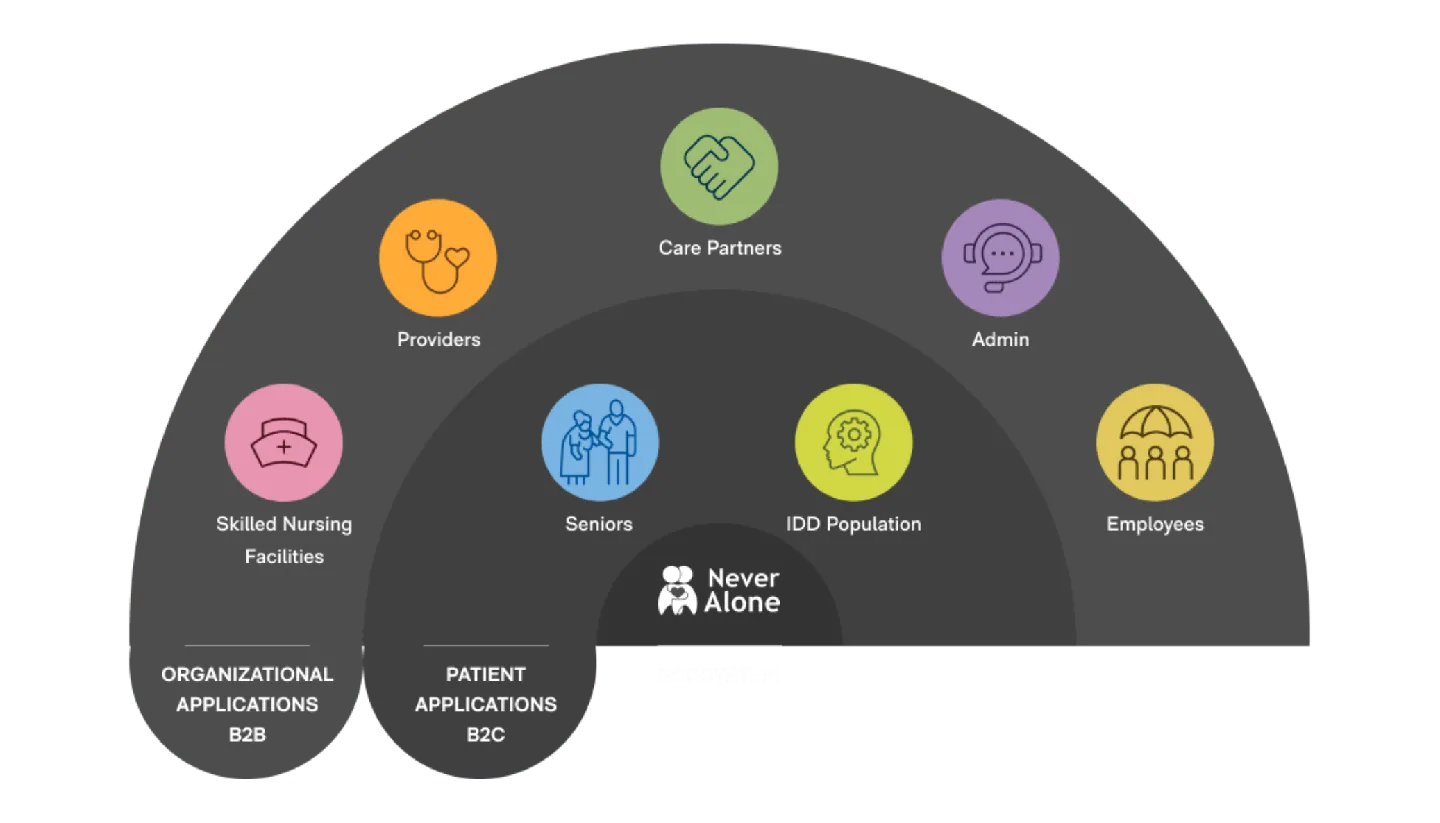
NeverAlone began in March 2021 as a 90-day MVP: a one-touch tablet for independent-living seniors, with no app to download, no username and no password. A resident, a family caregiver or a staff member presses it and a provider answers. Today it supports 30,000 patients across six states, handles more than 100,000 calls a year on 750+ devices, and 96% of those patients are treated in place.
It grew one population at a time. A $2.8M state grant funded its expansion into care for adults with intellectual and developmental disabilities, and we supported that grant from proposal through delivery. Home health, hospice and behavioral health followed.
Five years of running it taught us what decides whether a program like this works: provider licensure state by state, escalation and hand-off, documentation that survives an audit, and rollout across sites with uneven connectivity. Read the NeverAlone case study.
Patients across six states
Calls a year, on 750+ devices
Treated in place
From one button press to a licensed provider
What problems are rural and community providers trying to solve?
The rural hospitals, health centers and community programs we talk to bring some version of these six. Most are about access and staffing before they're about software.
One front door patients can find
A different app or portal for each service line, and patients who can't keep them straight. Leaders can't either.
Patients without smartphones or data
Older patients, people on limited data plans and people who never use a portal. The system has to work for them first, and it can't go down.
Too many systems, no engineering bench
Several EHRs and point tools, most with an API, and nobody on staff to connect them.
Grant money on a clock
Awards and subawards with obligation dates, a scope written as outcomes, and no one to turn those outcomes into working software.
Keeping it running after the grant
A platform the organization can afford to own and operate once the funding stops, with the revenue to support it.
Community data in separate places
Partner programs, social needs data and outcomes held by different groups in different formats, so nobody can show the impact.
Can Rural Health Transformation Program money pay for this?
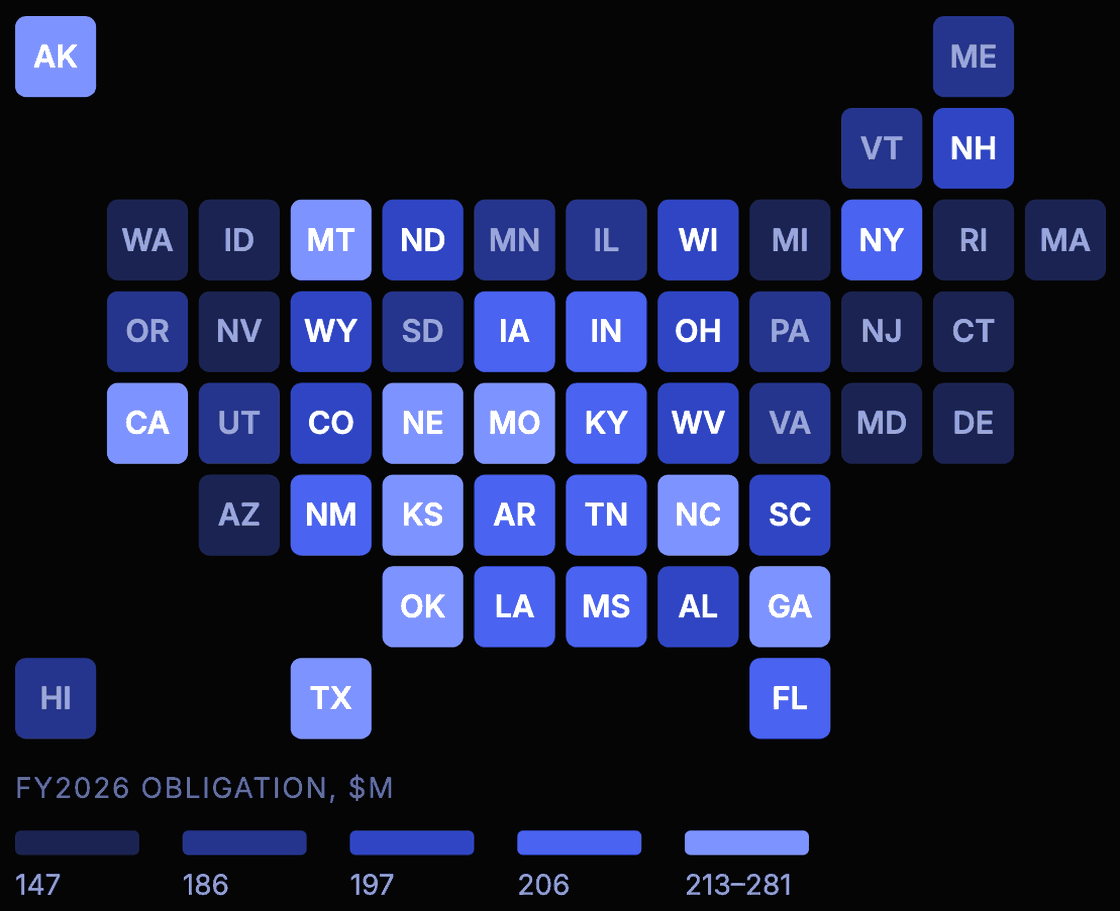
Often, yes. All 50 states hold an award, $10 billion is obligated for FY2026, and every state committed to technology outcomes that someone now has to deliver. Digital Scientists is a technology partner for awardees.
CMS lists eleven approved uses of funds. Consumer technology solutions, training and technical assistance, and IT advances are three of them, so planning, architecture and training work usually has a home. Your state's terms decide what your award covers, and we map each piece of work to an approved use before it starts.
States holding an RHTP award
Obligated for FY2026
Approved uses of funds, set by CMS
Program ends and funding stops
Hold an award or subaward
Hospitals, health centers and EMS agencies with funds to spend and no engineering team. We map each piece of work to an approved use, then build and run it.
Buy for many awardees
State offices of rural health, hospital associations and HIEs buying once for many small sites. One platform, configured per site.
Writing next year's application
The technical section, architecture and budget, drafted with the people who will build it.
Where do rural and community providers usually start with us?
With one paid, time-boxed step that ends in a decision you can act on. For most, that's a Blueprint: a shared scope, an architecture, user stories and a milestone budget, built with your staff in the room.
We pull the riskiest piece forward. In rural care that's usually the connection to an EHR, the device patients will actually use, or the provider network behind a virtual visit. We prove it in the first weeks so the build doesn't depend on a guess.
If you hold an RHTP award and the clock matters most, a readiness review comes first. You own everything each step produces.
Common starting points for rural and community providers
| What's going on | Common first step | What comes next |
|---|---|---|
| You hold an RHTP award or subaward and a scope to deliver, with no engineering team | RHTP readiness review, then a working session on the scope | A Blueprint and a delivery plan matched to your award's dates |
| Patients juggle an app or portal for every service line | Blueprint: map the patient journey across services and test a prototype with patients and staff | One front door, launched as an MVP and extended from there |
| You want virtual visits or treat in place at your sites | Blueprint that proves the device, the provider network and escalation first | A pilot at a few sites, measured, then rolled out |
| You buy on behalf of many hospitals or clinics | Blueprint for one multi-tenant platform, scoped with a few member organizations | One platform, funded once, configured and reported per organization |
| Community partners, programs and outcomes data are scattered | Alignment workshop and a build, buy or partner review | A partnerships platform or data hub, like the one we built for Duke |
These are common starting points, not rules. Many organizations combine them or change course, and the first conversation is where we work out the right one. Blueprints run 4 to 6 weeks. See all ways to start.
What do you build, connect and run for rural and community providers?
The patient-facing tools, the connections underneath and the operations after launch. We integrate with any system that has an API, a standard interface or a reliable export.
One front door for patients
A single app or portal across service lines, built for people who don't use portals today. See patient portals and digital front door and healthcare app development.
Virtual care and treat in place
Video visits on AWS Chime, managed tablets, provider routing and escalation, and the documentation behind each call. See telemedicine app development.
Connections to the systems you run
EHRs, labs and state exchanges, with patient matching across records. PointClickCare and Netsmart (GEHRIMED) data run in production today. See healthcare integrations and EHR integrations.
Community data and partnership platforms
Public and program data brought into one place, mapped and matched to the people who can act on it. See healthcare data engineering.
Hours back for a thin clinical team
Ambient notes and back-office automation. HealthContext cut note time from 45 minutes to 5. See ambient scribes and back-office agents.
Running it after launch
L2 and L3 support for platforms we built, alongside your IT provider or MSP, or a build-operate-transfer handover to your own team. See platform operations.
Do you work with community programs and public health, not only clinics?
Yes. Two examples: a community partnerships platform for Duke, and a custom EHR for Fathers' UpLift, a community program serving fathers.
Duke's partner data sat in different places and formats across the university and health system, so nobody could show what its community work added up to. We ran an alignment workshop, a build, buy or partner review and a solution architecture, then built a platform that maps community initiatives against social determinants of health data from the Census and other public sources. It matches organizations and people to programs, events and volunteer work, and it gives grant managers and grant seekers one portal. See the Duke SDOH research platform case study.
Fathers' UpLift is a Boston organization that has served more than 16,000 fathers since 2011, pairing licensed clinicians with trained coaches. Their tools were built for a medical office. We went from Blueprint to a working custom EHR in eight weeks, with notes, caseloads, charge capture synced to their billing system and video sessions in one place. See the custom EHR case study.
Mapping, partner matching and grant management for Duke
Fathers served by Fathers' UpLift since 2011
Fathers' UpLift, Blueprint to custom EHR
Work for rural and community care
NeverAlone · CommuniCare
96% treated in place
A 24/7 virtual care platform that began as a 90-day MVP and now supports 30,000 patients across six states, including adults with IDD through a $2.8M state-funded expansion. We still run it.
See the work
Duke
Community partnerships in one platform
An interactive SDOH map, partner matching and a grant management portal that bring Duke's community partnership data into one place.
See the work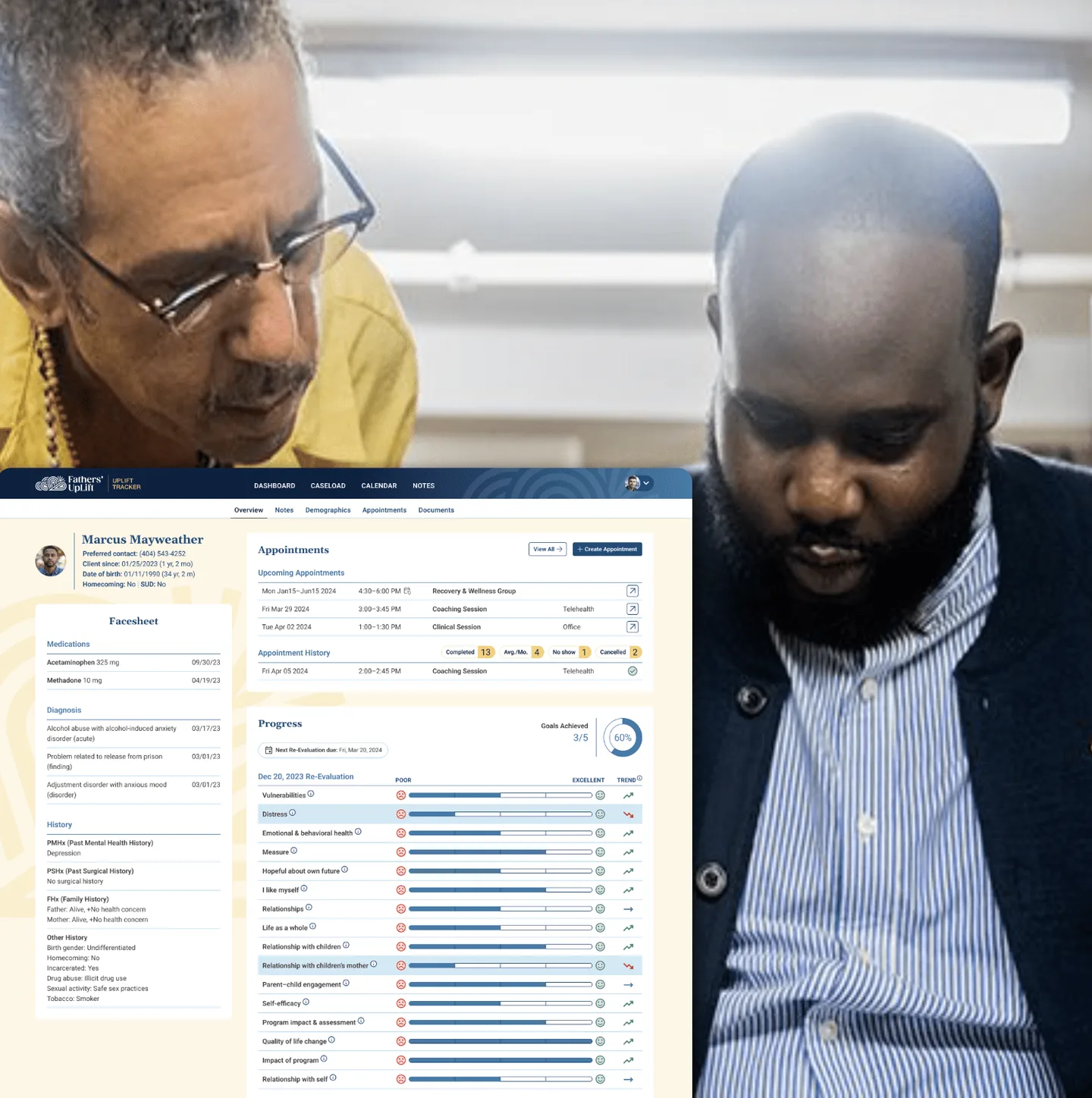
Fathers' UpLift
8 weeks to a custom EHR
A Blueprint and MVP for a community program serving fathers: notes, caseloads, charge capture and video sessions in one hub.
See the workTrusted by healthcare leaders.
“Thank you to the Digital Scientists team, this has been a long time coming! We finally have something that will be useful for our team so I want to take this opportunity to thank you for your hard work and your diligence. You took an idea and made it come to life!”
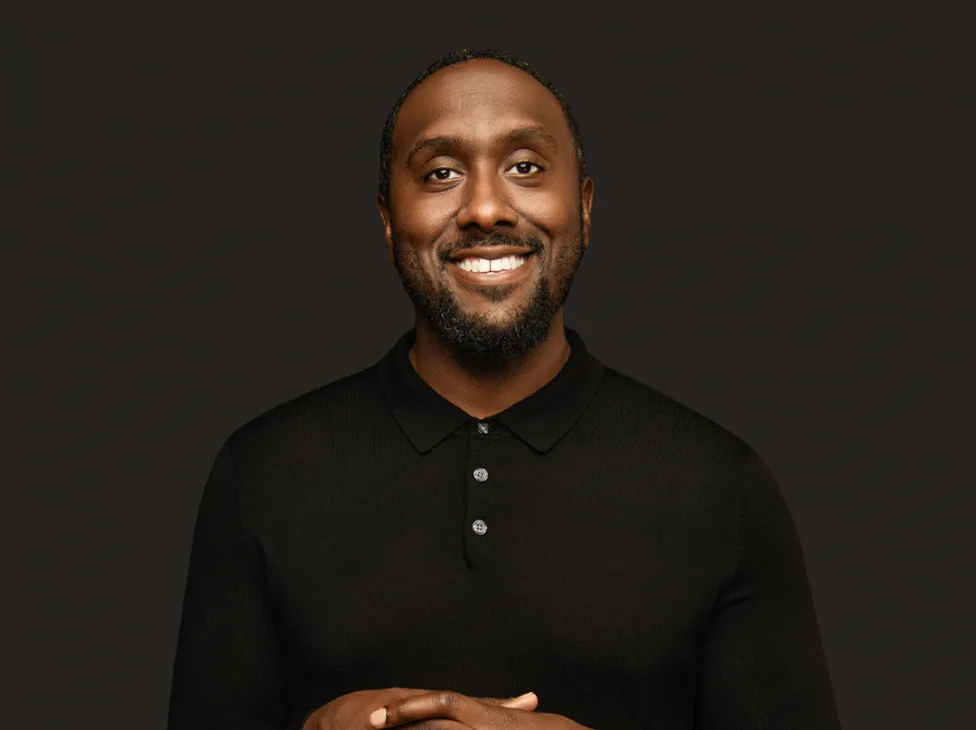
Dr. Charles Clayton Daniels Jr.
CEO & Founder, Fathers' UpLift
“I have worked with many technology teams during my career, and Digital Scientists is one of the best. They take the time to understand the customers' needs, deliver innovative solutions, are always professional, and work with your team as a true partner to achieve success.”

Amy Severino
Chief Innovation Officer, NeverAlone
Related pages for rural and community providers
Rural Health Transformation Program
How the program works, who does what, and what we build for awardees.
Rural Health Transformation Program →Telemedicine app development
Virtual visits and treat in place, built and run in production.
Telemedicine app development →Patient portals and digital front door
One front door across service lines.
Patient portals and digital front door →Behavioral health and SUD
Software for therapy, mental health and substance use treatment providers.
Behavioral health and SUD →Post-acute and senior care
Where NeverAlone started, and the care settings it grew into.
Post-acute and senior care →Healthcare software development
Everything we design, build, integrate and run in healthcare.
Healthcare software development →
Questions rural and community providers ask
Can grant funds cover this?
Often, yes, but your award terms decide. Rural Health Transformation Program funds have eleven approved uses set by CMS, including consumer technology solutions, training and technical assistance, and IT advances, so planning, architecture and training usually have a home. We map each piece of work to an approved use before it starts, and we supported the $2.8M state grant that funded NeverAlone's expansion into IDD care from proposal through delivery. See our Rural Health Transformation Program page.
Can patients without smartphones use it?
Yes. NeverAlone patients use a one-touch tablet with no app to download, no username and no password. A resident, a caregiver or a staff member presses one button and reaches a licensed provider by video in under three minutes. We manage the tablets centrally, so nobody on site has to set them up or update them.
Do you build software for FQHCs and community health centers?
Yes. Health centers bring us the same problems as rural hospitals: patients juggling several apps, a handful of EHRs and point tools, and no engineers on staff. We build the front door, the virtual care and the connections underneath. We integrate with any system that has an API, a standard interface or a reliable export.
Can one platform serve several hospitals or clinics?
Yes. We build multi-tenant platforms: one solution, funded once, with each organization keeping its own data, configuration and reporting. NeverAlone runs this way, and facilities outside the original network license it today. A state office, hospital association or health information exchange is usually the right sponsor.
We don't have an IT team. Who runs it after launch?
We do, or your team does. Digital Scientists provides L2 and L3 support for platforms we built and works alongside your IT provider or MSP. When you're ready to own it, we hand it over on a build-operate-transfer plan. You own the code either way.
What happens when the grant money stops?
You keep what was built, and it has to pay its own way. We plan for that in the Blueprint: what it costs to run each year, who runs it, and what revenue or savings support it. Read what happens when the RHTP money stops.
Talk it over
Tell us what you are trying to do. A senior person from our Atlanta team replies within one business day, and you can book a 30-minute call right after you send this.
- We tell you if we're the right fit, and if we're not, who is.
- Most work starts small, so you see how we work before you commit to more.
- We sign a BAA before we touch patient data.