
“We have a product opportunity, but not the team to build it.”
How do we get from an idea or market opportunity to a real product without spending months assembling the organization first?
A product team, ready now.
Talk it over



How this problem shows up
- A market opportunity exists, but no team is free to pursue it.
- A customer, executive, or business unit is asking for something that does not exist yet.
- A prototype or concept exists, but nobody has priced what production will really require.
- The opportunity is moving faster than the hiring cycle.
- Demand feels plausible, but the riskiest assumptions are still untested.
- The organization is reluctant to build a permanent team before the opportunity is proven.
- The market window may close while ownership, architecture, compliance, or staffing gets sorted out.
- Time to first customer
- Time to first revenue
- Cost before market validation
- Capital committed before the business case is proven
- Ability to enter a market while the window is open
- Opportunity cost of waiting for internal capacity
- Probability of funding the wrong product or business model
The risk is not just that the product takes too long to build. It is that the company spends too much before proving the opportunity, or waits long enough for the opportunity to disappear.
What usually makes the opportunity harder than it looked
A prototype proves the idea can work. Production is the eighty percent nobody demoed, and it fails in three predictable places.
The data was curated
It cannot pass the review
Nobody owns it
“What if we build, but we don’t have to go hire everybody?”
Healthcare technology advisor
Price the hard part first, not the demo again
It stalled because nobody put a number on production. That is the first thing we do.
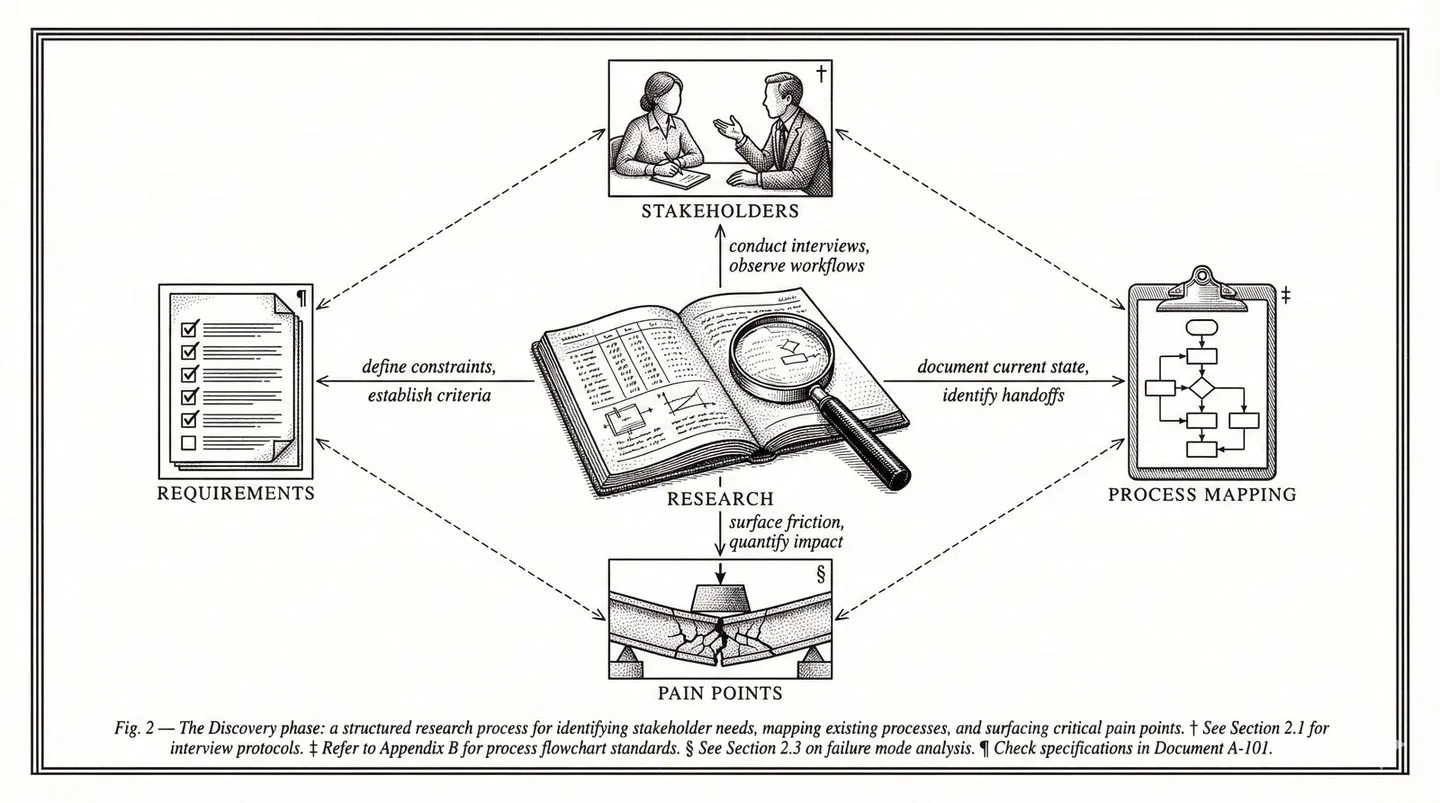
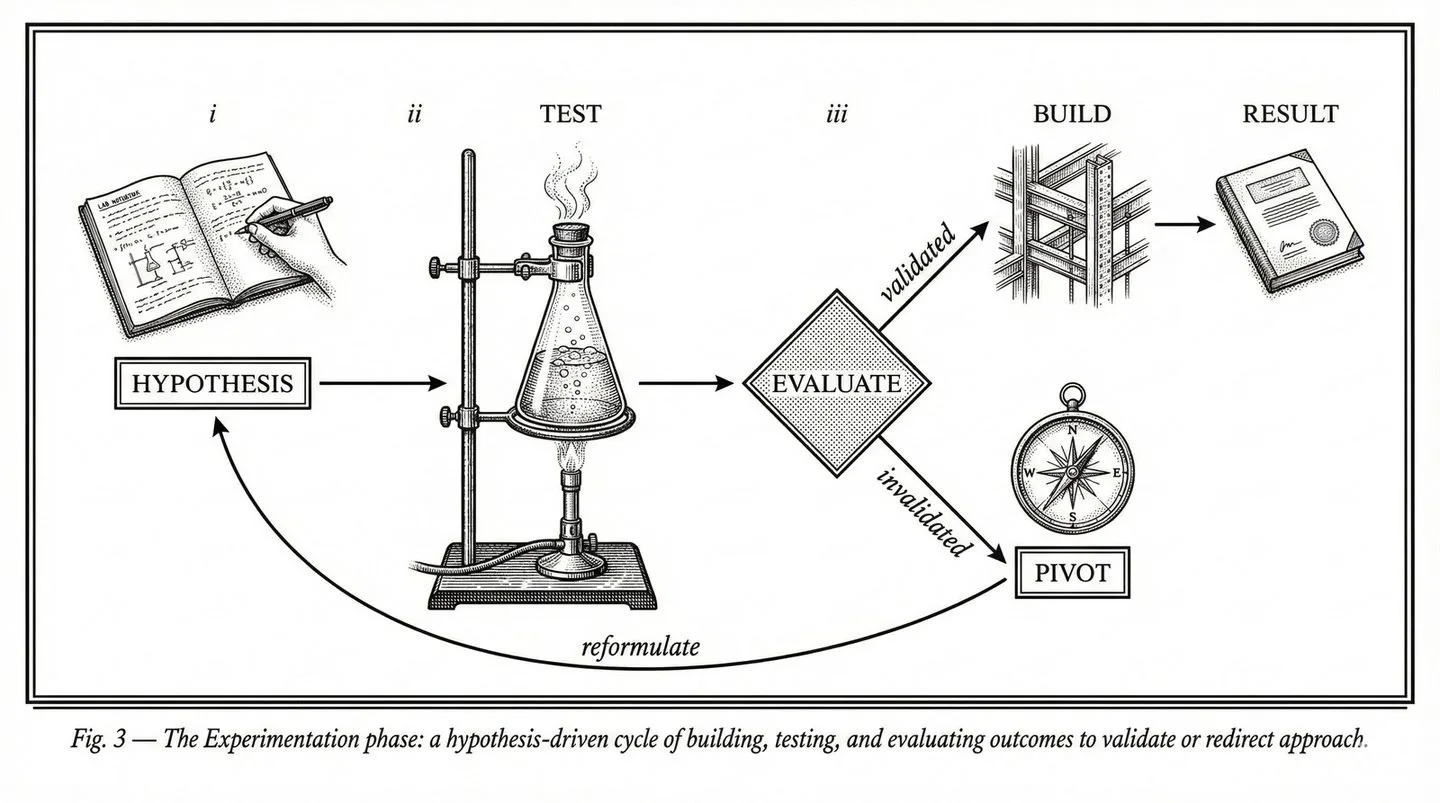
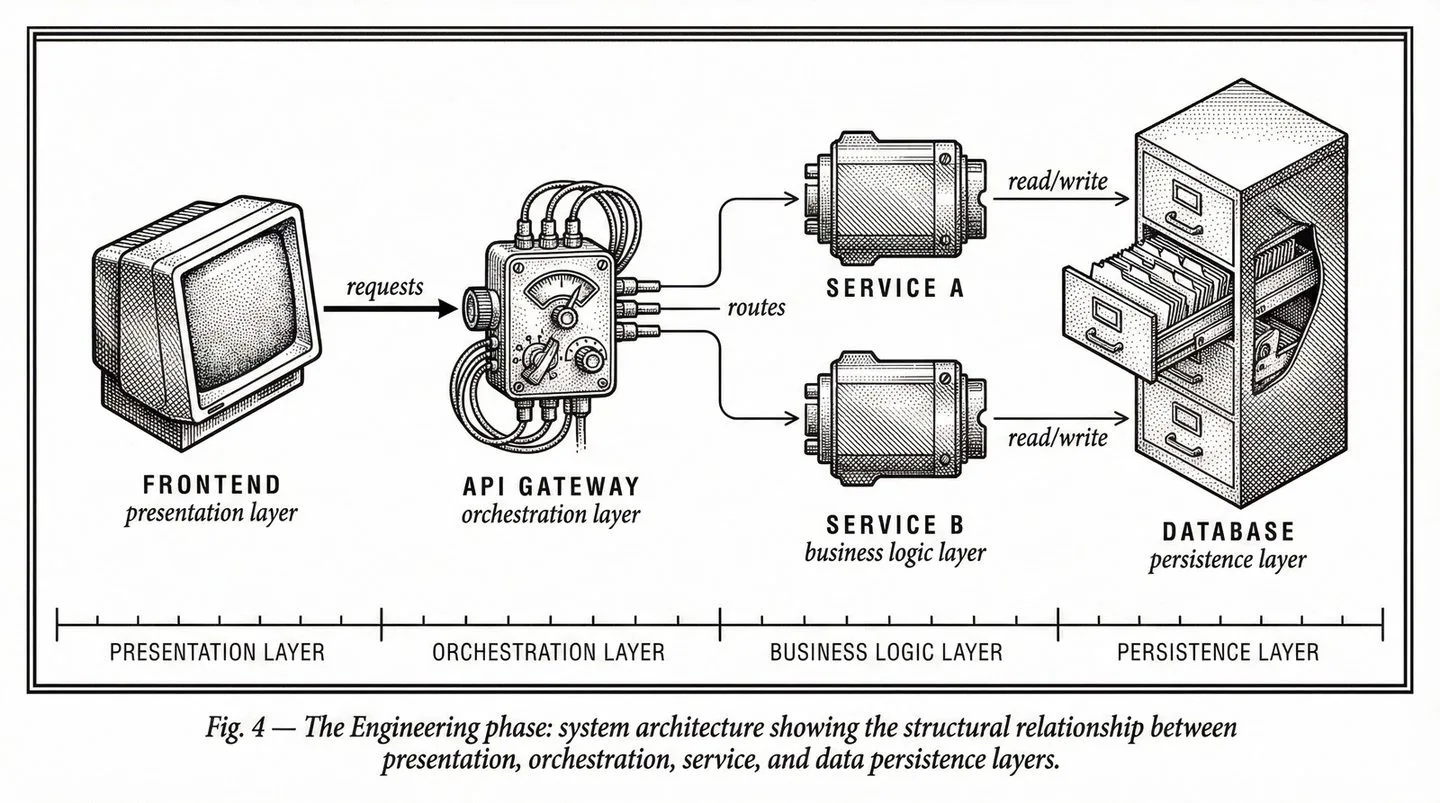
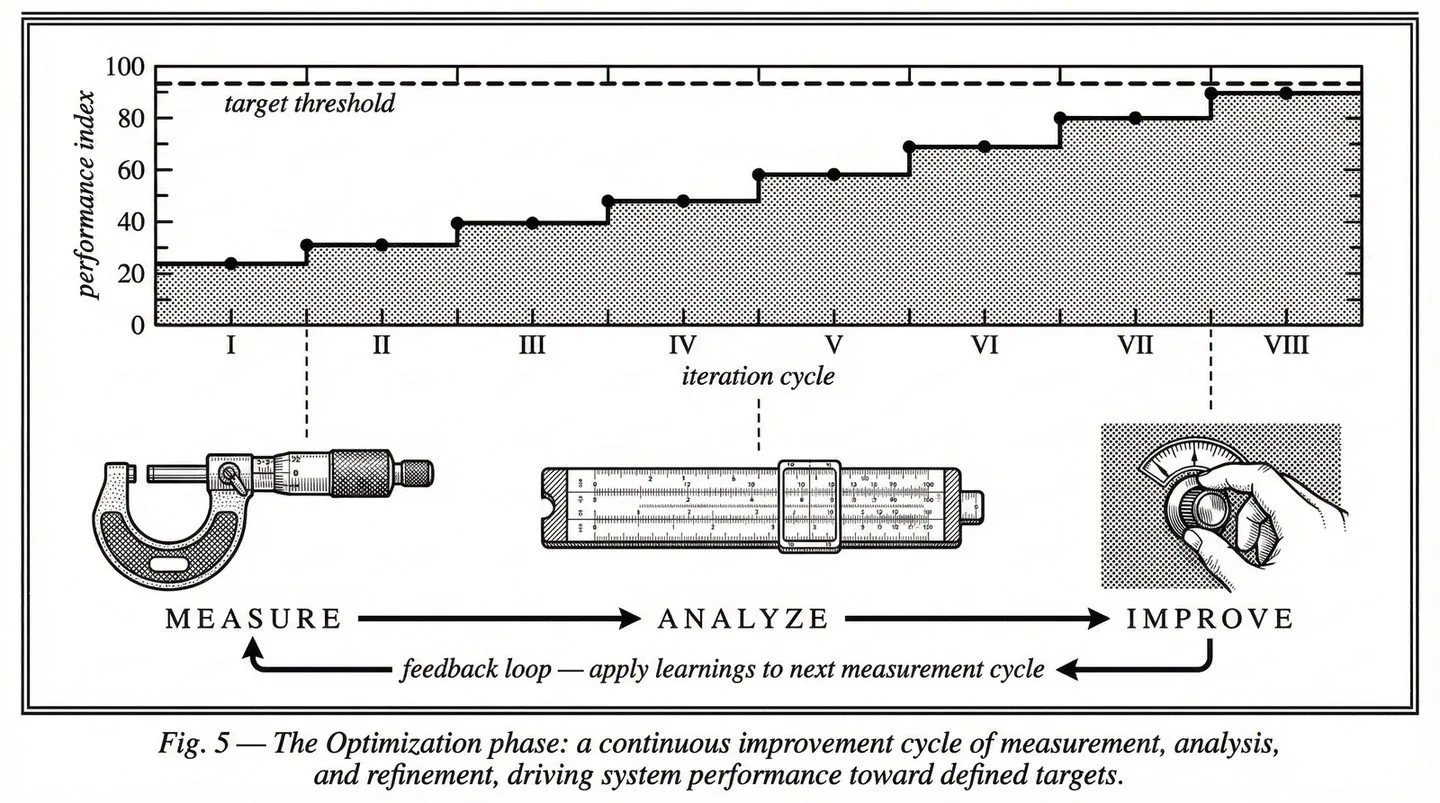
A prototype isn’t a smaller version of the product. It’s a different object. It can demo forever on synthetic data.
Start with a Blueprint
Code is easy now. Knowing what to build isn’t. The Blueprint answers the hard questions before anyone writes a line of production code.
Bring what you have
A prototype, specs, a pitch deck, market research, or just an idea. We find the gaps and produce the version a production team can build from.
The business, not just the product
Positioning, competitors, pricing, and distribution, so you build a business that scales, not just software that runs.
Built for production
Architecture, integrations, compliance, and security designed for where you’re going, not rebuilt after the demo.
Yours to keep
Everything we produce is yours. The IP, the research, and the plan.
In one to four weeks you walk away with a plan you can fund, build, and defend: research that validates demand, the architecture mapped, and a development plan with milestones and a budget based on evidence.
We recommend two weeks: deeper research, the architecture decisions, and a budget your board or investors can approve. One week is the bare minimum, for when you arrive with a spec: limited user interviews, a shared solution architecture, and a budget range with the gaps named. It is not a fit for a large ecosystem or anything that needs real user validation. Four weeks adds a working prototype tested by real users.
If one risky assumption needs proving first, The Experiment gets you a working prototype in five days.
Not sure which fits? Call us to talk it over.
Work like this
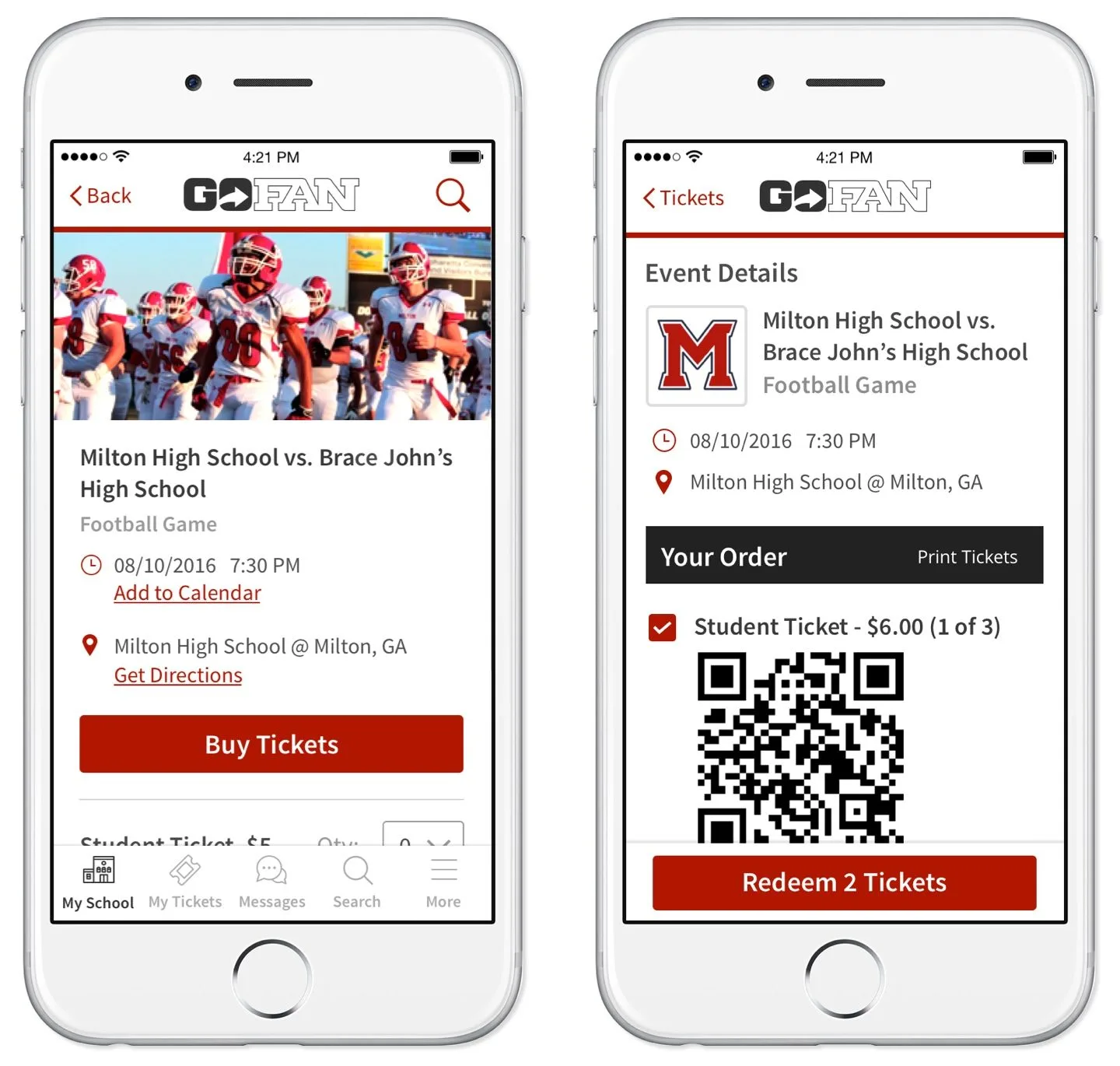
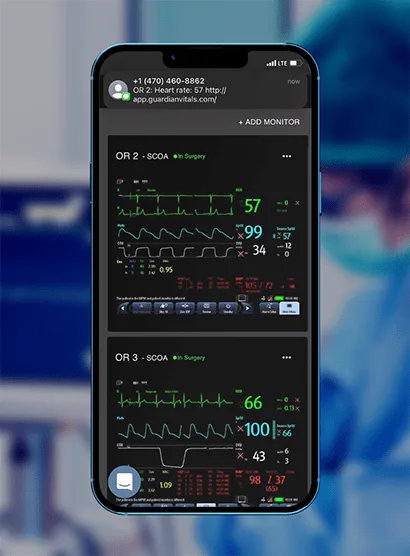
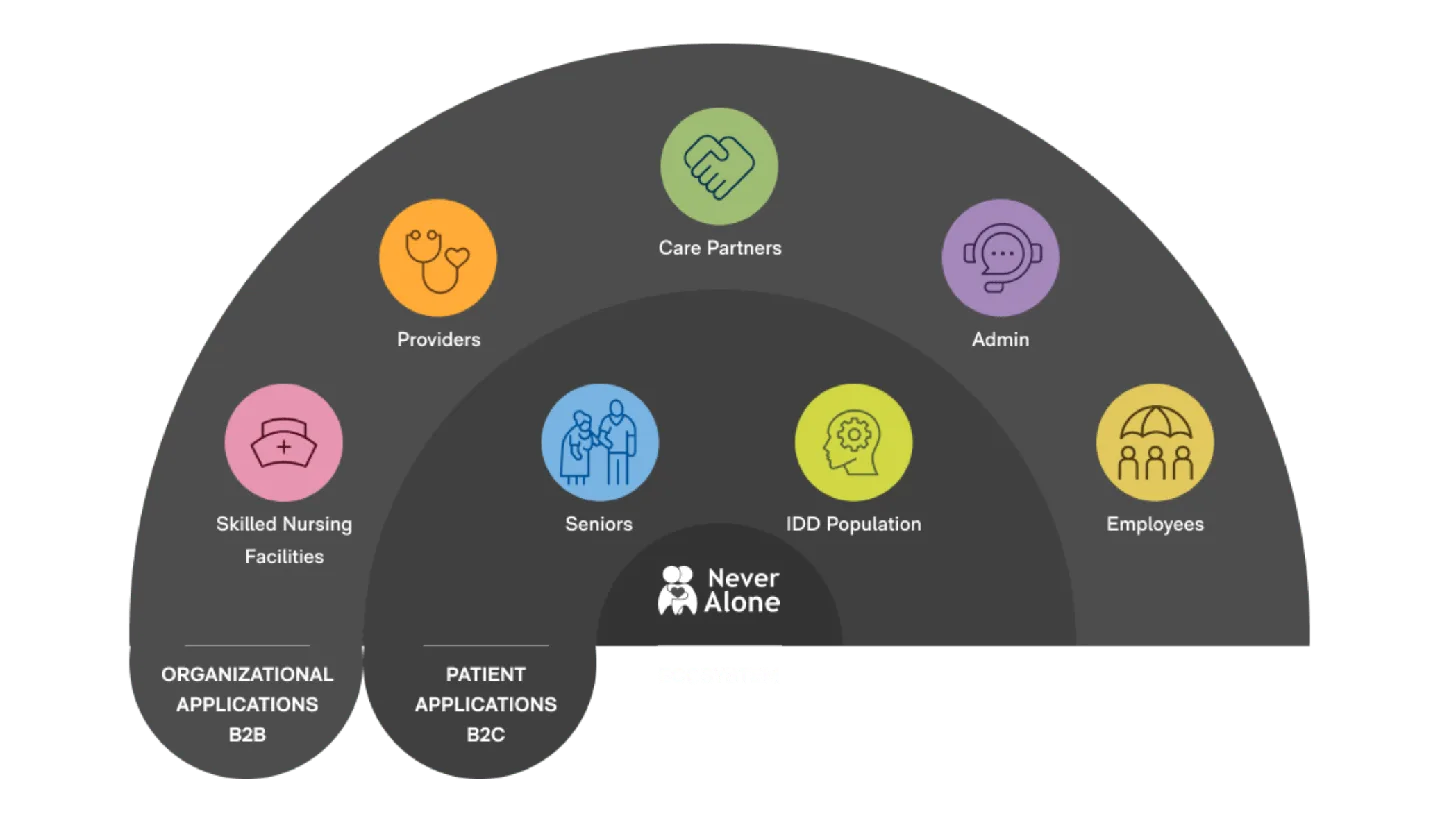
Questions buyers ask
Should we hire a CTO first or use a product development partner?
Not before you know what the product is. One hire is not a product team, and your first technical hire is easier to get right once the product is defined. We stand in as the product team (research, design, architecture and engineering) while you prove the opportunity. You own the code and IP, and when you take it in-house, we help you hire and hand over.
How a Full Build works →Why do quotes to build our software product vary so much?
Because each firm priced a different product. A spec, especially one drafted with an AI tool, reads complete before it is. It doesn’t settle what goes in version one, what to buy versus build, or what compliance will demand, and a fixed bid on those gaps comes back as change orders. A Blueprint settles them first and gives you a budget range you can defend.
How the Blueprint works →What should the first version (MVP) of a new product include?
An MVP is a market test, not a smaller product. Build only what tests the assumption that sinks the business if it’s wrong, and put it in front of buyers who would pay. Compliance your market requires goes in version one. It’s not a later feature. Most MVPs take 4 to 16 weeks.
How we build an MVP →Can we build the real product on top of our prototype?
Use it as the brief, not the foundation. A prototype shows what you want the product to do. It doesn’t carry the workflows, data model and constraints the real product runs on. Bring it, with your specs or deck, to a Blueprint, and we turn it into the version a production team can build from.
Bring what you have to a Blueprint →Tell us what you want to build
Thirty minutes. Walk us through the opportunity and who you have to build it, and we will tell you what we think is hard about it.
Five other problems we solve
02 · Roadmap Capacity
“Our roadmap is committed. Our team is full.”
Explore Roadmap Capacity →
03 · Platform Modernization
“Our business has outgrown our platform.”
Explore Platform Modernization →
04 · Cost of Operations
“We need to do more work at a lower cost.”
Explore Cost of Operations →
05 · Product Competitiveness
“We’re losing customers and deals we should be winning.”
Explore Product Competitiveness →
06 · Innovation / R&D
“How do we build what’s next while delivering what matters now?”
Explore Innovation & R&D →
Or start from all six.