
“Our prototype works. Now it has to hold up in production.”
How do we move an AI prototype into production without starting over?
Build it to run, not to demo.
Talk it over





A prototype that never shipped
The demo works. Production is the eighty percent nobody demoed.
How this problem shows up
- The demo impressed the room, and nothing has shipped since.
- It ran on a clean sample or an export, not a live connection to your data.
- Accuracy drops the moment it meets real records.
- The security review keeps coming back with the same list.
- It touches customer, payment, or health data, with no audit trail or access model.
- It has a sponsor, but nobody owns it or is on call for it.
- The people who built it have moved on.
- It was built fast with AI coding tools, and nobody can say how the code holds together.
- The budget, which was approved for a pilot
- Executive and board confidence in AI
- Deals lost on the security questionnaire
- Security and compliance exposure
- The models and SDKs it depends on, which keep moving
- The problem it was built to fix, which still costs what it did
A prototype does not sit still while you decide. Models, SDKs, and vendor terms move, and the people who know why it works move on.
You lose on the security questionnaire, not on the product.
Build it to run, not to demo
It stalled because nobody put a number on production. That is the first thing we do.
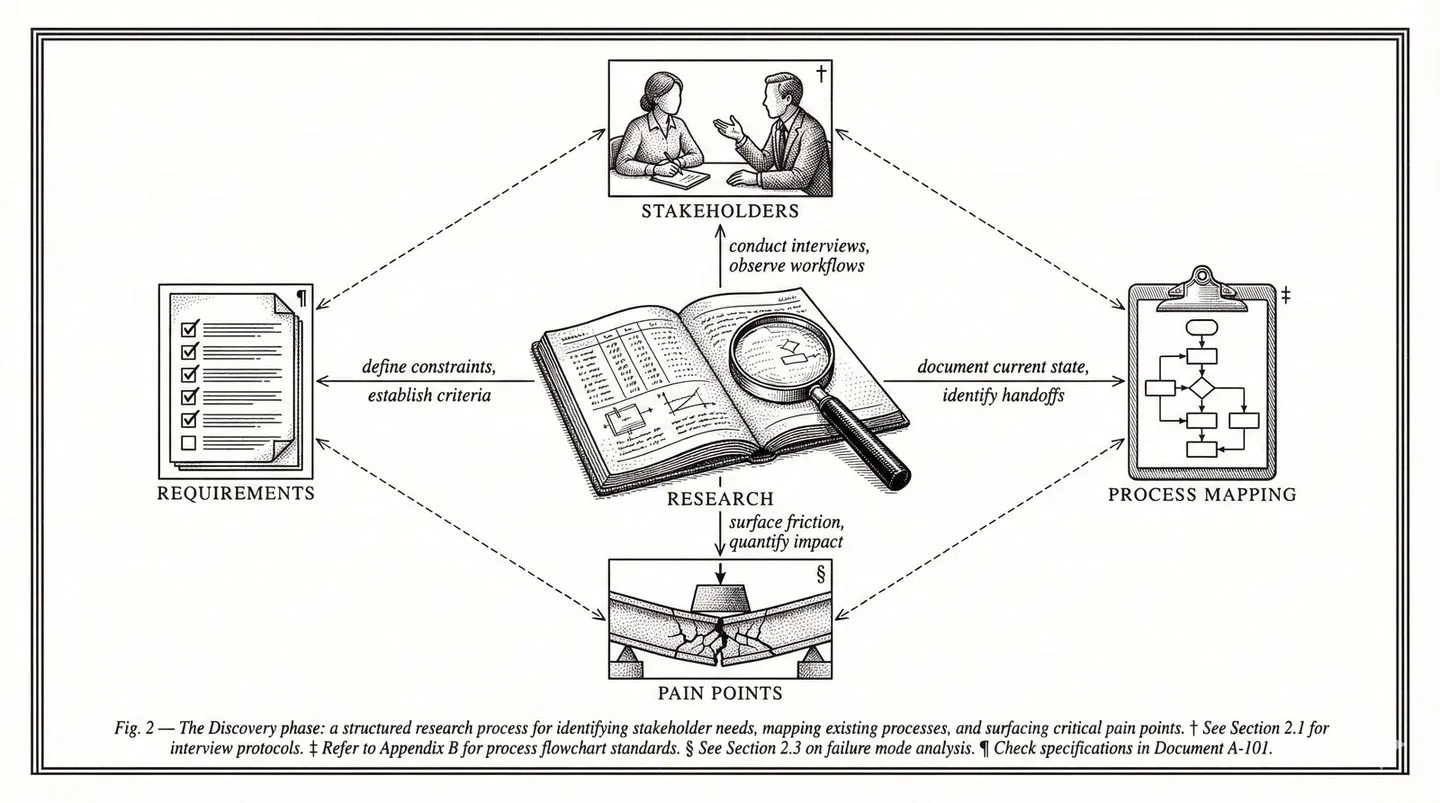
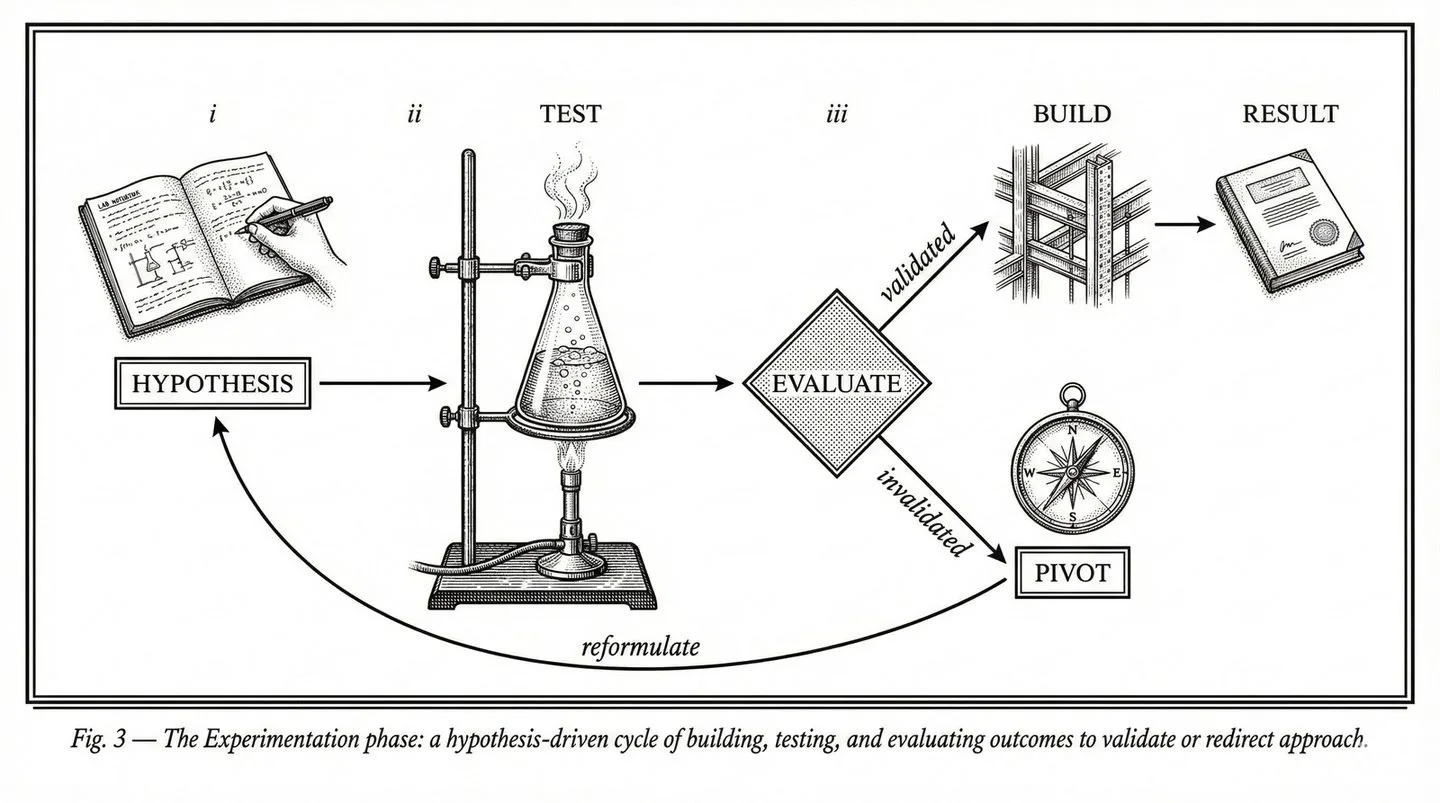
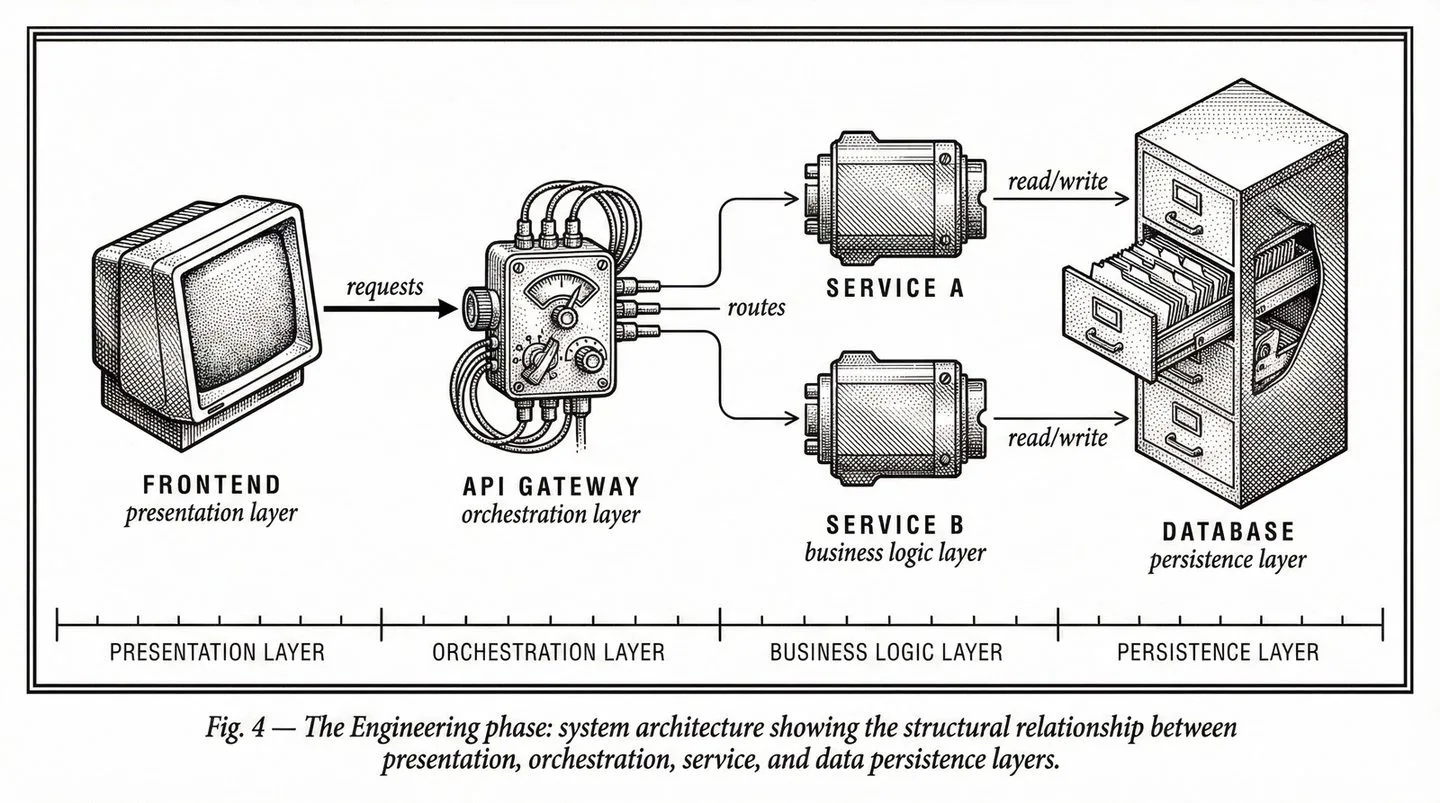
The full method → · Watch the replay: why 95% of healthcare AI never ships →
Some prototypes should not go to production, and we will tell you which. Billing through a bet that has already failed costs you more than ending it.
Two ways to start
Plan first when it isn’t clear the prototype should ship, or what production will cost. Start building when the prototype has proved the idea and the next job is making it run.
Blueprint
Research with the people who decide, the architecture, and a development plan with milestones and a budget you can fund. Two or four weeks.
Build with Us
A solution architect who builds, on your first piece of work, alongside the person who owns the problem. Two weeks to start, then month to month.
Not sure which fits? Call us to talk it over.
Have a team and want senior engineers to review the plan? Technical Advisory →

Questions buyers ask
Why are AI prototypes so hard to move into production?
The model is rarely what stops it. Prototypes stall in three places: the data was curated, the product cannot pass a security review, and nobody owns it once it runs. Production is the eighty percent nobody demoed: live data, every path nobody tested, monitoring, on-call, and a named owner.
What the healthcare AI that reaches production decides first →
Should we rebuild the prototype or harden the one we have?
Usually rebuild the parts that carry the risk. A prototype is built to prove an idea, not to be secured, monitored, and changed for five years. Keep what it proved: the workflow, the prompts, the data it needs. Rewriting is usually cheaper than promoting.
The architecture risks to check before you build →
Our prototype was built with AI coding tools. Can it go to production?
Sometimes. Code generated in a weekend can work and still fail a security review: keys in the client, no access model, no tests, no audit trail. Senior engineers review it against what production demands and tell you what to keep and what to rebuild.
Have senior engineers review the prototype →
How do we know if a prototype should go to production at all?
Start with what the problem it was built to fix costs you today, then price production honestly. A demo that impressed the room is not evidence the thing is worth running for five years. We would rather end a bet that has already failed than bill you through it.
How to put a number on the return →Tell us what you built and where it stopped
Thirty minutes. Walk us through the prototype and what is in the way, and we will tell you what production will take.
Two other problems we solve
New Product
“We have a product opportunity, but not the team to build it.”
Explore New Product →
Platform Modernization
“Our business has outgrown our platform.”
Explore Platform Modernization →
Or see every problem we hear.