
“Our business has outgrown our platform.”
How do we modernize the systems the business depends on without putting the business on hold?
Modernize while you operate.
Talk it over





A platform you’ve outgrown
The software still works. Running the business on it gets harder every quarter.
How this problem shows up
- Small changes take longer and cost more than they should.
- Releases are fragile and require too much coordination.
- Engineers spend increasing time keeping the system alive.
- Employees use spreadsheets, manual re-keying, or workarounds to bridge system gaps.
- One or two people know how critical parts of the platform really work.
- New integrations take months.
- Acquisitions have left the company supporting multiple platforms or overlapping systems.
- AI, analytics, or automation projects stall because the underlying data and architecture cannot support them.
- Cost to maintain the platform
- Product delivery speed
- Reliability and support load
- Customer experience and retention
- Ability to integrate acquisitions
- Security and compliance exposure
- Infrastructure and licensing cost
- Ability to launch new capabilities
- Margin
Modernization becomes a business issue when the platform starts deciding how fast the company can change, what it costs to operate, and what customers can be promised.
“It’s like owning a 200-year-old home. You’re like, what are these knobs?”
Executive, enterprise software company
Modernize while you operate
Not every old component needs a rewrite. The work is deciding what to keep, connect, replace, or retire, and in what order.
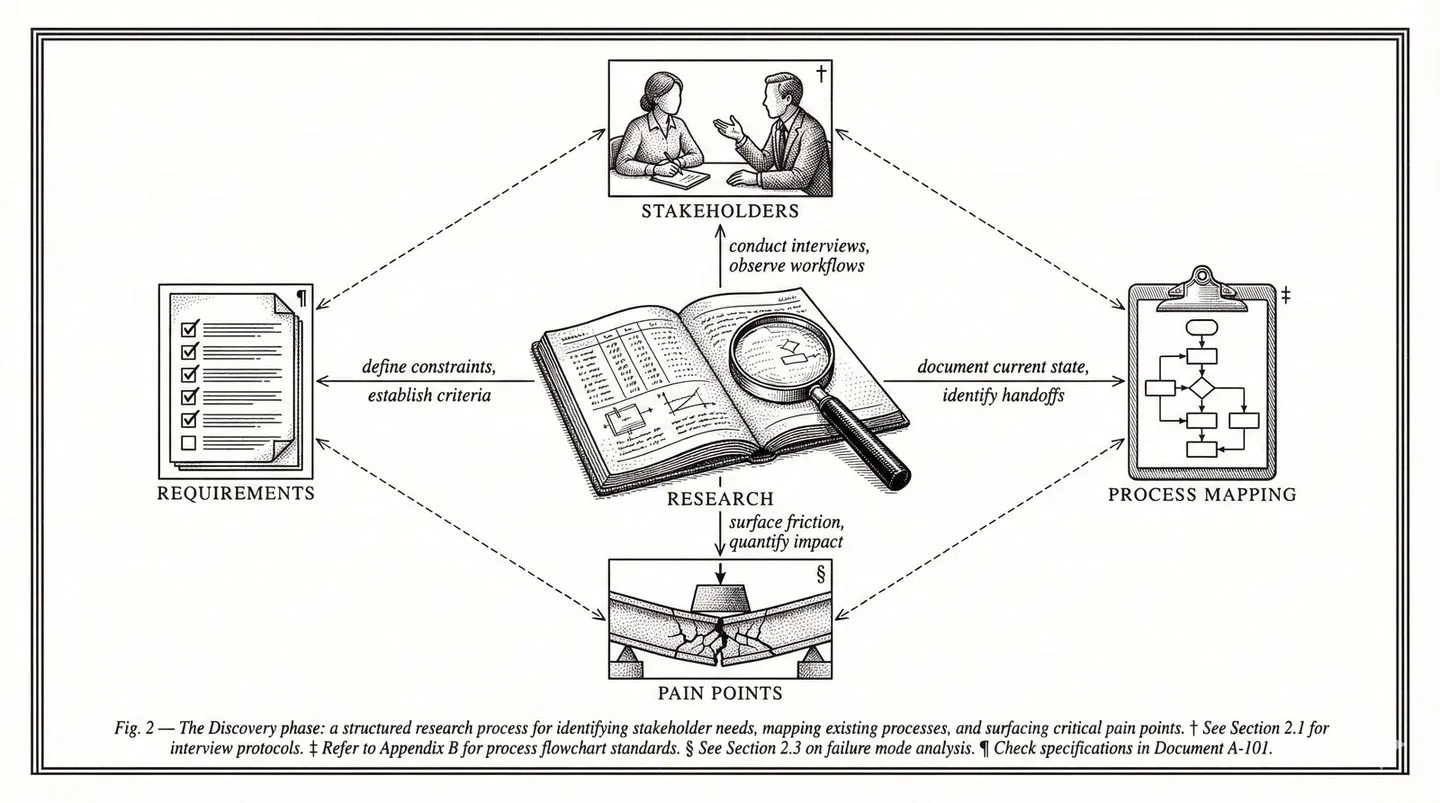
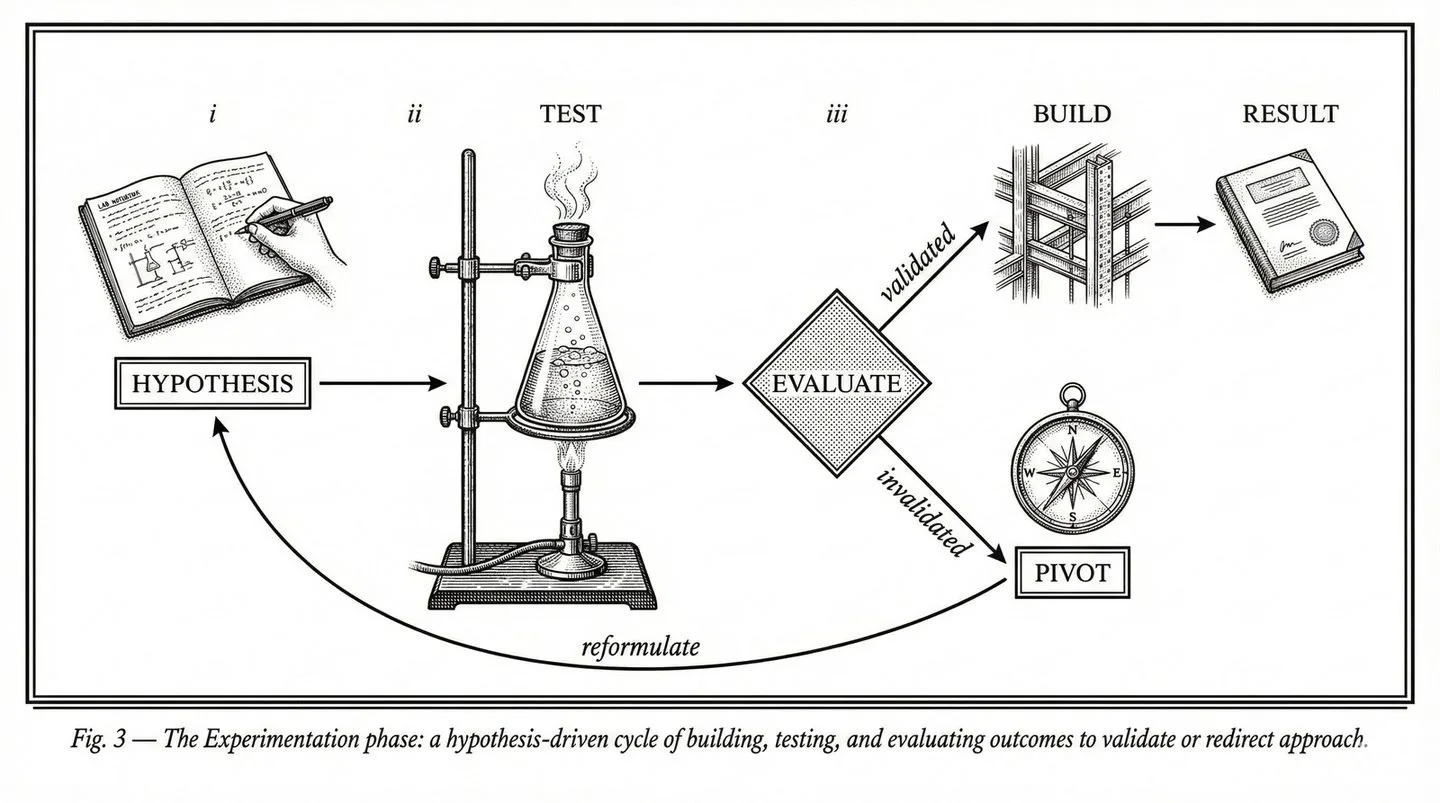
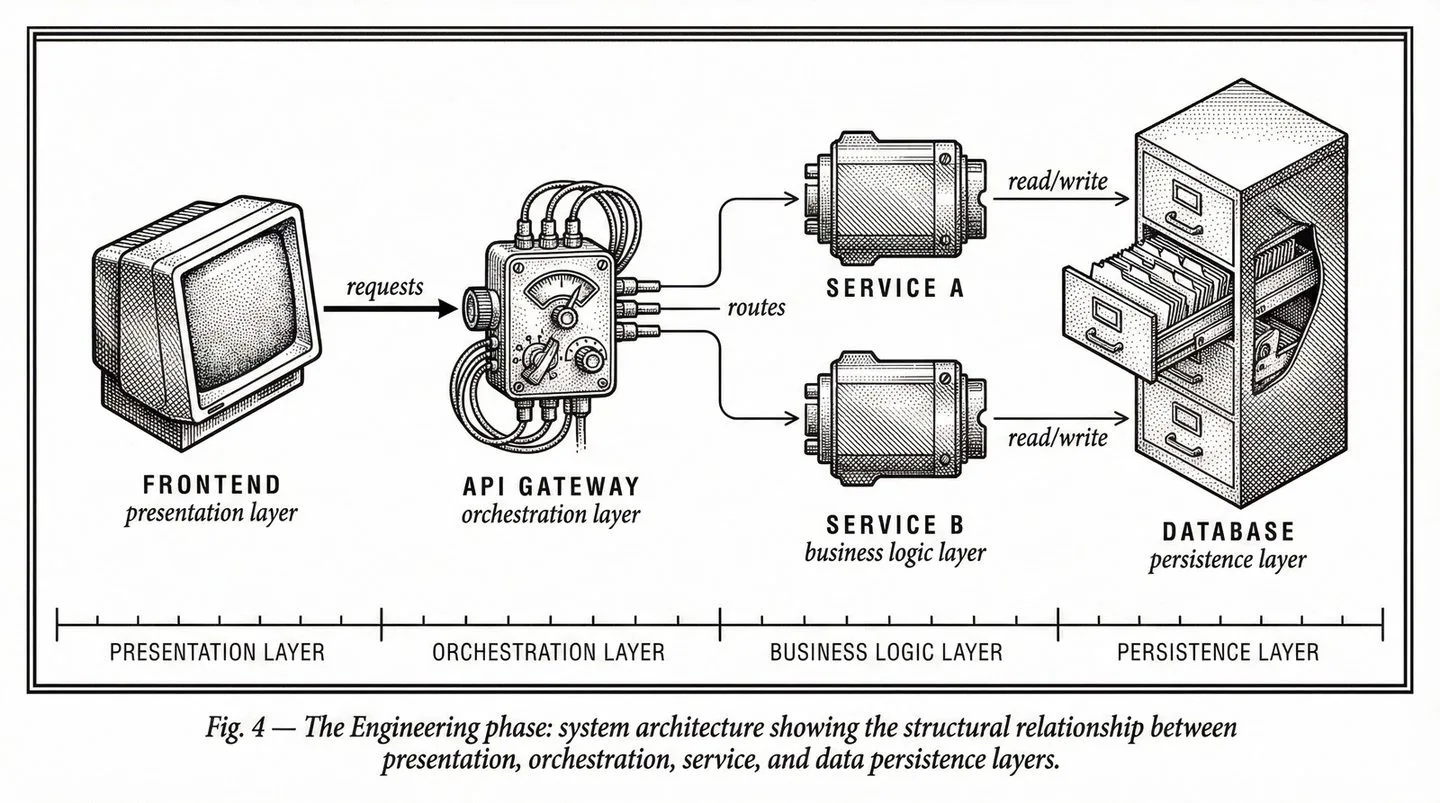
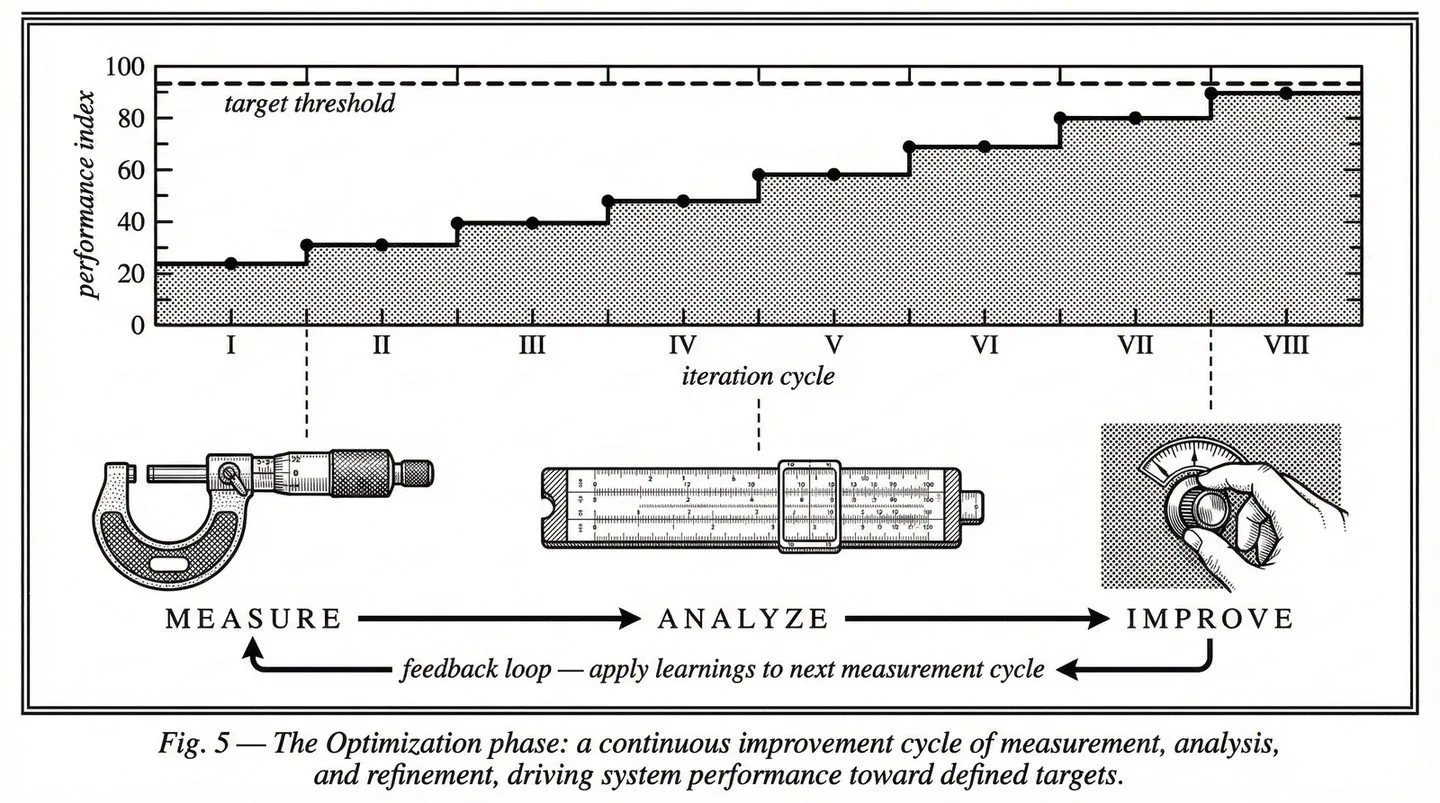
The full method → · The technical detail: how we modernize a platform →
Plan the sunset as carefully as the rollout. Users forgive a new look. They don’t forgive losing a workflow they depend on.
Start with Technical Advisory
You have a team. Before a rewrite, a migration, or a replatform, have senior engineers who have done it before review the architecture and the plan.
Architecture review
Your architecture, data models, APIs, and scalability, with the risks named before they get expensive.
Technology selection
Vendor-agnostic recommendations on frameworks, cloud, databases, and tooling. No partnerships to protect.
Code and process audit
Code quality, testing, CI/CD, and workflows, with recommendations your team can act on now.
Ongoing office hours
Weekly or biweekly sessions with your engineering leads, and access to our engineers between them.
It starts with a one-week assessment of your architecture, codebase, and practices, with prioritized recommendations. Then your team keeps building, with a senior engineer on call.
If leadership needs a business case for what to modernize first, start with an Assessment.
Not sure which fits? Call us to talk it over.

Questions buyers ask
Should we rewrite our legacy platform from scratch or modernize it in pieces?
Not all at once. Full rewrites take several quarters, hinge on the two or three people who know the old system, and rebuild yesterday’s workflows on a new stack. Decide piece by piece what to keep, connect, replace, or retire, and prove the riskiest change first, usually the data or a key integration.
Have senior engineers review the plan before a rewrite →How do we move customers off an old platform without losing them?
Plan the sunset as carefully as the rollout. Customers tolerate a new look. They leave over a lost workflow, or over one module updated while two stay old. Move one product line or customer group first, run old and new side by side, and verify the outputs match before anyone switches.
See a rebuild checked against the legacy app step by step →Should we replace our platform with off-the-shelf software or build our own?
Decide by workflow, not by product. Where the workflow is standard, buy the service and keep renting it. Where the workflow is how you compete, prescriptive software starts driving your process, and the license bill never stops. Get the recommendation from engineers with no vendor partnerships to protect.
Vendor-agnostic technology selection →How do we get the board to fund modernizing a platform that still works?
Don’t pitch it as refactoring. Nobody funds that. Tie it to what the current system costs today: the spreadsheets and re-keying it forces, the licenses you’d retire, the growth it blocks. Then test whether the pain justifies the cost, and ask for the first phase, not the whole program.
Build the business case with a Modernization Assessment →Is your platform deciding what the business can do?
Thirty minutes. Walk us through where it creates friction, and we will tell you what we would keep, connect, or replace.
Five other problems we solve
01 · New Product
“We have a product opportunity, but not the team to build it.”
Explore New Product →
02 · Roadmap Capacity
“Our roadmap is committed. Our team is full.”
Explore Roadmap Capacity →
04 · Cost of Operations
“We need to do more work at a lower cost.”
Explore Cost of Operations →
05 · Product Competitiveness
“We’re losing customers and deals we should be winning.”
Explore Product Competitiveness →
06 · Innovation / R&D
“How do we build what’s next while delivering what matters now?”
Explore Innovation & R&D →
Or start from all six.