
Healthcare product development, from first Blueprint to a product in production
Digital Scientists takes digital health products from idea to production: a 4 to 6 week Blueprint that sets scope, architecture and budget, an MVP in 8 to 16 weeks, then the full build, with HIPAA, EHR integration and security diligence designed in from the start. NeverAlone began as a 90-day MVP with us and now supports 30,000 patients across six states. You own the code and the IP.
Updated
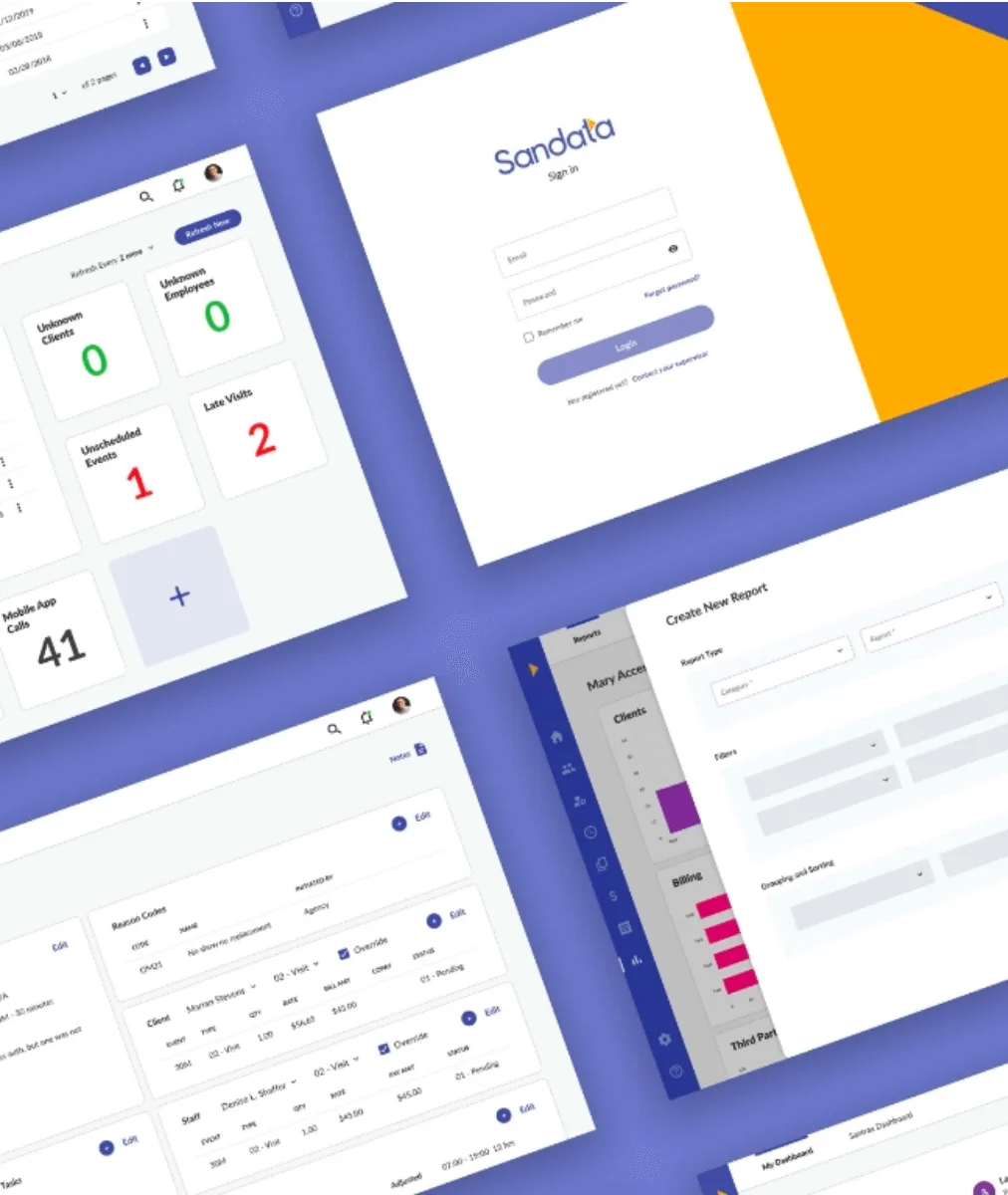
NeverAlone, MVP to pilot
Patients on NeverAlone today
Custom EHR, Blueprint + MVP
Guardian transcription accuracy





Where do healthcare products get stuck?
In the same four places: integrations, compliance, diligence and scope. Each one is cheaper to design for in week one than to fix after launch.
Integrations
Your product is only useful once it talks to the EHR, the pharmacy, the payer or the device. We've connected products to PointClickCare and Netsmart (GEHRIMED), including matching patients across EHRs, and we plan that work in the Blueprint, not the week before launch.
HIPAA and patient data
BAAs, access controls, audit trails and where PHI lives are architecture decisions. We sign a BAA before we touch patient data.
Security diligence
Health systems, payers and investors send long security questionnaires. We build so you can answer them.
Scope
Most first feature lists are about 60% wrong. The Blueprint and MVP exist to find out which 60% before you spend on it.
NeverAlone: Scalable Virtual Care for Patients, Providers & Peace of Mind
Digital Scientists partnered with CommuniCare Health Services to build NeverAlone, a one-touch virtual care platform that connects frontline staff to medical professionals in real time, 24/7.
VIEW CASE STUDY
How do you decide what goes in the MVP?
We start from the one result the product has to prove, then cut everything that doesn't help prove it. Custom development is only worth it if it moves a number you care about, so we agree on that number first.
For NeverAlone, the first version was a simple tablet that let independent-living seniors reach a care partner by video. It ran as a pilot within three months. Everything after that, the care management platform that replaced Salesforce, the employee health app, the move into skilled nursing, IDD, home health, hospice and behavioral health, was added because the pilot earned it.
For Fathers' UpLift, a community program serving fathers, the job was a purpose-built EHR. Blueprint and MVP took eight weeks together.
NeverAlone, MVP to pilot
Fathers' UpLift, Blueprint and MVP together
NeverAlone live, and still running
From discovery to outcomes. 10 steps, zero gaps.
Most vendors deliver steps 1-4 and wish you luck. We deliver all 10, that’s why we have a One team, concept to scale when others fail 95% of the time.
Phase I
Discover
What should we do?
Data Foundation
Assess & structure your data
Solution Design
Co-design with care teams
Phase II
Experiment
Does it actually work?
Hypothesis & Scope
Define success criteria
Build & Validate
Working software, your data
Phase III
Engineer
Make it real.
Agile Development
Sprints with clinical feedback
Systems Integration
EHR, claims, lab connectivity
Change Management
Training & adoption support
Production Deploy
Phased rollout with monitoring
Phase IV
Optimize
Make it better.
KPI Accountability
Measure outcomes, prove ROI
Continuous Improvement
Ongoing optimization or handoff
Does the Work
Automation & Agents
Shows What’s Happening
Insights & Intelligence
Built Faster
AI-Accelerated Dev
Most projects fail at steps 5-10. We own the complete value chain.
For new digital health products, we often recommend starting with a healthcare MVP, validate workflow fit and outcome signal before committing to a platform build.
What does it take to get a digital health product from idea to production?
Four steps, each with a decision at the end: a Blueprint to agree what gets built, an MVP to put it in front of real users, a full build to make it production grade, and then either we run it or we hand it to your team.
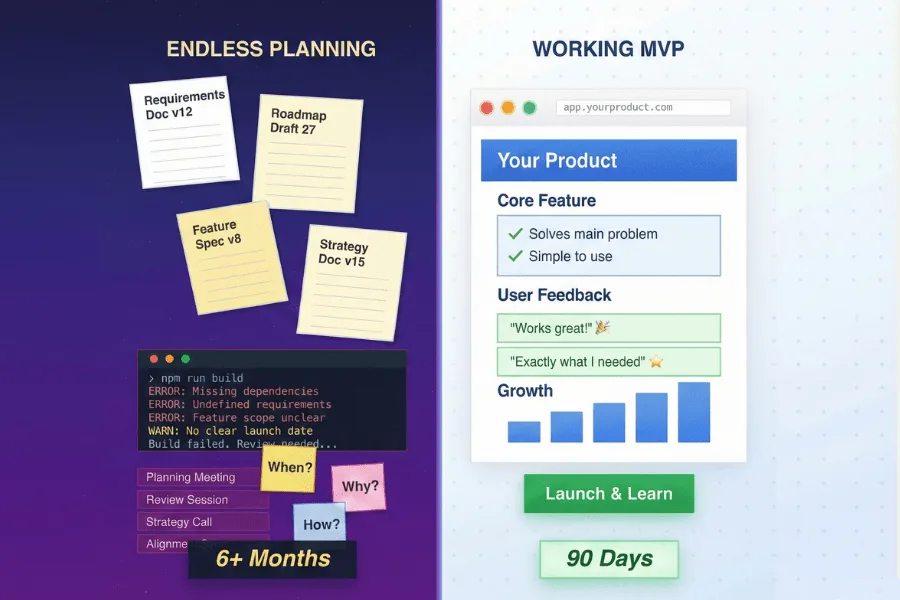
Most healthcare products don't fail on code. They fail on scope that was never pinned down, an integration that took four months instead of two weeks, or a security review the product wasn't built to pass. We pull those risks forward. If a piece is risky, we spend a week of engineering on it before anyone commits to the full build.
Each step is priced and scoped before it starts, so you decide what's next on evidence, not hope.
How a healthcare product moves from idea to production
| Step | What you get | Typical time | Typical investment |
|---|---|---|---|
| Blueprint | User research, scope, architecture, user stories, a build plan and budget your board or investors can approve. The medium Blueprint adds a working prototype. | 4 to 6 weeks | $25K, or from $50K with a prototype |
| MVP | The smallest product that proves the idea with real patients, clinicians or payers, built on production foundations. | 8 to 16 weeks | $75K to $250K |
| Full build | The production platform: integrations, security controls, admin tools, analytics, scale. | 3 to 12 months | Scoped from the MVP |
| Run or transfer | We operate it with L2/L3 support, or hand it to your team on a build-operate-transfer plan. | Ongoing | Monthly |
Ranges from our published Blueprint and MVP pricing. You don't have to take every step in order: some clients start with Build with Us, some go straight to an MVP.
What will investors, acquirers and health system buyers check?
They'll check who owns the code, whether patient data is handled correctly, whether the product integrates with their systems, and whether it stays up. We build so each answer is a document you can hand over, not a promise.
Ownership
You own the code, the IP and the roadmap. Repositories and cloud accounts are set up in your name or ready to transfer.
Security and HIPAA
Encryption, access controls, logging and a BAA, with the evidence a security questionnaire asks for. See security and PHI.
Integration
Documented interfaces to the systems your buyers run, built on standards such as FHIR and HL7 where the other side supports them.
Production record
Uptime, support and incident history. NeverAlone runs 24/7/365 and handles more than 100,000 calls a year.
What happens after the product launches?
Either we run it or your team does. We support platforms we built, with your team or ours taking first-line questions and Digital Scientists handling L2 and L3, and we can hand everything over on a build-operate-transfer plan when you're ready.
Build-operate-transfer means we build the product, operate it in production until it's stable and your team is hired and trained, then transfer the code, the accounts and the know-how. Founders use it to get to market without hiring a full engineering team on day one. See platform operations.
NeverAlone in production, run by us
Calls a year on the platform
Support for platforms we built, or a planned handover
Products we took from idea to production
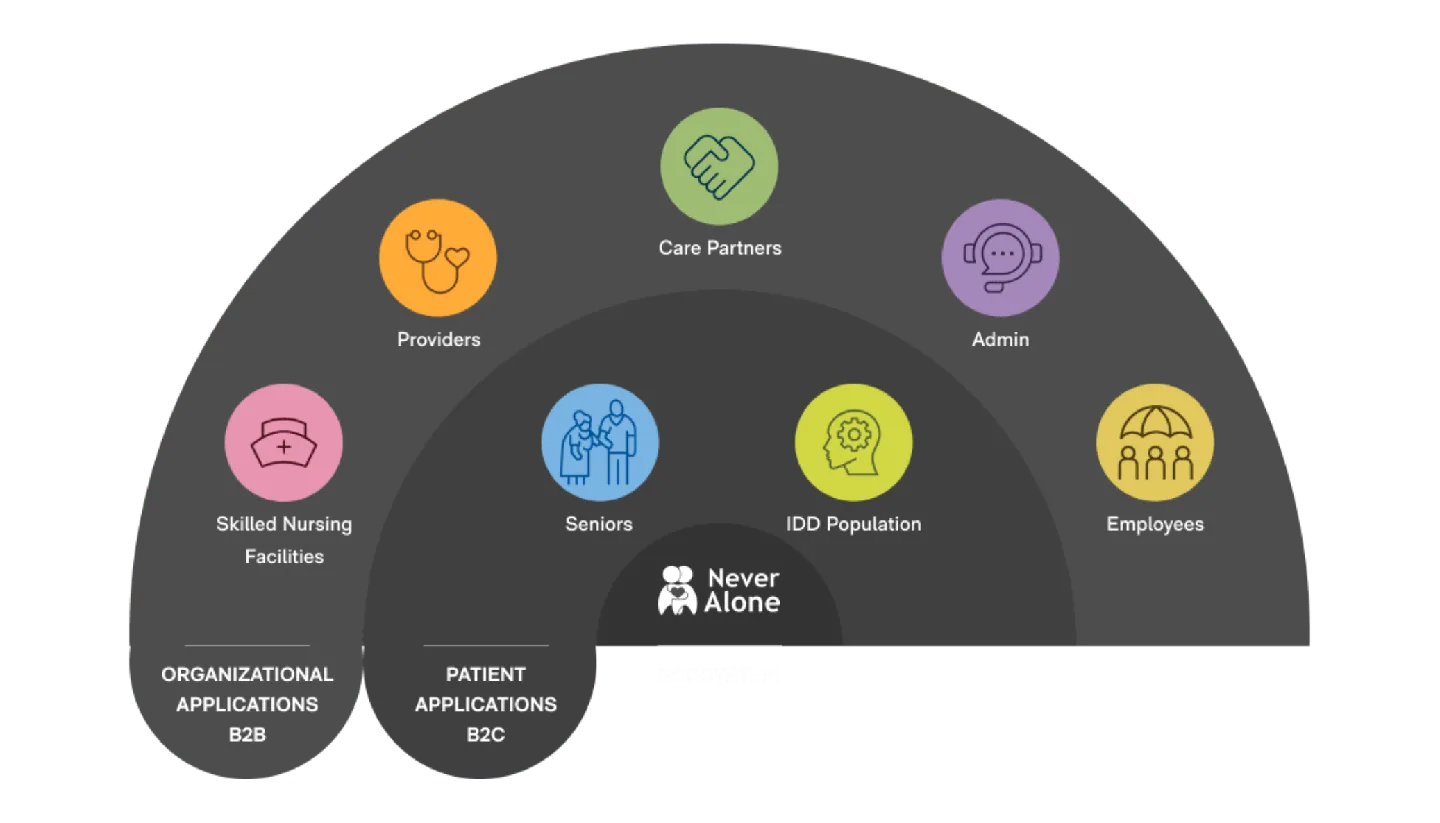
NeverAlone · CommuniCare
90-day MVP to 30,000 patients
A 24/7 virtual care platform that started as a tablet for seniors and now runs across six states, which we still operate.
See the work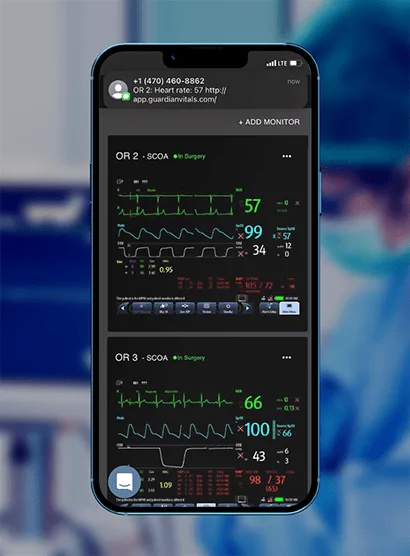
Guardian · Vigilant Medical
99.9% accuracy
An anesthesiologist's idea turned into a national OR monitoring platform: computer vision trained on 1M+ monitor images, a mobile app and the cloud behind it.
See the work
Congruity Health
7,020 patients tracked
An analytics MVP that turns claims and eligibility data into telehealth interventions for chronic disease.
See the workTrusted by healthcare leaders.
“NeverAlone has transformed how we deliver care at CommuniCare Health Services, enabling us to provide better patient care and achieve stronger clinical outcomes.”

Dr. Matthew Wayne
Chief Medical Officer, CommuniCare Health Services
“By applying a robust machine learning model to our app, DS helped us create a scalable and accurate solution to improve the operating room experience for the anesthesia team and the patient. They are true collaborators.”

Justin Scott, M.D., FASA
CEO, Vigilant Medical Solutions
Related services
Health tech and digital health companies
How we work with founders and product teams.
Health tech and digital health companies →Healthcare software development
Custom platforms for providers, payers and health tech.
Healthcare software development →Healthcare app development
iOS, Android and web apps for patients and clinicians.
Healthcare app development →Platform operations and build-operate-transfer
We run what we build, or hand it over.
Platform operations and build-operate-transfer →Minimum viable product
Our MVP service across industries: 8 to 16 weeks.
Minimum viable product →New product development
How we approach new products outside healthcare.
New product development →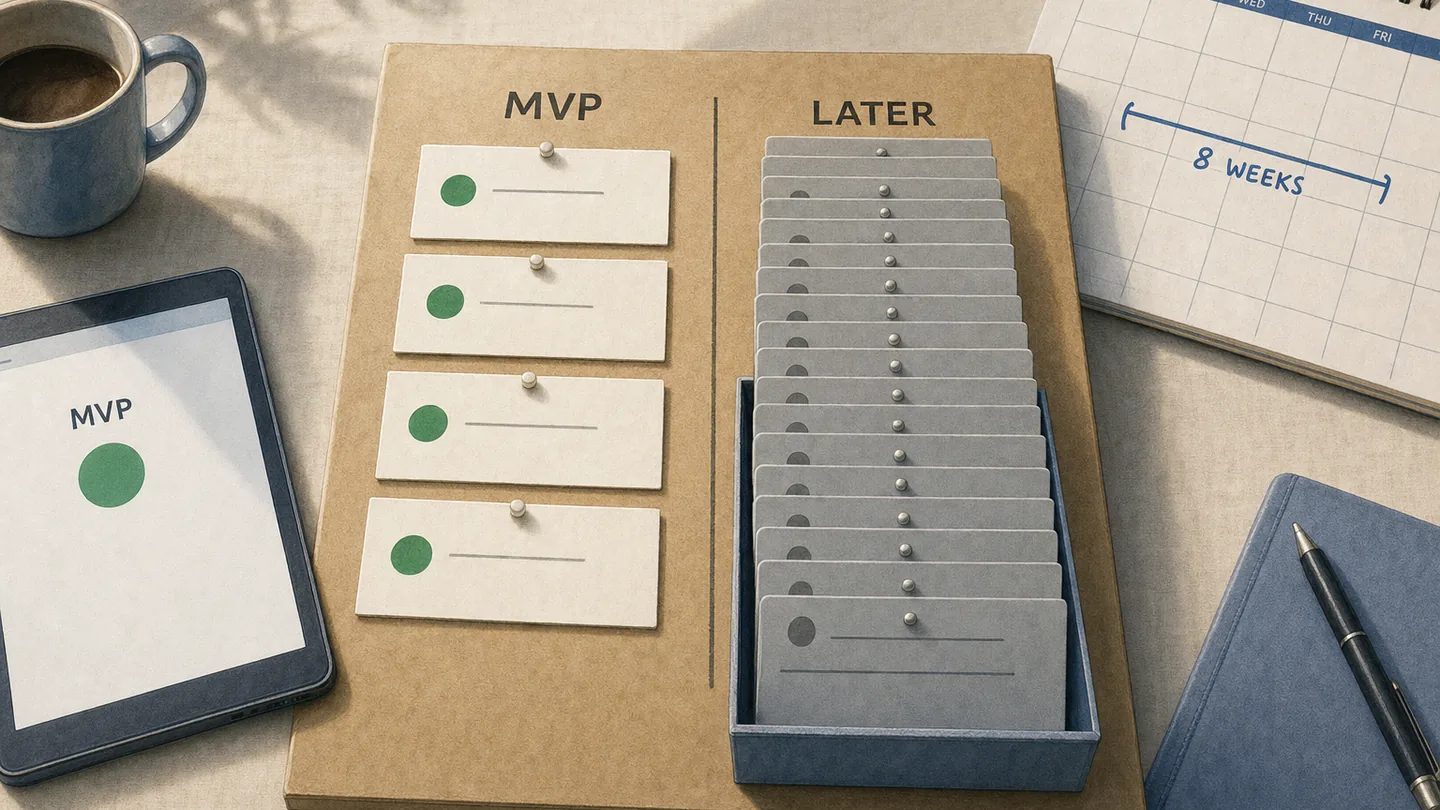
Questions founders and product leaders ask
How much does it cost to build a digital health MVP?
Most healthcare MVPs we build land between $75K and $250K over 8 to 16 weeks, depending on the number of integrations, apps and AI features. A Blueprint ($25K for 4 weeks, or from $50K for 6 weeks with a working prototype) gives you a scope and a budget before you commit.
Who owns the code and the IP?
You do. You own the code, the IP and the roadmap, and we set up repositories and cloud accounts so they can be transferred whenever you want.
Will our product pass a health system's security review?
That's a design goal from the first week. We sign a BAA, build encryption, access controls and audit logging in, and keep the evidence a security questionnaire asks for. Our platforms have been through payer and provider security reviews.
Can you work with our in-house developers?
Yes. Many clients have one or two engineers. We work in your repositories, pair with your team and take the pieces that need the most healthcare or integration experience.
What does a Blueprint include?
User research, scope and feature priorities, architecture decisions, user stories, a build plan with milestones and a budget your board or investors can approve. The medium Blueprint adds a working prototype users can try.
Do you take equity?
Sometimes. Most clients pay for the work and own everything outright. For a small number of operators and funded founders, Digital Scientists Ventures does equity-aligned work, such as a reduced-rate sprint in exchange for equity. See Ventures.
Talk it over
Tell us what you are trying to do. A senior person from our Atlanta team replies within one business day, and you can book a 30-minute call right after you send this.
- We tell you if we're the right fit, and if we're not, who is.
- Most work starts small, so you see how we work before you commit to more.
- We sign a BAA before we touch patient data.