
Software development for health tech and digital health companies
Digital Scientists is the innovation partner health tech product leaders bring in for the product work their team cannot get to. One senior team of researchers, designers and engineers takes a product question from evidence to working software, without taking a sprint from the team that runs your platform. NeverAlone started as a 90-day MVP with us and now supports 30,000 patients across six states, on a platform we still run. Most product leaders start with a Blueprint, or with Build with Us when the first piece of work is already clear.
Updated
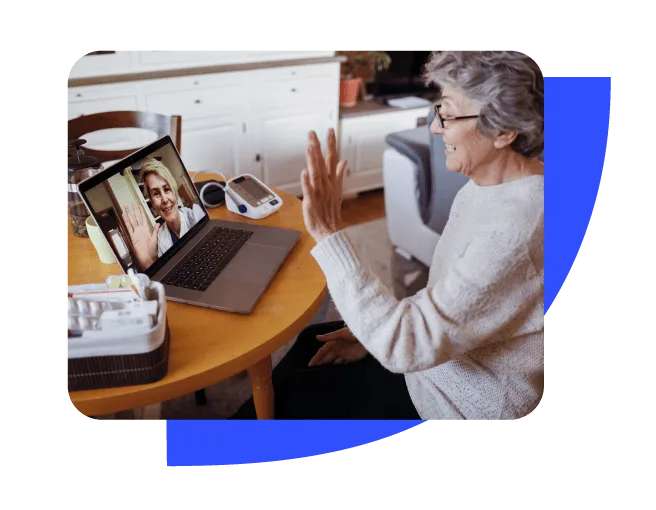
NeverAlone, MVP to pilot
Patients on NeverAlone across six states
Products in eight years as Mailchimp's R&D partner
ToolsGroup sales losses traced to UI, not features
What does an innovation partner do for a health tech product team?
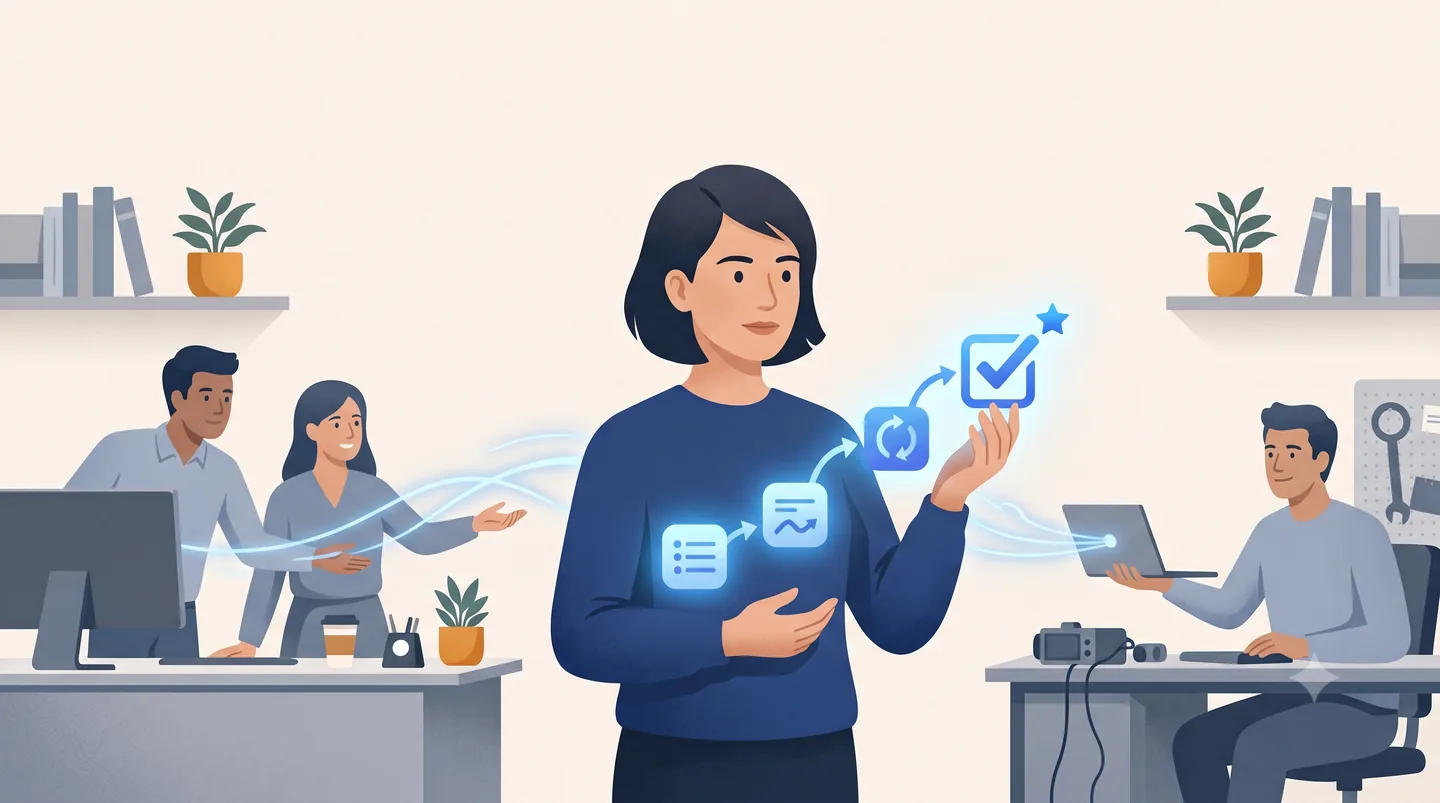
It takes the product work your team cannot get to and carries it from evidence to working software. Not staff augmentation, and not a research firm that hands you a deck.
Your engineers are committed to the platform customers already pay for. The new product, the AI feature, the redesign that would win back lost deals: those wait. We put one team of researchers, designers and engineers on that work, outside your sprints, and hand back something your team can own.
We also run a healthcare platform ourselves. We built NeverAlone with CommuniCare and still operate it, so we know what a product decision costs once it's live, on call, with patients on the other end. Running platforms keeps us grounded in the challenges of everyday care delivery.
Patients under care on NeverAlone, across six states
Calls a year, 24/7/365
Of residents treated in place
Live in production, and we still carry the pager
Health tech products we built and run
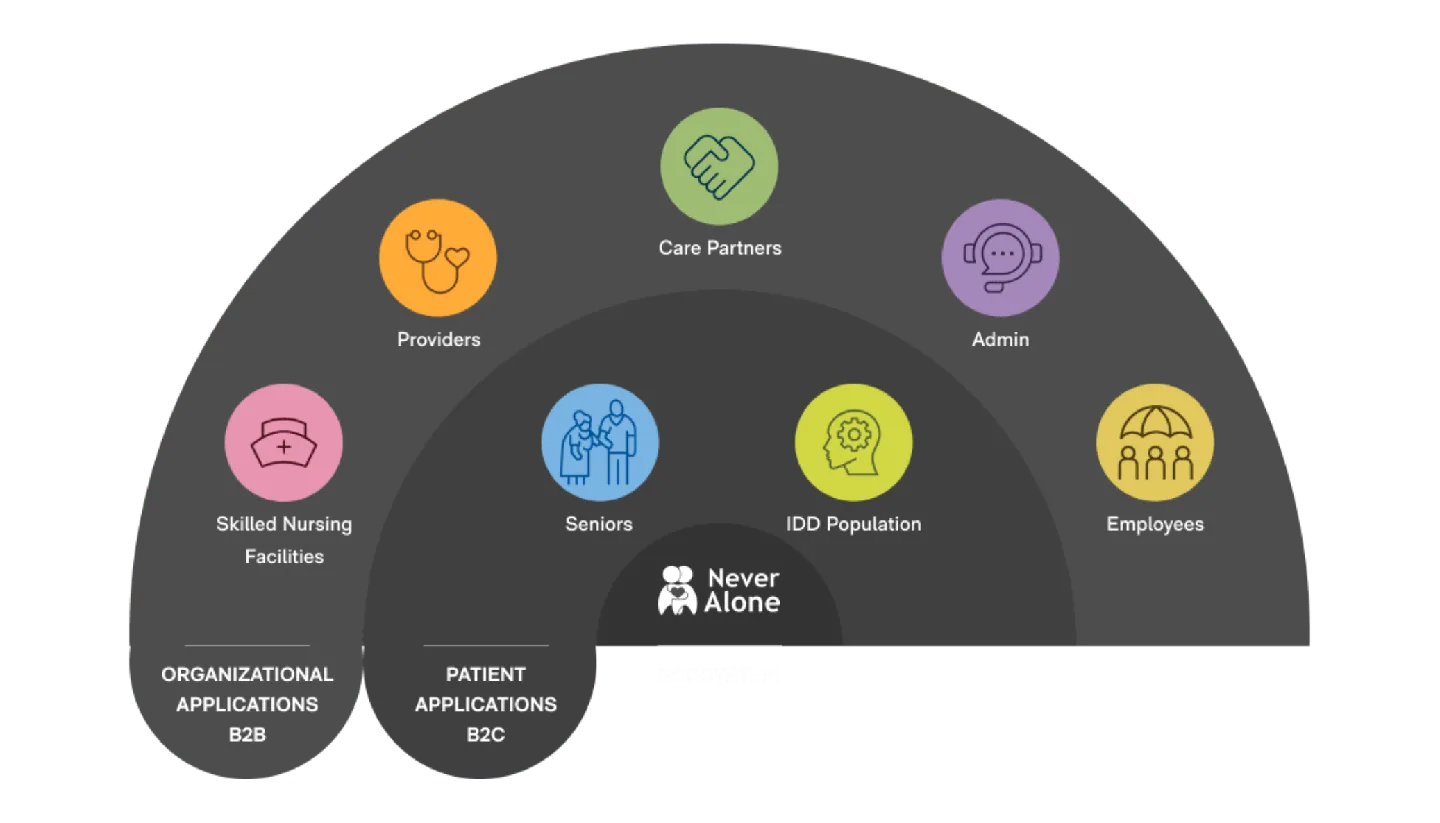
NeverAlone · CommuniCare
90-day MVP to 30,000 patients
A 24/7 virtual care platform that started as a tablet for seniors, became a multi-tenant product licensed to outside facilities, and runs across six states. We still operate it.
See the work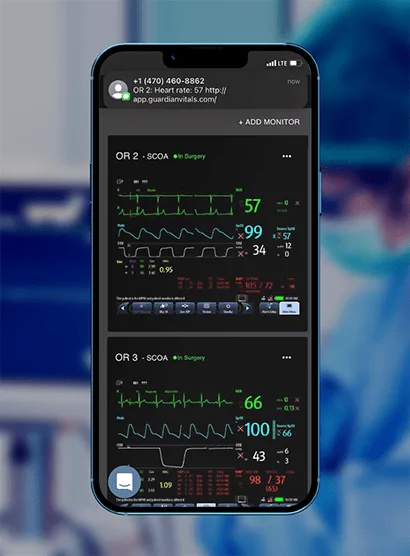
Guardian · Vigilant Medical Solutions
99.9% accuracy
An anesthesiologist's prototype turned into a national OR monitoring platform: computer vision trained on 1M+ monitor images, a mobile app and the cloud behind it.
See the work
Congruity Health
7,020 patients tracked
An analytics MVP that turns claims and eligibility data into telehealth interventions for chronic disease.
See the workWhat do product leaders bring us in to do?
Three jobs: find out what to build, prove it before you commit, and build it without touching the platform.
Each job ends with evidence, not opinion, so the next decision is easier to make and easier to defend to your CEO and board.
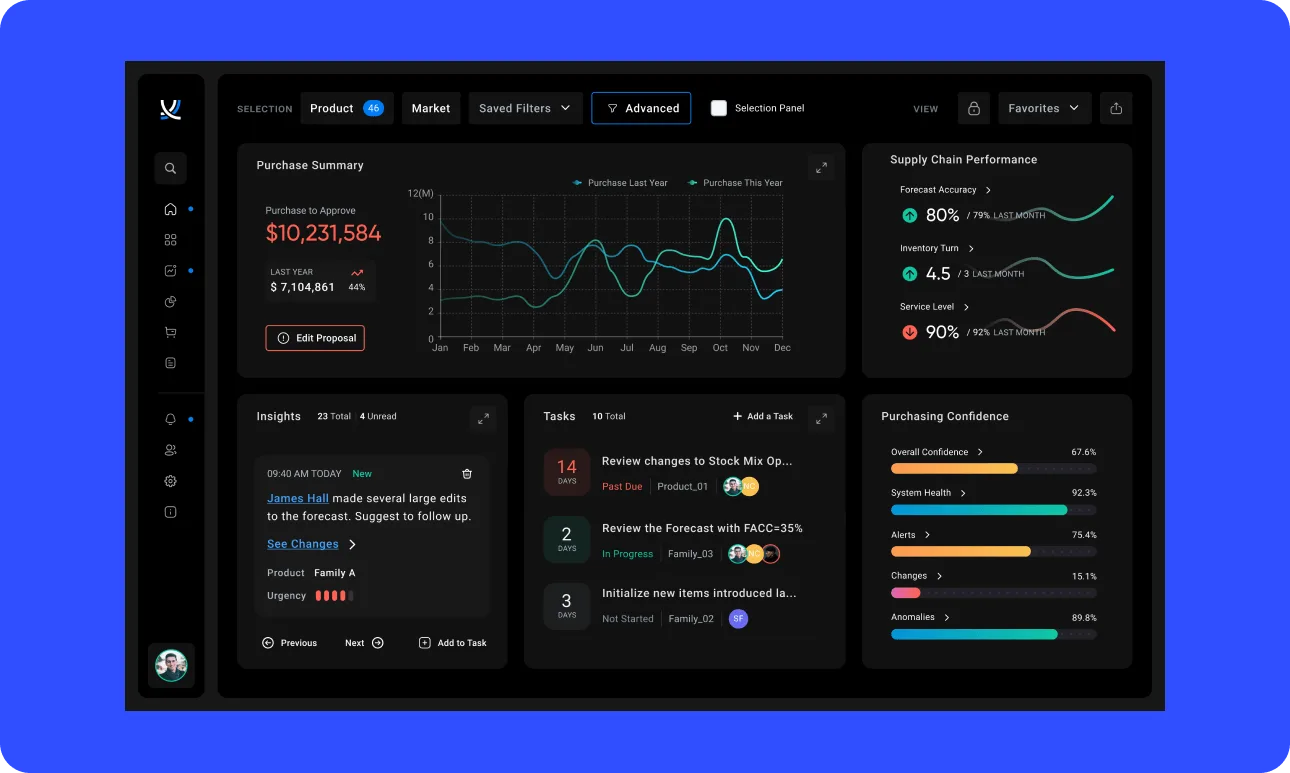
Find out what to build
Research with the people who use it and the buyers who chose someone else. At ToolsGroup, our research found 75% of sales losses came down to UI, not missing features.
Prove it before you commit
A working prototype in front of real users, fast enough to settle an argument instead of extending it. NeverAlone started as a 90-day MVP and now supports 30,000 patients.
Build it without touching the platform
A second team on the new product while yours stays on what customers pay for. Eight years as Mailchimp's R&D partner, 16 products, through Intuit's 2021 acquisition.
Which product situations do we start on, and where does each one start?
Most product leaders recognize their year in one of six situations. Each maps to a first step, and none of them requires changing your production platform.
Your situation and where it starts
| Your year looks like this | Where it starts | What you get |
|---|---|---|
| The roadmap is defensible, but the evidence behind the ranking is thinner than the confidence you have to project. | Blueprint | Research with users and buyers, and a ranked roadmap you can defend with what they said. |
| The thing you most want to fund can't make the roadmap, because nobody can see it working yet. | Blueprint with a working prototype | Something people can use, in front of real users, before the funding decision. If one assumption decides it, an optional 5-day Experiment comes first. |
| You keep losing to the same competitor, and the loss reasons in your CRM all say price. | Blueprint | Interviews with the buyers who chose someone else. At ToolsGroup, 75% of losses came down to UI. |
| Engineering is fully committed to the platform, and discovery has been pushed out three quarters running. | Build with Us | A senior team on the work outside your sprints: $10K for the first two weeks, then $20K a month. |
| Your platform combines modules from three acquisitions, and no one owns making them feel like one product. | Blueprint | One user experience and one solution architecture across the modules, sequenced with your engineering leadership. |
| A new owner wants a three-year plan, and the last one was a list of features with quarters next to it. | Blueprint, then an MVP | A plan grounded in evidence, sized with your engineers, with the first product in users' hands in 8 to 16 weeks. |
These are common starting points, not rules. The first conversation is where we work out the right one.
Why do product leaders call us instead of a research firm or a dev shop?
Because we take the work all the way to production without competing for your engineering capacity or routing around your CTO.
We don't compete for your engineering capacity
Research, prototypes and proofs run outside your team's sprints. Nothing already committed gets descoped to make room for us.
Your engineering leadership stays in the room
We size and sequence the work with them, then hand back something their team can own. A partner who routes around your CTO leaves you a problem to live with.
We answer the production question early
We choose the models, run the evaluation, and own the deployment and operations. HealthContext, the ambient scribe we built into NeverAlone, runs in production and cut note time from 45 minutes to 5.
What healthcare technology do you build in?
HIPAA and security architecture, HL7 and FHIR, EHR connectivity, applied AI with real model evaluation, and the DevOps that keeps it running.
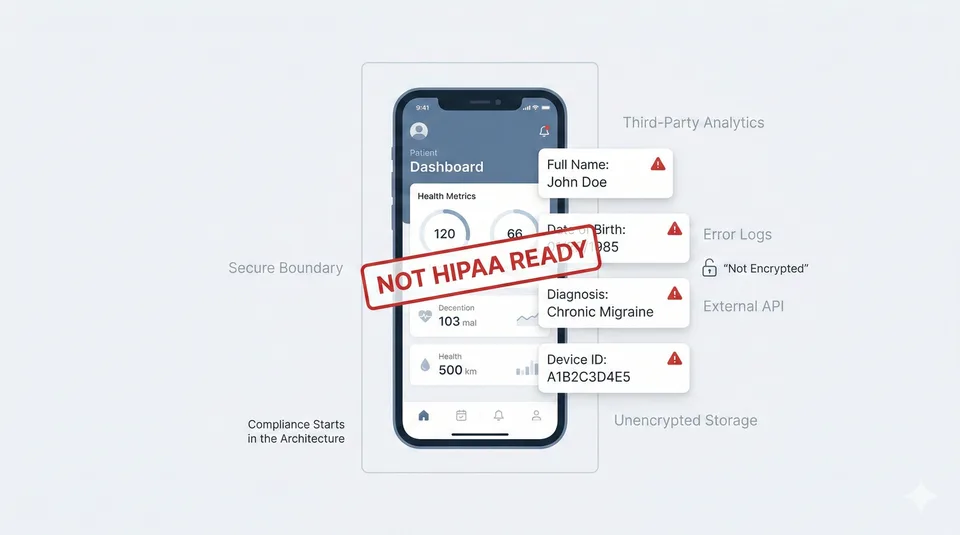
We sign a BAA before we touch PHI, and encryption, access controls and audit logging are architecture decisions made in the Blueprint. Our security plan maps to NIST CSF 2.0, with a security addendum per client. See security and PHI.
We're specific about what runs in production. Where the other side supports FHIR and HL7, we build to them. When your buyers run an EHR we haven't connected to in production, we say so, and we prove the connection in the Blueprint before the build depends on it. See healthcare integrations.
HIPAA and security
BAA first, NIST CSF 2.0 security plan, audit logging
EHR connectivity
PointClickCare and Netsmart (GEHRIMED), cross-EHR patient matching
HL7 and FHIR
FHIR R4 gateway on HAPI FHIR, built and tested
Applied AI
Model choice and evaluation; Bedrock and Claude in your own AWS account
Video and telephony
AWS Chime video, Bandwidth E911, Twilio
DevOps and operations
24/7 production on NeverAlone, L2 and L3 support
Who do you research with before you design anything?
Clinicians, nurses, care teams, providers, coordinators and patients, including older patients handed a device for the first time.
Health tech products fail on the floor, not in the demo. So we go where the work happens. On CommuniCare's work we spent 40+ hours shadowing coordinators before we designed a screen. NeverAlone began as a simple tablet that let independent-living seniors reach a care partner by video, and it had to work for someone who had never used one.
We also talk to the buyers who said no. Their reasons are usually different from the ones in your CRM, and they decide what goes on the roadmap. See healthcare UX research.

A research persona map from our work with older users, plotting them by tech comfort and independence, from support-reliant to self-directed.
Where does the work start, and what does each step answer?
Most product leaders start with a Blueprint, then an MVP. Build with Us is the other way in when the first piece of work is already clear. A full build comes later, if it's earned.
Each step is scoped before it starts and ends with a decision. You find out whether we're the right team in a few weeks, on real work. For McKesson's 3PL business, a Blueprint meant 25+ users interviewed and an architecture their developers could build from.
Blueprint: what exactly should we build?
The specification, the user experience and the solution architecture, grounded in research with real users. The plan is yours, whoever builds from it. $25K for 4 weeks, or from $50K for 6 weeks with a working prototype.
MVP: will real users get value from this?
Working software with real users on it, on production foundations. Measure adoption and decide what comes next on evidence. 8 to 16 weeks, $75K to $250K.
Build with Us: can we start on it now?
A senior architect in your codebase from week one, working with your engineering leadership on the integration, security or AI work that keeps slipping. $10K for the first two weeks, then $20K a month.
The Experiment, optional: does this work well enough to build?
Five days, a working prototype of the riskiest assumption in front of real users. Only when one assumption decides the rest.
Who runs the product once it's live?
We do, or your team does. Digital Scientists supports platforms we built, with L2 and L3 support from our team, and hands everything over on a build-operate-transfer plan when you've hired and trained your own people.
NeverAlone shows what that looks like over time. It began in March 2021 as a 90-day MVP. We added a care management platform, an employee health app, IDD, home health, hospice and behavioral health. In 2023 it went multi-tenant and was licensed to facilities outside CommuniCare's own network. We still run it.
The same platform now carries AI in production. HealthContext, the ambient scribe we built into NeverAlone, cut clinical note time from 45 minutes to 5. See platform operations.
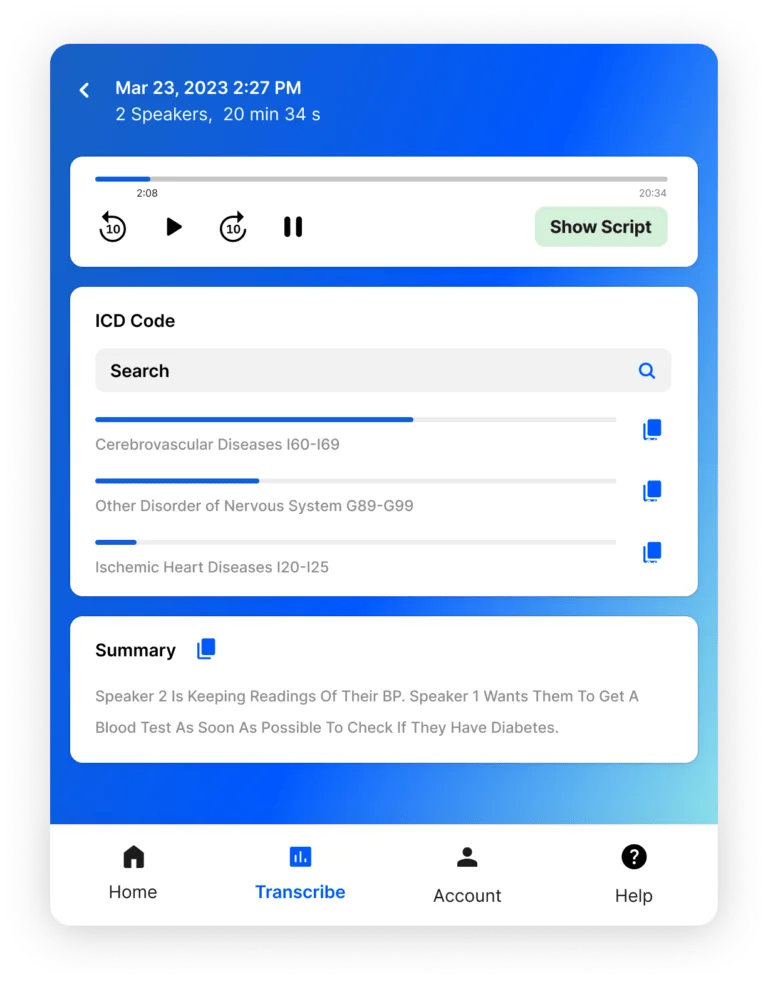
Trusted by healthcare leaders.
“By applying a robust machine learning model to our app, DS helped us create a scalable and accurate solution to improve the operating room experience for the anesthesia team and the patient. They are true collaborators.”

Justin Scott, M.D., FASA
CEO, Vigilant Medical Solutions
“I have worked with many technology teams during my career, and Digital Scientists is one of the best. They take the time to understand the customers' needs, deliver innovative solutions, are always professional, and work with your team as a true partner to achieve success.”

Amy Severino
Chief Innovation Officer, NeverAlone
What we build for health tech companies
Healthcare product development
From first Blueprint to a product in production.
Healthcare product development →Healthcare UX research
Research with clinicians, care teams, patients and lost buyers.
Healthcare UX research →Healthcare SaaS development
Multi-tenant platforms for providers, payers and health tech.
Healthcare SaaS development →Healthcare integrations
EHR, video, telephony and data connections that hold up in production.
Healthcare integrations →Healthcare AI development
AI features shipped into real clinical and business workflows.
Healthcare AI development →Minimum viable product
Our MVP service: 8 to 16 weeks on production foundations.
Minimum viable product →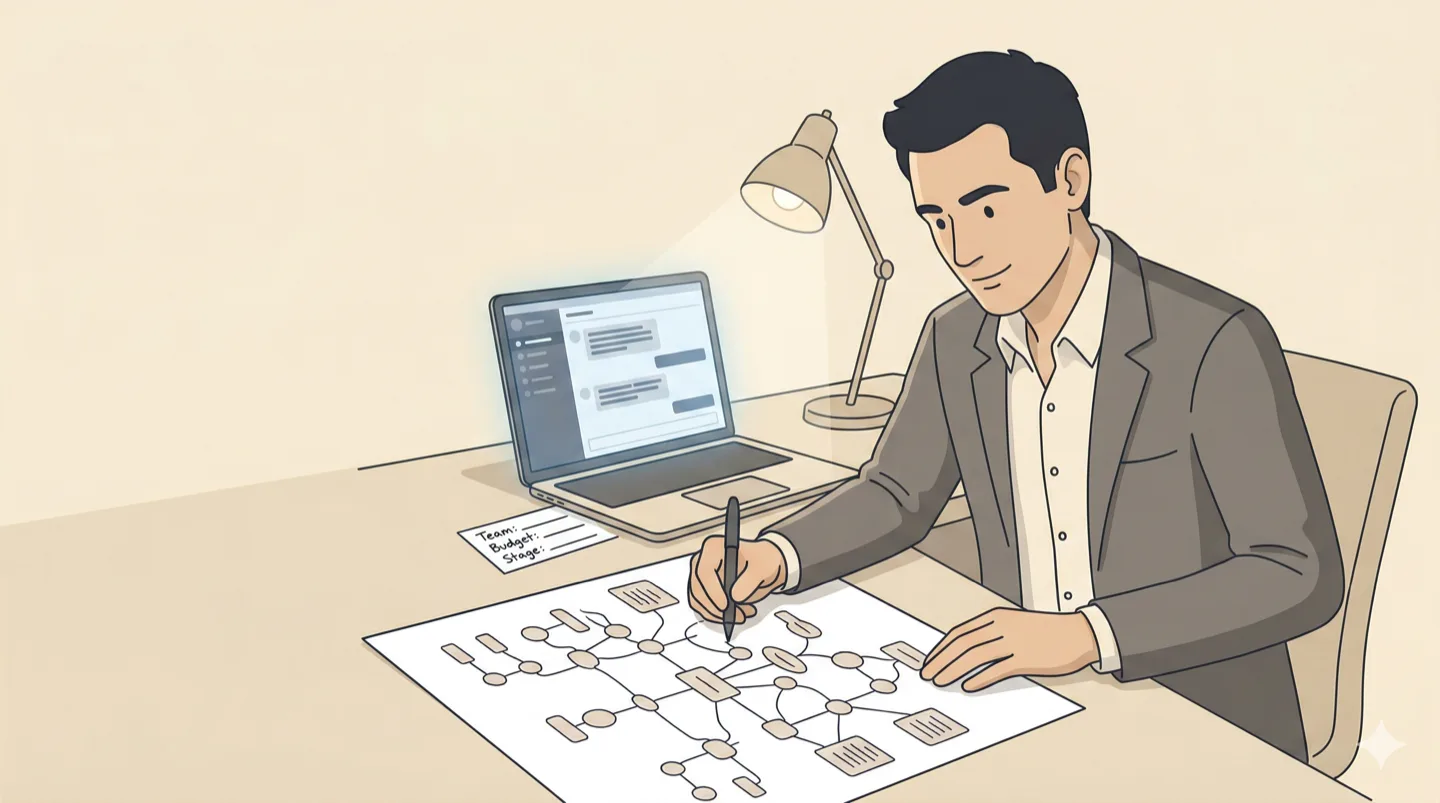
Questions health tech product leaders ask
Is this staff augmentation?
No. We don't add people to your sprints. One team of researchers, designers and engineers takes a product question from evidence to working software, outside your team's sprints, and hands back something your engineers can own.
Can you work alongside our engineers?
Yes. We size and sequence the work with your engineering leadership, work in your repositories and take the pieces that need the most healthcare, integration or AI experience. Build with Us is the lightest way to start: $10K for two weeks, then $20K a month.
Do we have to start with the 5-day Experiment?
No. The Experiment is optional. Most product leaders start with a Blueprint and then an MVP. We suggest the Experiment only when one risky assumption decides whether the rest is worth building.
Will our product pass health system and investor diligence?
That's a design goal from the first week. We sign a BAA, build encryption, access controls and audit logging in, keep the evidence a security questionnaire asks for, and set up code and cloud accounts in your name so ownership is clear.
Do you build integrations to the EHRs our customers use?
Yes. We run PointClickCare and Netsmart (GEHRIMED) data integrations in production, including cross-EHR patient matching. For an EHR we haven't connected to in production, we prove the connection in the Blueprint before the build depends on it.
How much does it cost to build a digital health MVP?
Most healthcare MVPs we build land between $75K and $250K over 8 to 16 weeks, depending on integrations, apps and AI features. A Blueprint ($25K for 4 weeks, or from $50K for 6 weeks with a working prototype) gives you a scope and a budget first.
Who owns the code and the IP?
You do. You own the code, the IP and the roadmap, and we set up repositories and cloud accounts so they transfer whenever you want.
Where are you based?
Atlanta. We've built software since 2007 and work with health tech teams across the US, and we're happy to come to you for the first conversation.
Talk it over
Tell us what you are trying to do. A senior person from our Atlanta team replies within one business day, and you can book a 30-minute call right after you send this.
- We tell you if we're the right fit, and if we're not, who is.
- Most work starts small, so you see how we work before you commit to more.
- We sign a BAA before we touch patient data.