
We run what we build, or hand it over when you're ready
Digital Scientists runs the healthcare platforms we build: monitoring, releases, security updates, L2/L3 support and every third-party integration as vendors change. Your IT team or MSP keeps L1 and the desktop. We have run NeverAlone, a virtual care platform for 30,000 patients across six states, 24/7/365 since March 2021. We support only platforms we built. When you want to own it, build-operate-transfer hands over the code, cloud accounts, documentation and runbooks. Start by telling us what you're building.
Updated
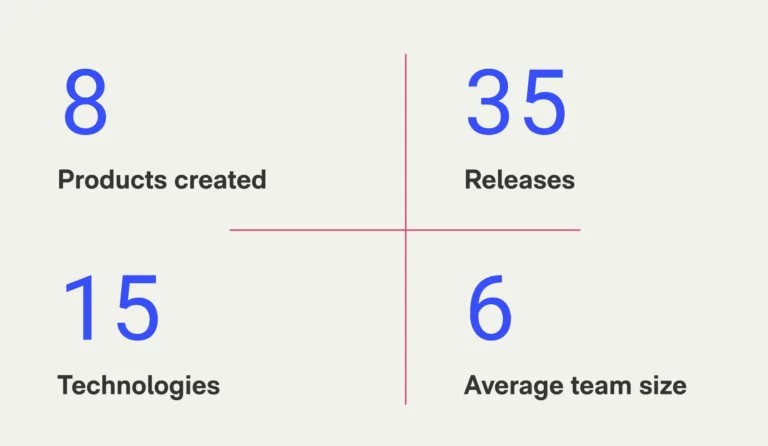
NeverAlone live, run by us since
Platform operations, every day
Managed devices in the field
Calls a year on the platform





Does Digital Scientists actually run healthcare platforms in production?
Yes. We built NeverAlone as a 90-day MVP for CommuniCare in 2021, and we have run it 24/7/365 ever since: monitoring, releases, security updates, the device fleet and every third-party integration.
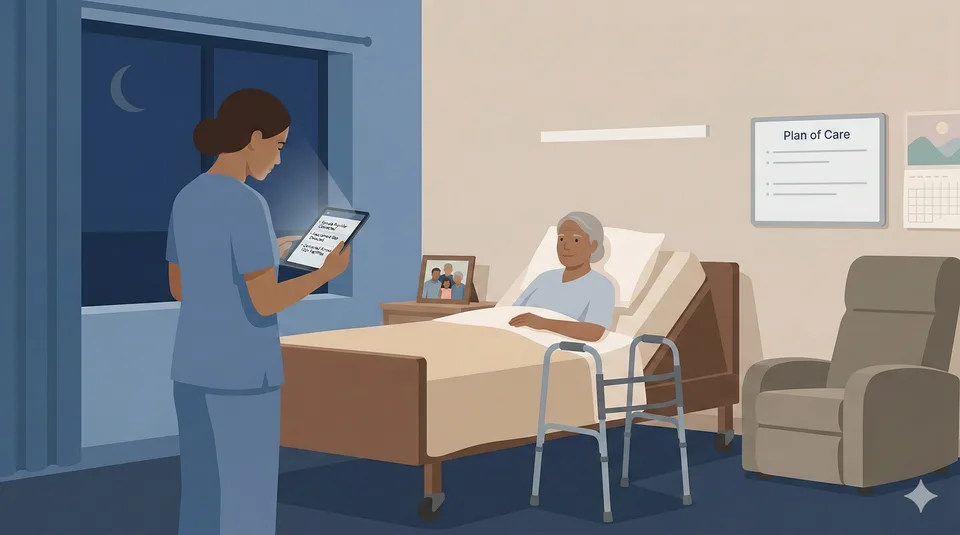
NeverAlone connects nurses and residents in skilled nursing, senior living, IDD, home health and behavioral health to a care partner by video, day and night. A nurse calling for backup at 3 AM needs the platform to work. So we are accountable for uptime and outcomes, not just code quality.
That means the unglamorous work. Every one of 750+ managed iPads is checked every two hours for battery and network, with cellular backup when Wi-Fi drops. Releases ship on a named schedule with release notes. When an EHR, telephony or video vendor changes something, we change our side before your nurses notice.
Running the platform every day keeps us grounded in the challenges of everyday care delivery, and that shapes every product we build.
NeverAlone in production, run by the team that built it
Patients across six states
Treat-in-place rate on the platform
Who handles which support calls: your IT team, your MSP or Digital Scientists?
Your IT team or MSP owns L1: users, desktops, network and first triage. Digital Scientists owns L2 and L3: anything that needs knowledge of the platform's code, data or integrations. We don't run a helpdesk.
This split works because each side does what it's good at. Your IT team already knows your people, devices and network. We know the platform, because we built it. Tickets that need us come straight to the engineers who wrote the code, not to a queue that has to learn it first.
Who owns each support level
| Level | What it covers | Who owns it |
|---|---|---|
| L1 | First contact. Password and access requests, "how do I" questions, logging and triaging tickets, laptops, desktops, printers, network and office software. | Your IT team or MSP |
| L2 | Issues that need platform knowledge. Configuration, user roles, data corrections, report requests, integration errors, reproducing a bug. | Digital Scientists |
| L3 | Code and infrastructure. Bug fixes, hotfixes, releases, security patches, performance, incident response and root cause. | Digital Scientists |
| Vendor | Problems on the other side of an integration: the EHR, telephony, video or cloud provider. | The vendor fixes its side. We open and manage the case, change our side and report back. You hold the vendor contract. |
Severity levels and response targets are agreed in your support plan. How we work in general: production support and monitoring and ops.
Who keeps the integrations working when vendors change?
We do. Integrations are where healthcare platforms break in production, so we own every one we built, from the EHR feed to the emergency-calling service, for as long as we run the platform.
Vendors change authentication, retire endpoints and move data between releases. Each change lands on your clinicians as a broken workflow unless someone is watching. When a telephony provider moved to a new sign-in method, we moved NeverAlone's E911 connection to it and re-tested address validation and callback numbers.
We have kept PointClickCare and Netsmart (GEHRIMED) data flowing with patient matching across both EHRs, along with video, emergency calling, messaging and a managed device fleet. We can integrate with any system that has an API, a standard interface or a reliable export. For new interfaces, see healthcare integrations.
EHR data
PointClickCare, Netsmart (GEHRIMED), cross-EHR patient matching
Video
AWS Chime
Emergency calling
Bandwidth E911
Messaging and voice
Twilio
Devices
Managed iPads (MDM), remote wipe, cellular failover
AI
Bedrock and Claude inside your own AWS account
What does running a platform include each month?
Monitoring with on-call paging, scheduled releases, security updates and a monthly health report, all done by the engineers who built the platform.
- Monitoring and on-call. Error tracking, cloud metrics and alerts that page an on-call engineer when something is actually wrong. Runbooks for common incidents, postmortems for serious ones.
- Releases. Two-week sprints accepted by your product owner, named releases with notes and target dates, and rollback if a release misbehaves.
- Security updates. Patches and dependency upgrades applied without you having to ask, so vulnerabilities don't pile up.
- Monthly health report. Issues resolved, system performance, upcoming maintenance and what we recommend next.
- Small improvements. Workflow tweaks, report requests and integration adjustments without starting a new project. On NeverAlone, an ad hoc weekend report became an automated daily email within four days.

What is build-operate-transfer, and what do we get at the end?
Build-operate-transfer means we build the platform, run it until it's stable and your team is ready, then hand you everything needed to run it without us. You pick the timing.
Founders and operators use it to get a product live without hiring a full engineering and operations team on day one. Common triggers for the transfer: you've hired an engineering lead, the platform has been through a few release cycles without surprises, or an investor or acquirer wants the team in-house.
The handover is gradual. Your engineers work real releases and incidents alongside ours, then take the lead with us as backup, then we step back. Most of what transfers is already yours: on NeverAlone, the code lives in a client-owned GitHub repository. CommuniCare's MDS platform went this way: we built it from April 2024, ran it through rollout, then handed it to CommuniCare's own team. We've done it outside healthcare too, on the GoFan ticketing platform, which started as a 75-day MVP.
What transfers, and when
| What transfers | What you get | When |
|---|---|---|
| Code and IP | Repositories in your organization with full history, branches and build pipelines. | Yours from day one |
| Cloud accounts | Cloud accounts in your name. Admin access moves to your team and ours is removed. | At transfer |
| Documentation | Architecture, data flows, integration specs, the security plan and a log of key decisions. | Kept current while we run it, reviewed at handover |
| Runbooks | How to deploy, roll back, rotate credentials, answer each alert and reach each vendor. | Written as we operate, rehearsed with your team |
| Knowledge | Your engineers run releases and incidents with ours until they lead them. | Over a transition period we agree with you |
How do you work with our IT team or managed service provider?
Alongside them, not instead of them. Your MSP keeps the desktop, network and L1; we take L2 and L3 for the platform we built, through one escalation path.
Your MSP keeps what it does well
Users, devices, network, office software and first-line triage stay with your IT team or MSP. We don't compete for that work.
One escalation path
L1 logs the ticket and hands platform issues to us in Slack, email or your ticketing system. We triage, set severity and keep everyone updated until it's closed.
Least-privilege access
Each party gets the access it needs and nothing more. Platform access is logged, and we sign a BAA before we touch patient data.
Your MSP can take over
If you'd rather your MSP run the platform, that's a transfer: the same runbooks, documentation and side-by-side handover your own team would get.
How does platform operations with Digital Scientists start?
It starts with a platform we built. If someone else built yours, we don't take on support of their code as-is. The path is a Blueprint or a first piece of work, then a build, then we run it.
We're building it with you
Operations is planned in the Blueprint and built in from the first sprint: monitoring, runbooks, release process and who owns L1. See healthcare product development.
Someone else built it
Start with a Blueprint, $25K over four weeks, or a first piece of work with Build with Us. Then we rebuild or harden what needs it, and run what we've built.
We built it and your team wants it
Move straight to a transfer plan: what transfers, in what order, and who is on call during the handover.
Platforms we built and run
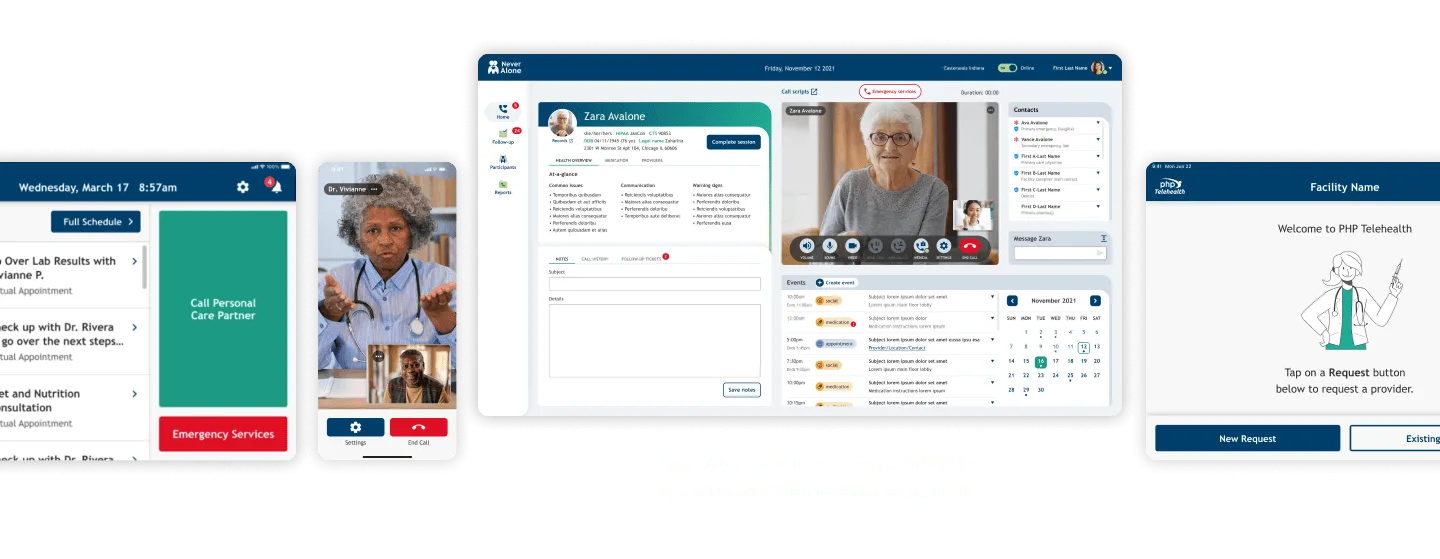
NeverAlone · CommuniCare
24/7/365 since March 2021
A virtual care platform for 30,000 patients across six states. We run monitoring, releases, security updates, 750+ devices and every integration.
See the work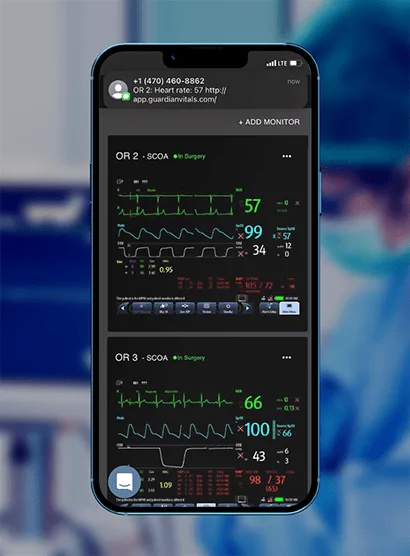
Guardian · Vigilant Medical
Supported from 2022 to 2024
An OR monitoring app with 99.9% transcription accuracy. After launch we provided support under a service level agreement, performance monitoring and enhancements.
See the work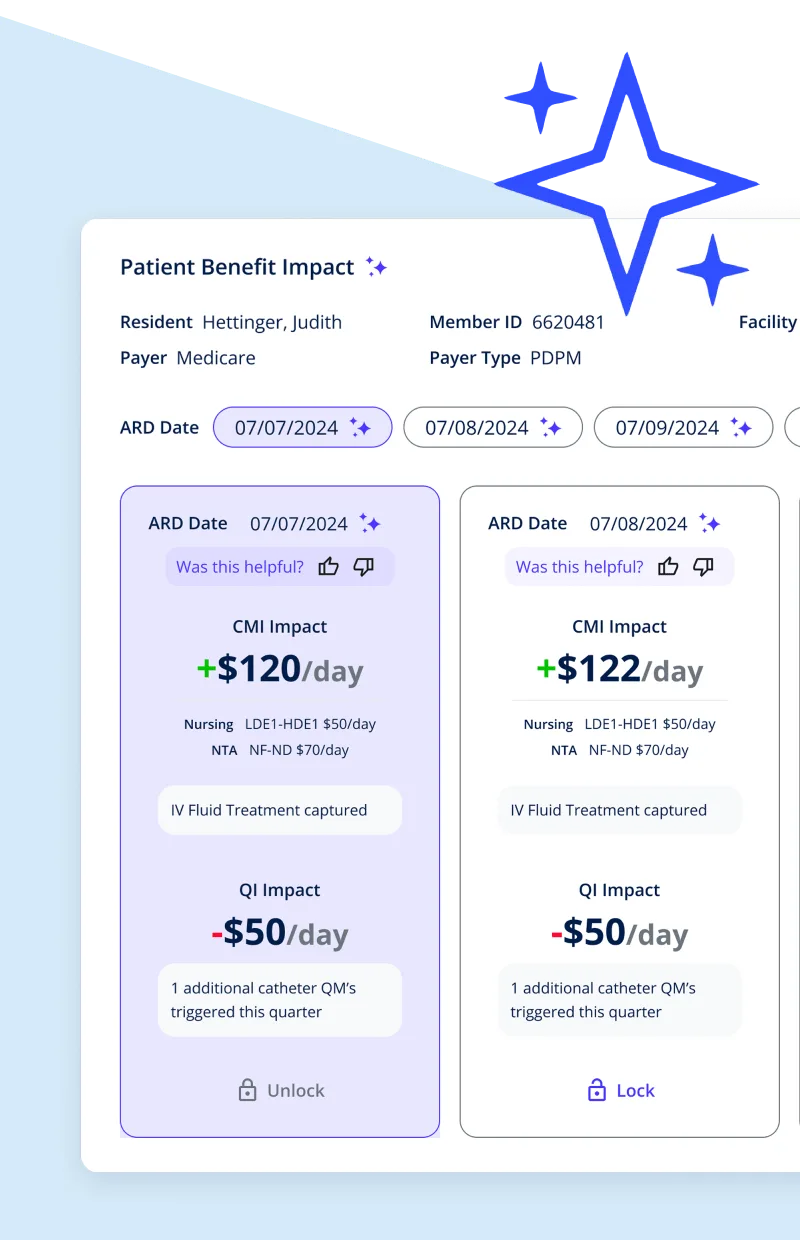
MDS · CommuniCare
Built, run, then transferred
An AI MDS assistant on PointClickCare data, built from April 2024, rolled out with on-site go-live support, then handed to CommuniCare's own team: build-operate-transfer in practice. $10M+ recovered to date; $24M+ PDPM revenue forecast.
See the workTrusted by healthcare leaders.
“I have worked with many technology teams during my career, and Digital Scientists is one of the best. They take the time to understand the customers' needs, deliver innovative solutions, are always professional, and work with your team as a true partner to achieve success.”

Amy Severino
Chief Innovation Officer, NeverAlone
Related services
Healthcare integrations
EHR, pharmacy, lab, payer and telephony interfaces we build and keep running.
Healthcare integrations →HIPAA cloud and hosting
Where the platform runs, and how patient data is protected.
HIPAA cloud and hosting →Healthcare product development
From Blueprint to MVP to a product in production.
Healthcare product development →Production support
Our managed support service across industries.
Production support →Monitoring and ops
DevOps and site reliability engineering for live systems.
Monitoring and ops →Blueprint
Four to six weeks to map what you run and plan what comes next.
Blueprint →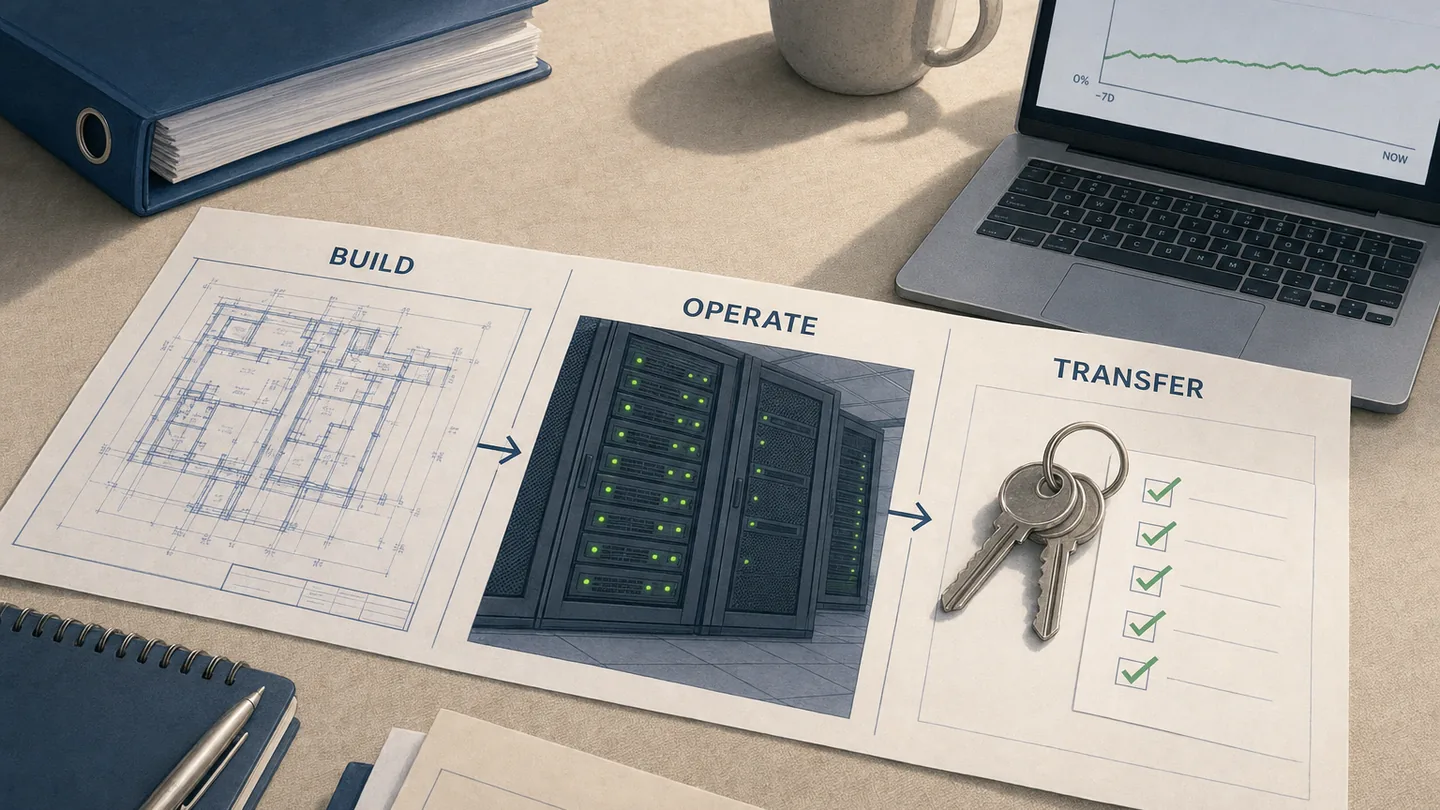

Questions about platform operations
Do you provide helpdesk support?
No. We don't run a helpdesk or support desktops, laptops, networks or office software. Your IT team or MSP keeps L1 and first-line triage. Digital Scientists takes L2 and L3 for the platforms we built: the issues that need knowledge of the code, data and integrations.
What does L2/L3 support include?
L2 covers issues that need platform knowledge: configuration, user roles, data corrections, report requests, integration errors and reproducing bugs. L3 covers code and infrastructure: bug fixes, hotfixes, releases, security patches, performance, incident response and root cause. We also manage vendor cases when the problem sits on the other side of an integration.
How does a build-operate-transfer work?
We build the platform, run it until it's stable and your team is ready, then hand over everything. The code is in your repositories from day one. At transfer, cloud accounts move to your admins, and you get the documentation, runbooks and a side-by-side handover where your engineers lead releases and incidents with us as backup. You choose the timing.
Can our MSP take over the platform?
Yes. Handing the platform to your MSP works the same way as handing it to your own team: the same documentation, runbooks and side-by-side transition. Many clients keep their MSP on L1 and the desktop and keep us on L2 and L3 instead.
Will you support a platform someone else built?
Not as-is. We support only platforms we built, because we can't stand behind code we don't know. For a platform someone else built, start with a Blueprint ($25K, four weeks) or a first piece of work with Build with Us. If the work goes ahead, we rebuild or harden what needs it and then run it.
Will you sign a BAA?
Yes. We sign a BAA with every covered entity before we touch patient data. Our security plan is mapped to the NIST Cybersecurity Framework 2.0, and each client gets a security addendum covering their platform.
Who owns the code while you run the platform?
You do. The code and IP are yours, and the repositories sit in your organization from the start. Running the platform doesn't change ownership; it only changes who is on call.
Talk it over
Tell us what you are trying to do. A senior person from our Atlanta team replies within one business day, and you can book a 30-minute call right after you send this.
- We tell you if we're the right fit, and if we're not, who is.
- Most work starts small, so you see how we work before you commit to more.
- We sign a BAA before we touch patient data.