
“We’re losing customers and deals we should be winning.”
How do we respond when customers, sales results, and the market are telling us the product is falling behind?
Fix what’s losing the deal.
Talk it over



Good enough to be considered, every time. Never good enough to win.
It costs you three ways at once: lost deals, support load, and churn. Usually only the lost deals get talked about. And sometimes you did not even build the thing that is losing. You inherited it.
How this problem shows up
- The product makes the shortlist but loses the final decision.
- Competitors demo better even when your underlying capability is strong.
- Sales needs specialists to explain or rescue the demo.
- Buyers cannot find the product’s strongest capabilities without help.
- Onboarding requires too much human intervention.
- Support volume comes from workflow friction rather than defects.
- Different acquired products create an inconsistent customer experience.
- Win/loss reviews identify “features” but do not explain why customers actually chose someone else.
- Win rate
- Churn and retention
- Expansion and upsell revenue
- Sales cycle length
- Onboarding cost
- Support cost
- Product adoption
- Pricing pressure
- Customer satisfaction
- Ability to cross-sell across acquired products
Product experience becomes a business problem when it changes who buys, who stays, how much support they need, and how hard sales has to work to explain the value.
“It was really hard for us to win bake-offs… I’ve had millions of dollars get into pilot, and then at the end of the day, we don’t win the pilot.”
Health-tech sales leader
Ask the buyers who chose someone else
Not sales, whose explanation has to protect them. Not your customers, who already bought. The people who saw both demos and picked the other one.
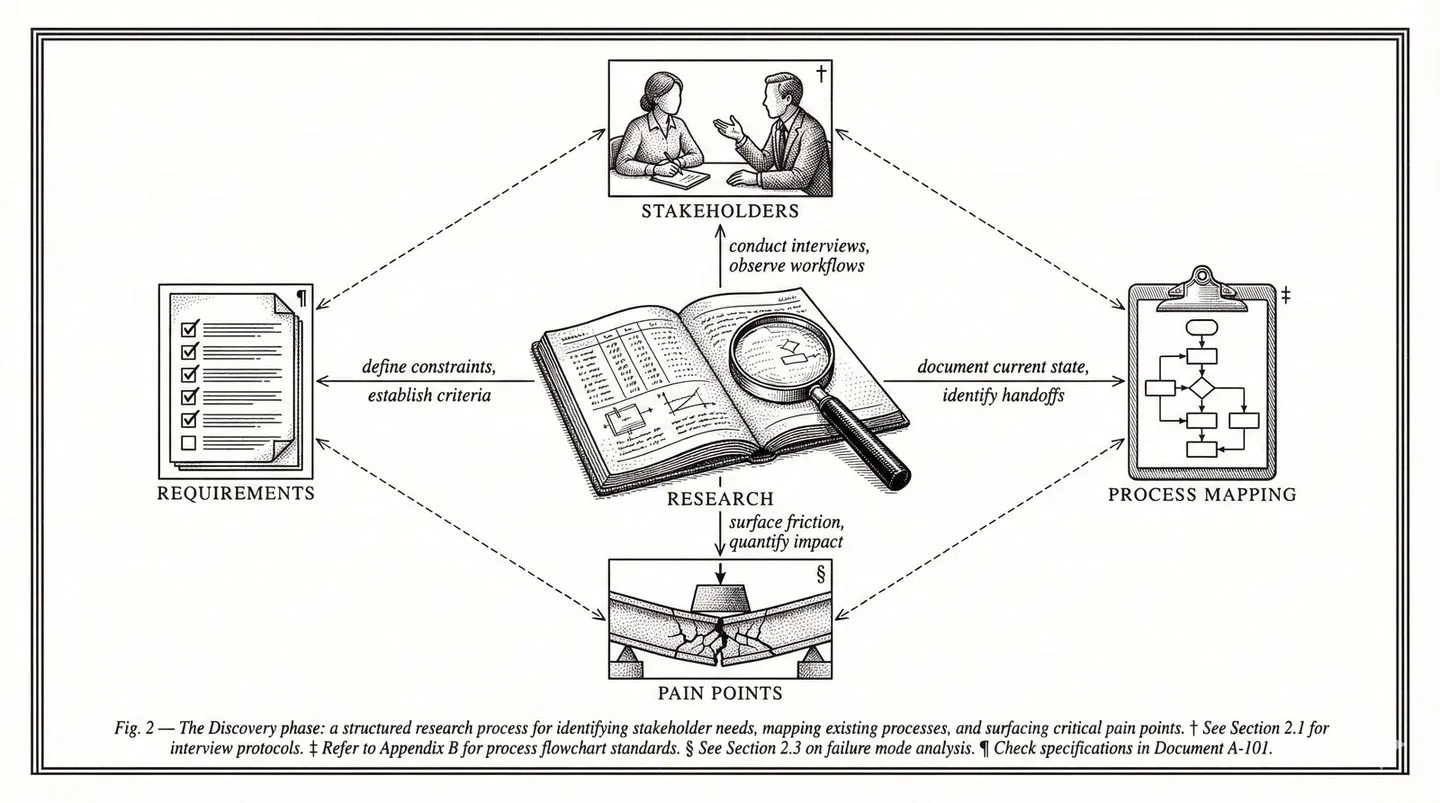
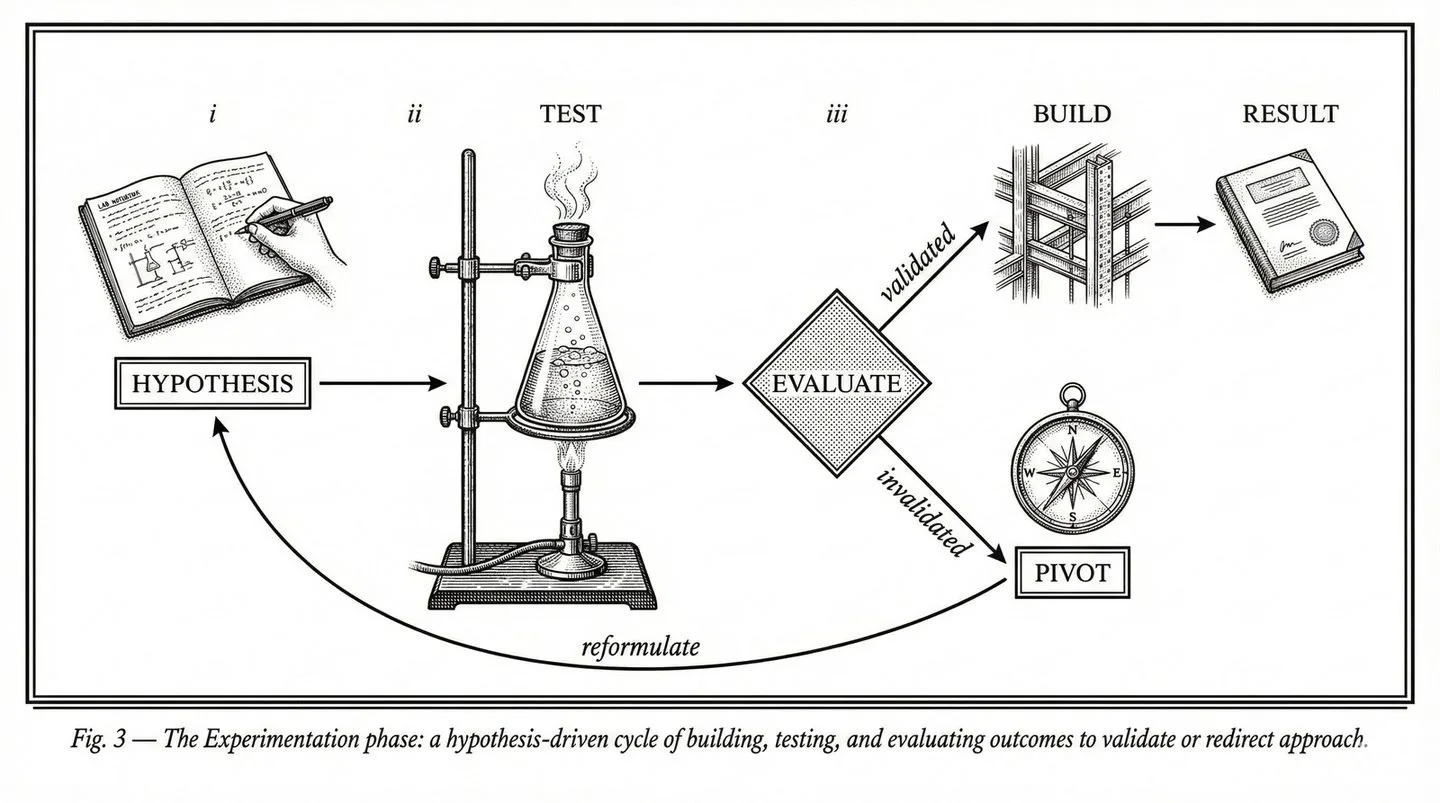
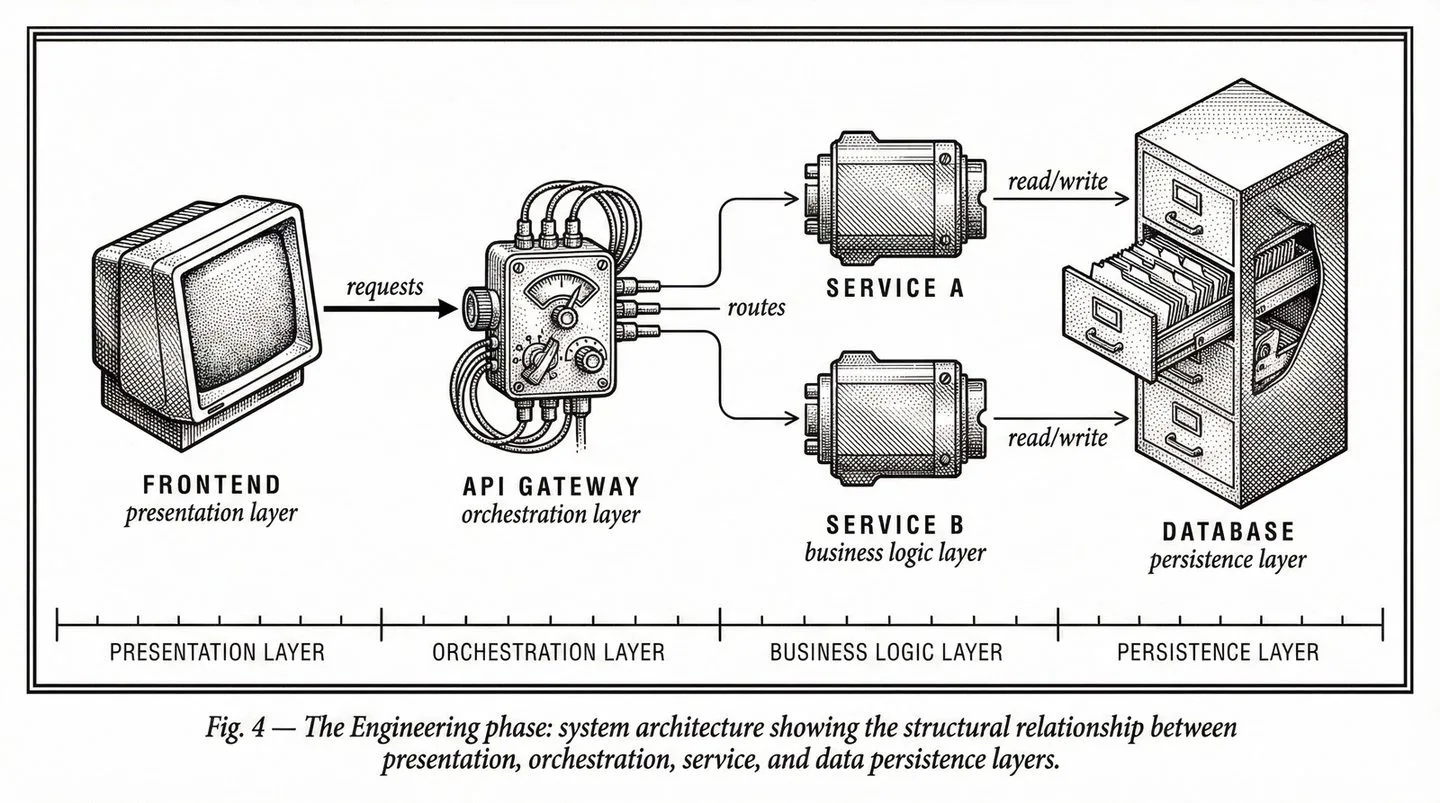
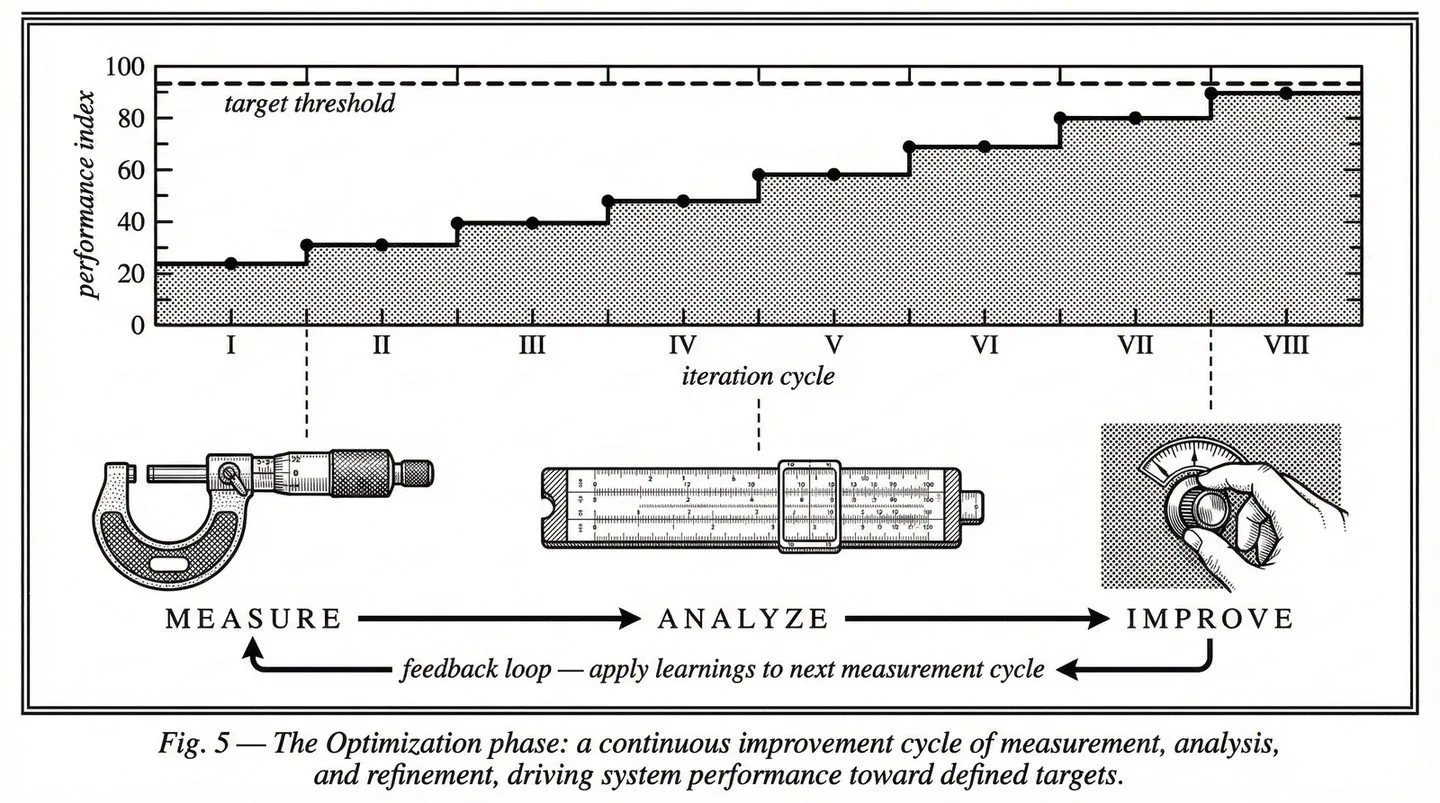
A better user experience is only worth paying for if it helps you win the deal.
Start with a Blueprint
Find out why buyers choose someone else before you redesign anything. A Blueprint gets research, a validated prototype, and a build-ready plan in front of your team in one to four weeks.
Research with the people who decide
User interviews and a competitive review, so you know where the product loses people.
A prototype buyers can see
The four-week Blueprint adds working software tested with real users.
A build-ready plan
The architecture and a development plan with milestones and a budget.
Yours to keep
The research, the designs, and the IP.
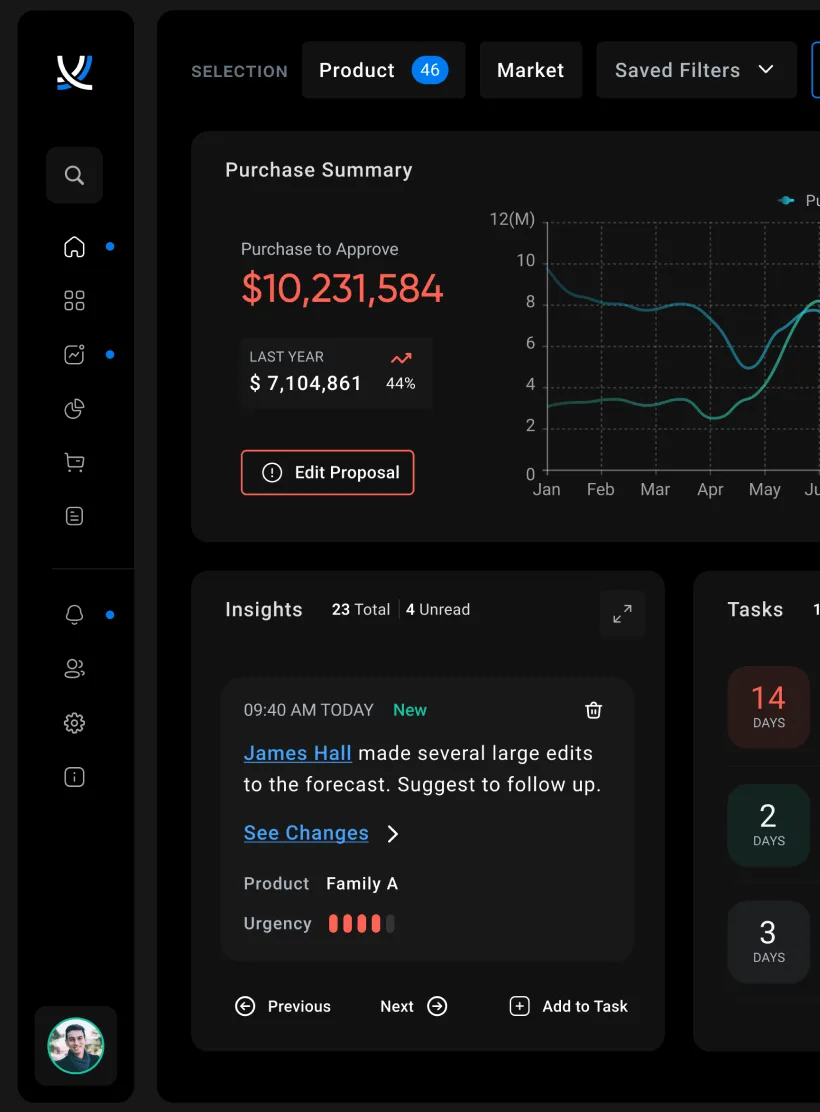
The ToolsGroup redesign followed the same path: research with leadership, customers, and sales, then a user-validated prototype and a design system the team could build from.
If the board needs a business case for a redesign first, start with an Assessment.
Not sure which fits? Call us to talk it over.
Questions buyers ask
Does a better user experience actually help win more deals?
Only when the product is what’s losing the deal. “Every product in our space has a bad UI” doesn’t tell you whether it is. Ask the buyers who saw both demos and chose someone else. If they name price or a missing capability, a redesign won’t move win rate. If they couldn’t see what your product does better, it will.
Read the ToolsGroup case study →We’re funding a rebuild of our product. How do we avoid ending up with the same experience?
The team that built the current product will rebuild it the way they already see it. The workflows come out right and the experience comes out the same. Start from the job your buyers are trying to finish. Test the riskiest part with real users, before the build starts and while changes are still cheap.
How The Experiment tests it in five days →How do I build the business case for redesigning our product?
Tie it to numbers the board already tracks: win rate, churn, support cost and time to onboard a customer. Then back it with evidence from the people who decide, not internal opinion: what lost buyers said, and how real users did on a prototype. If the board needs the case before any design work, start with an Assessment.
What an Assessment delivers →What should a product design engagement deliver besides slides?
Something your engineers can build from. A Blueprint ends with research from the people who decide, then an architecture and a development plan with milestones and a budget. The four-week version adds working software tested with real users. The research, designs and IP are yours, whether we build it or your own team does.
What a Blueprint includes →Tell us about the last deal you should have won
Thirty minutes. Walk us through the bake-off and what you think happened, and we will tell you where we would look first.
Five other problems we solve
01 · New Product
“We have a product opportunity, but not the team to build it.”
Explore New Product →
02 · Roadmap Capacity
“Our roadmap is committed. Our team is full.”
Explore Roadmap Capacity →
03 · Platform Modernization
“Our business has outgrown our platform.”
Explore Platform Modernization →
04 · Cost of Operations
“We need to do more work at a lower cost.”
Explore Cost of Operations →
06 · Innovation / R&D
“How do we build what’s next while delivering what matters now?”
Explore Innovation & R&D →
Or start from all six.