
From Market Problem to Production Product
Building a new digital product isn’t a development project, it’s a market problem, a business case, a positioning decision, and then a build. We help you navigate all of it.
When the product is new and the assumptions are unproven, we typically start with our MVP development services, a focused sprint that turns the riskiest hypothesis into working software before scope grows.
Start with a Blueprint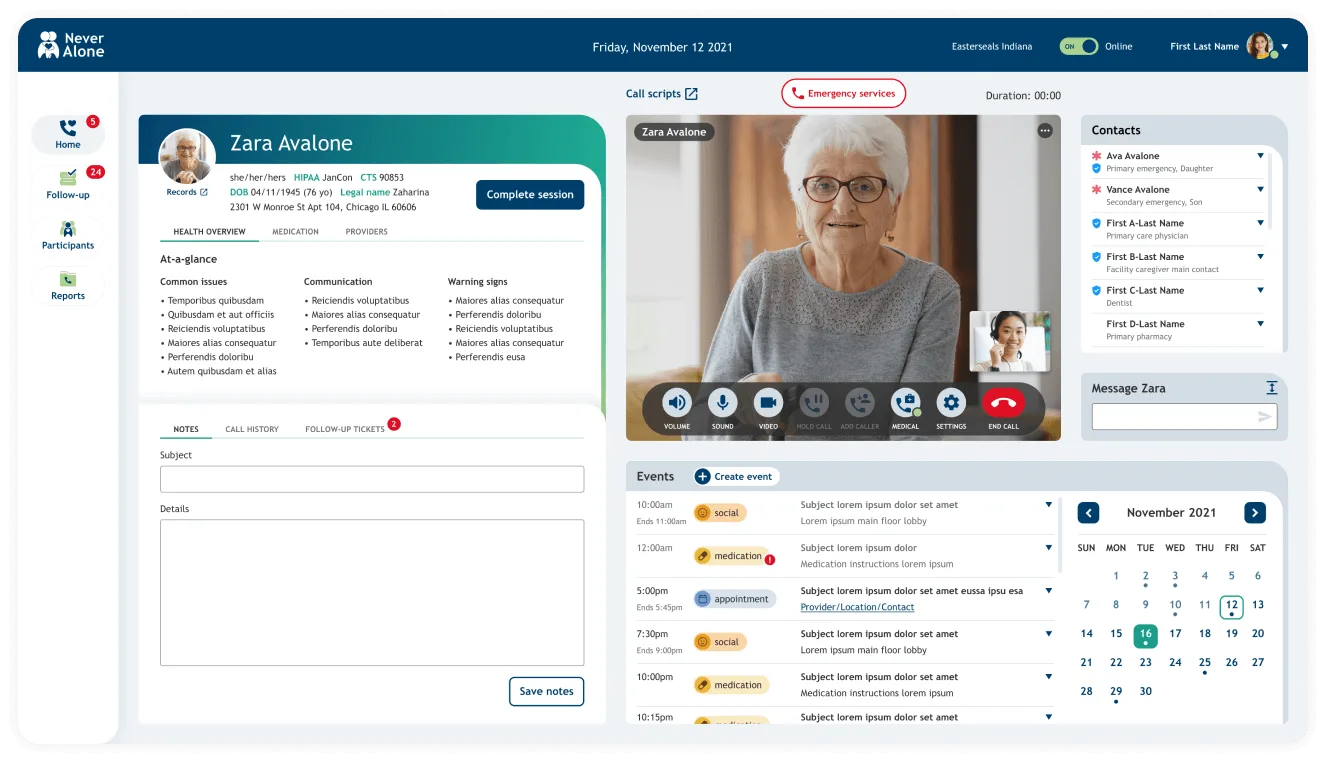
NeverAlone, from idea to virtual care command center. 6 states, 26,000 patients.
Products Shipped
Building Products Since
Avg Engineer Experience
Build-Operate-Transfer
Every engagement follows our method: Discover → Experiment → Engineer → Optimize
Most New Digital Products Fail Because Teams Skip the Market Work
They jump straight to building. The code works, but the product doesn’t, because nobody validated the market problem, the business case, or the positioning before writing the first line.
Building without market validation.
Teams build what they think users want instead of validating the market problem first. They ship features, not solutions. Six months later, usage data tells a different story than the business plan.
Architecture decisions made too early.
The tech stack gets locked in before anyone understands the problem space. Scaling decisions are made for a product that hasn’t proven it should exist. Over-engineering kills products as often as under-engineering does.
No framework for deciding what to build vs. what to buy.
Every capability gets built custom when half of it exists off the shelf. Or everything gets bought when the differentiating value requires custom engineering. The build-buy-partner decision needs a framework, not a gut feeling.
The Pragmatic Framework provides the discipline. DS provides the capability. We help you move through the market work, the business case, and the positioning, and then we build it with you.
How we use the Pragmatic Framework
The Pragmatic Framework is a market-driven approach to product work: 37 activities across seven categories, covering market problems and competitive landscape through pricing, positioning and launch. We use it as the discipline behind our own five stages. The point is that the market work happens before the build, not after it.
Market Discovery
We interview users, SMEs, customers, and sales teams. AI accelerates research synthesis and pattern identification across interviews. We find the real market problem, not the feature list someone assumed.
Business Case
Market sizing, competitive landscape analysis, build-buy-partner decisions, and revenue model. AI accelerates competitive research and market analysis. The question: is this worth building?
Positioning
We define what the product is, who it’s for, and why it wins. Positioning drives architecture, UX, and go-to-market, not the other way around.
Build
AI-accelerated development with senior architects. Instrumented from day one, we take a product management approach to measure what’s actually used and turn off what isn’t.
Launch
Beta, early adopters, production launch. Continuous validation against the market problems we set out to solve. We operate until your team is ready to own it.
Discover → Experiment → Engineer → Optimize
The Pragmatic Framework defines what to build. Our method defines how we build it. AI accelerates every phase.
Understand the Problem
User interviews, SME sessions, competitive analysis, market sizing. AI accelerates research synthesis, our team interprets what matters.
User research · JTBD · Market validation
Validate Before You Build
Prototypes, concept testing, usability sessions with real target users. AI scaffolds rapid prototyping, our team designs what to test and reads the results.
Prototyping · Usability testing · Concept validation
Build with AI Leverage
Senior architects lead. AI handles code generation, test automation, and documentation. Instrumented from day one, we measure what’s used, not what was spec’d.
AI-accelerated dev · Product management · Usage analytics
Iterate on Real Data
Production monitoring, usage analysis, feature prioritization based on data. Turn off what doesn’t work. Double down on what does. Transfer when your team is ready.
Continuous validation · BOT · Feature optimization
We Help You Solution Your Own Innovation Roadmap
Not our roadmap, yours. DS provides the engineering, design, and product capability you don’t have in-house. Your vision, your market, your customers. Our job is to help you define what’s worth building and then build it with you.
We talk to your users, your subject matter experts, your customers, your sales team. We align on jobs to be done, the real problems people are trying to solve, not the feature requests that pile up in a backlog.
Then we take a product management approach: measure what’s actually used, double down on what creates value, and turn off what doesn’t. Every feature earns its place through usage data, not opinions.
Learn about our method →Jobs-to-Be-Done Research
We interview the people who will use the product, and the people who buy it. We map the real workflow, not the assumed one.
Build-Buy-Partner Decisions
Not everything needs to be built custom. We help you decide what’s your differentiator (build it), what’s commodity (buy it), and what’s a capability gap (partner for it).
Usage-Driven Iteration
We instrument from day one. Real usage data drives the roadmap, not stakeholder opinions. Features that don’t get used get removed.
From Concept to Production
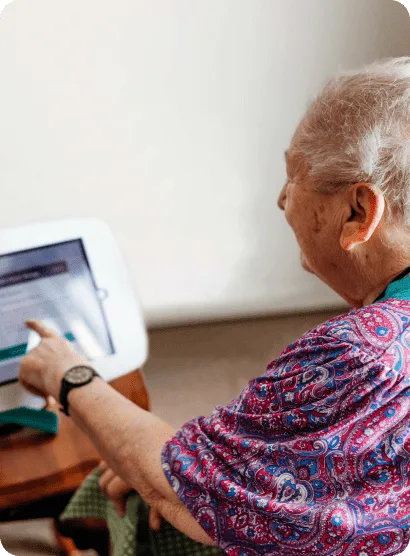
Healthcare · IoT
NeverAlone
From concept to 26K+ patients across 130+ facilities in 7 states. Remote patient monitoring platform built from scratch, market discovery through production launch.
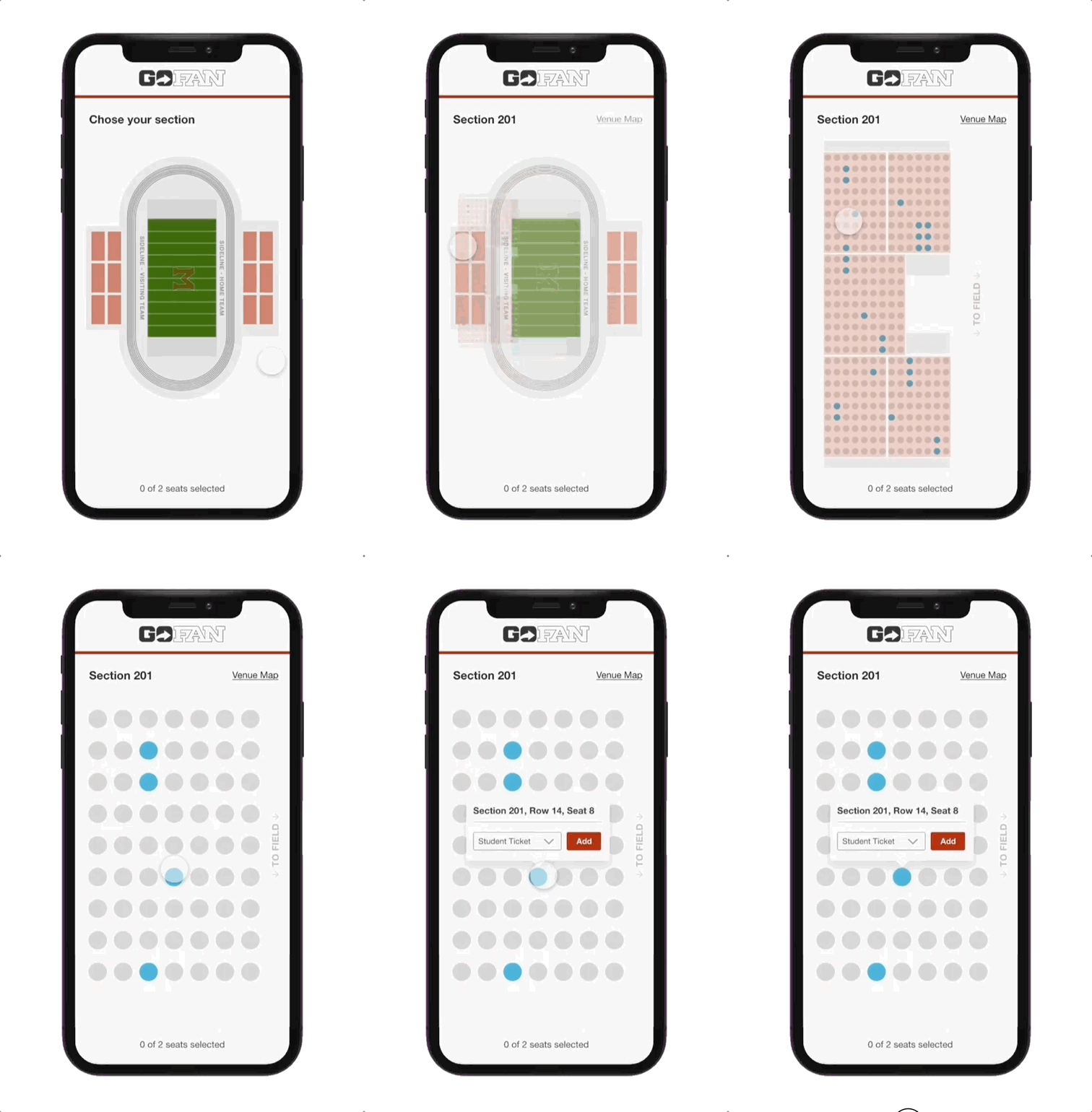
Consumer · Fintech
GoFan Ticketing Platform
Built a complete high school ticketing platform from zero, now processing millions of transactions. Market problem identified, product defined, scaled to production.
We Build It With You. You Own It When We’re Done.
We build the product alongside your team, operate it through stabilization and early market traction, and transfer it when your team is ready to run it independently. You own the IP, the code, and the capability.
During the transfer phase, we assist with hiring, training, and supporting your team until they’re ready to own it fully. We’re not building a dependency, we’re building your product and your team’s capacity.
This is what it means to be an innovation partner, not a vendor. We’re invested in the product’s success in market, not in extending our engagement.
Where to Start, and Where to Go Next
Blueprint
Define the market problem, interview users, and plan the product, before you build. The starting point for new product development.
Learn more →Minimum Viable Product
Get your product into real users’ hands and measure what happens. Build-measure-learn in 4-16 weeks.
Learn more →How We Engineer
Senior architects, AI-accelerated delivery, 170+ combined years. How we build production software.
Learn more →Product Development Insights
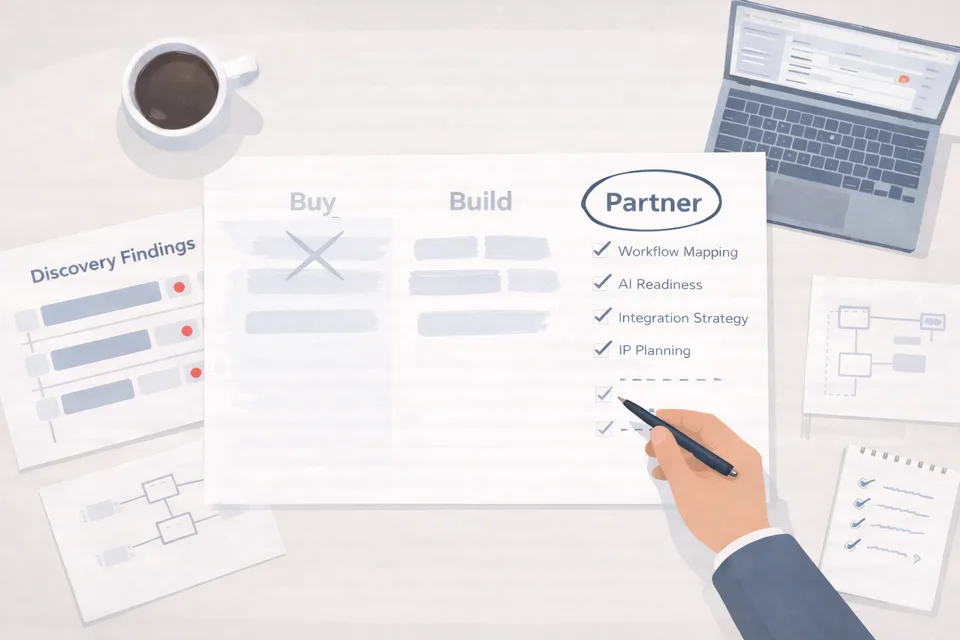
Buy, Build, or Partner? Handling Software Discovery Gaps
How to make the right build-buy-partner decision when gaps emerge during software discovery.
Read More →

A Guide to Finding Product Market Fit
The discipline of validating market fit, before you scale.
Read More →
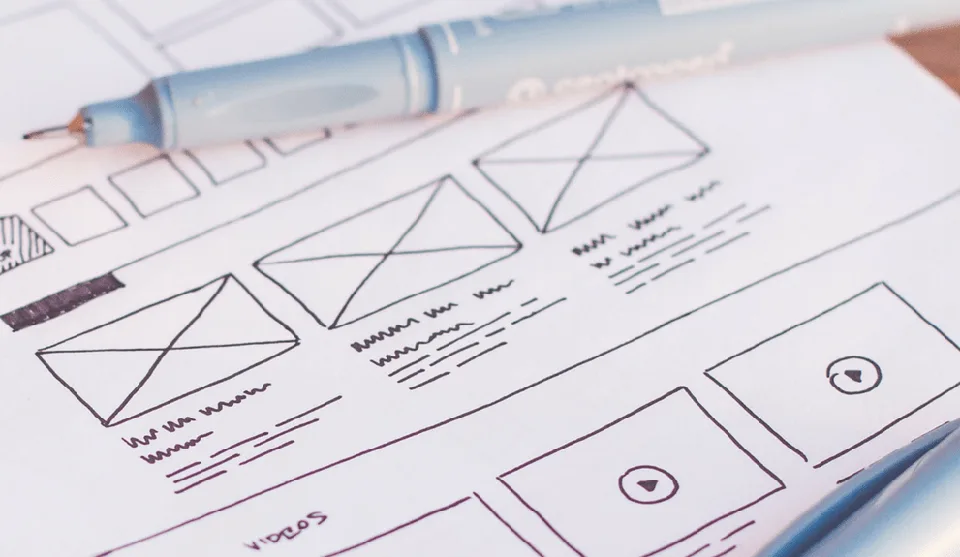
Layers of Design in New Product Development
How design thinking layers into the product development process.
Read More →
New Product Development FAQ
Start with a Blueprint
Tell us about the market problem you’re trying to solve. We’ll help you define what’s worth building, before you invest in building the wrong thing.
Since 2007 · 200+ products launched · Build-operate-transfer