
“Our roadmap is committed. Our team is full.”
How do we get important work shipped when engineering already has more than it can reasonably take on?
A second team that ships it.
Talk it over






The work is decided. The people who would build it are not available.
There are two reasons, and only one gets said out loud. Sometimes it really is capacity. Sometimes the work needs a skill nobody on the team has. Both are normal.
Your engineers are committed, and they should be
You have everything except a software team
IT has you queued behind everything else
How this problem shows up
- Approved roadmap items keep slipping into the next quarter.
- Customer commitments depend on work the team cannot get to.
- Strategic integrations or acquired products are sitting in a queue.
- Innovation work repeatedly loses to current-year commitments.
- Product leaders spend more time renegotiating dates than moving the roadmap.
- Backlog age keeps increasing even though the priorities are clear.
- IT or engineering has given you a realistic date, but the date is too late for the business.
- Revenue delayed behind roadmap items
- Customer commitments and renewal risk
- Sales opportunities that depend on missing capabilities
- Time to market
- Return on approved product investment
- Internal engineering opportunity cost
- Ability to act before budget or market windows close
The cost is not the outside team. The cost is the value sitting in the queue while approved work waits to be built.
“Our product is infinitely scalable, but our development team is not.”
Solution engineering director, enterprise software company
Built so your team can take it over
We work as an extension of your team: your stack, your tooling, your workflows, your review process. What ships should look like your team built it, because they are the ones who will maintain it.
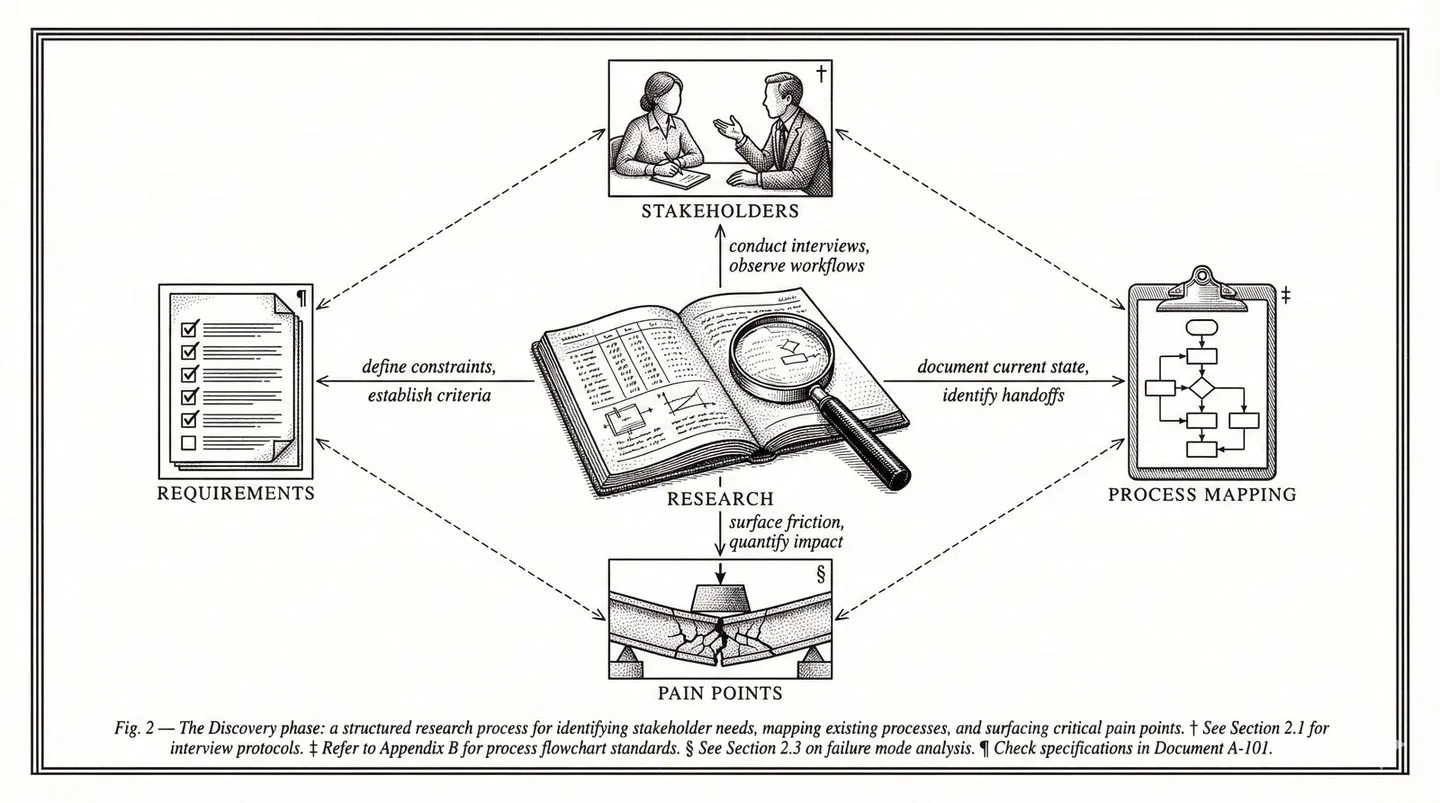
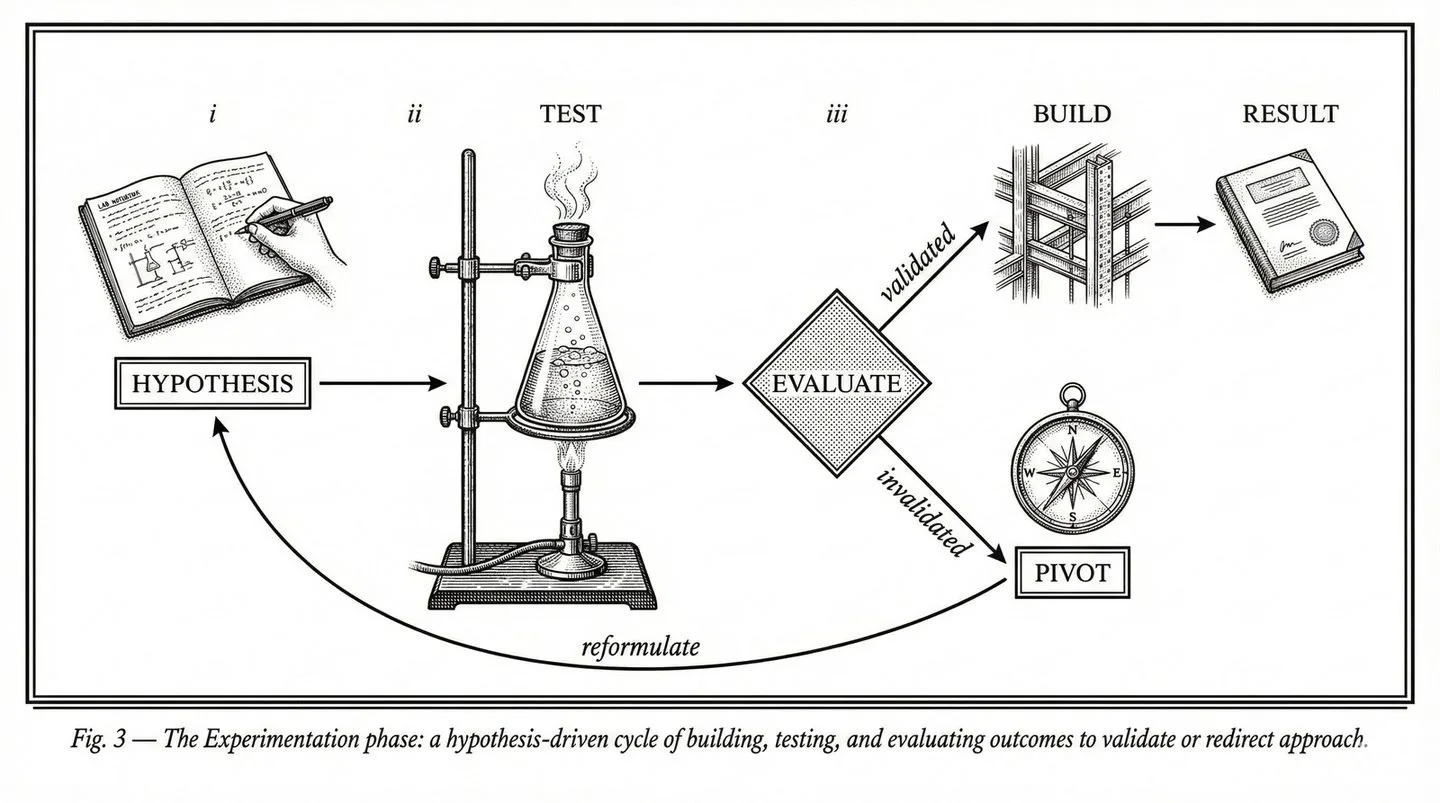
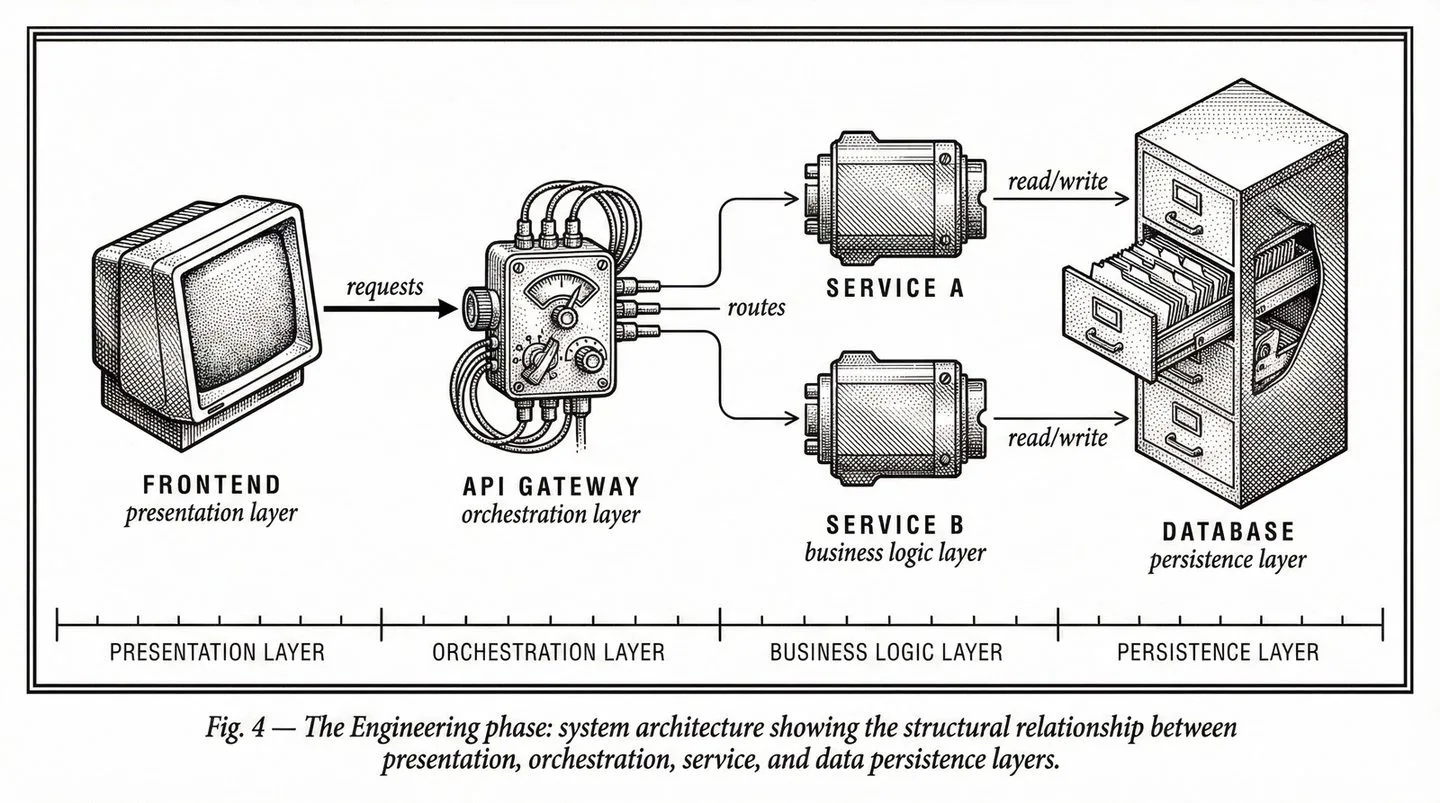
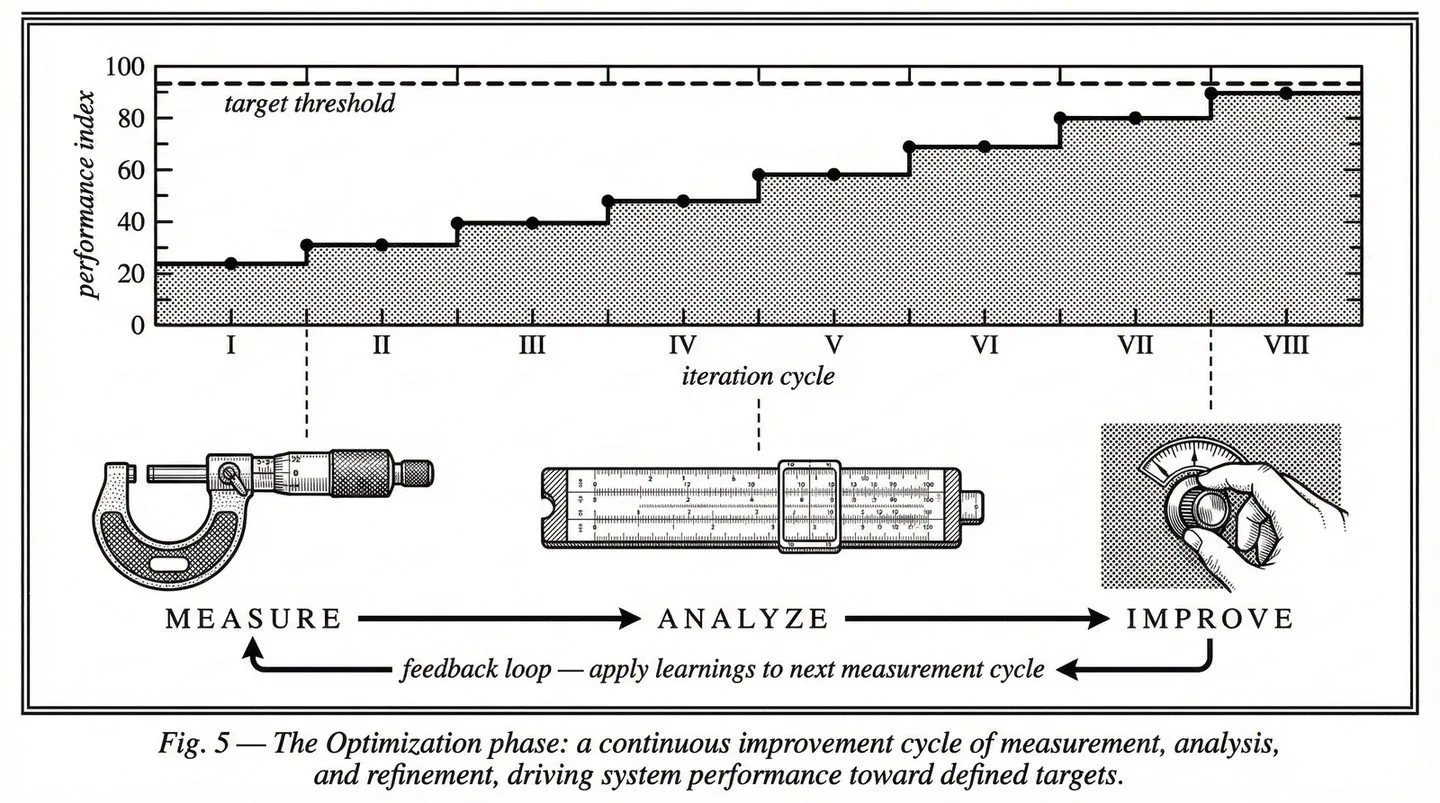
Engineering is not the problem. Availability is.
Start with a Full Build
The work is approved. Full Build puts a senior team on it: strategy, engineering, and design working together from day one, shipping working software every two weeks.
Working software every sprint
Two-week sprints. Every one ends with software you can review and test.
Built for production
Architecture, infrastructure, integrations, security, QA, and deployment. Not a prototype.
Documented to hand back
Architecture diagrams, API docs, runbooks, and structured knowledge transfer to your team.
Yours to keep
You own 100% of the code, the documentation, and the IP.
Three to twelve months, starting with Sprint 0: the architecture, the infrastructure, and the first delivery plan. When it’s done, it comes back to your team, or we keep going with you.
If the initiative still needs defining, start with a Blueprint: a build-ready plan in one to four weeks.
Not sure which fits? Call us to talk it over.
Work like this

Questions buyers ask
How do we bring in an outside development team without creating rework for our engineers?
Rework happens when two teams end up building two versions of the product. We work inside your stack, your Jira and your review process, and we agree the integration points and release date with your engineers before we build. Your engineers review our code, so any mismatch shows up in week one, not at handoff.
How we work with your team →Who owns the code when an outside firm builds part of our roadmap?
You own all of it: the code, the documentation and the IP, in your own repositories. What matters is whether your team can run it after we leave. A Full Build ends with architecture diagrams, API docs, runbooks and structured handoff sessions with your engineers. After that you decide whether it comes back to your team or we keep going with you.
What a Full Build hands back →How much of my team’s time will an outside engineering team need?
It takes less engineering time than most buyers expect and more subject-matter time. Our senior lead runs the discovery and organizes the work, so your engineers mostly review code. The one thing we can’t replace is the person who knows your business rules. That person has to stay involved and make the calls.
How discovery works →How fast can an outside team start shipping an approved roadmap item?
Sprint 0 sets the architecture, infrastructure and delivery plan, and every two-week sprint after that ends with working software you can test. The ship date usually depends on when your team can integrate and release the work, so we plan backward from that date. If the item still needs defining, a Blueprint makes it build-ready in one to four weeks.
Start with a Blueprint →Tell us what is on the roadmap
Thirty minutes. Walk us through what has been approved and what is in the way, and we will tell you what we think is hard about it.
Five other problems we solve
01 · New Product
“We have a product opportunity, but not the team to build it.”
Explore New Product →
03 · Platform Modernization
“Our business has outgrown our platform.”
Explore Platform Modernization →
04 · Cost of Operations
“We need to do more work at a lower cost.”
Explore Cost of Operations →
05 · Product Competitiveness
“We’re losing customers and deals we should be winning.”
Explore Product Competitiveness →
06 · Innovation / R&D
“How do we build what’s next while delivering what matters now?”
Explore Innovation & R&D →
Or start from all six.