
“We need to do more work at a lower cost.”
Where can software, AI, agents, and better-connected systems take work out of the operating model rather than simply make people a little faster?
AI does the routine work.
Talk it over






You grew. Your margin did not.
A trained person reads a case, makes a call, types it in. Multiply that by the month and the only lever left is another hire.
How this problem shows up
- Revenue grows and headcount grows with it.
- Every new client, account, or location creates another staffing requirement.
- Trained employees spend large portions of the day on repetitive review, data entry, routing, or documentation.
- The same work is handled differently depending on who gets it.
- Automation tools make individual tasks faster but do not change the operating model.
- Experienced staff spend too much time on routine work instead of judgment-heavy exceptions.
- Hiring and training have become part of the cost of every new unit of growth.
- Cost per transaction, case, order, or customer
- Labor hours per unit of work
- Throughput and cycle time
- Error and rework rates
- Headcount required to support growth
- Gross margin
- SLA performance
- Ability to scale without adding equivalent labor
- Compliance and operational risk
The goal is not to make every employee a little faster. It is to change what the work costs, how much of it people have to do, and how much growth the existing operating model can absorb.
“We’re doing this all manually. It’s not scalable. It’s all human capital.”
Growth officer, care-navigation company
Put AI in the work, not on the desktop
A license makes one person faster. Building it into the process is what changes what the process costs.
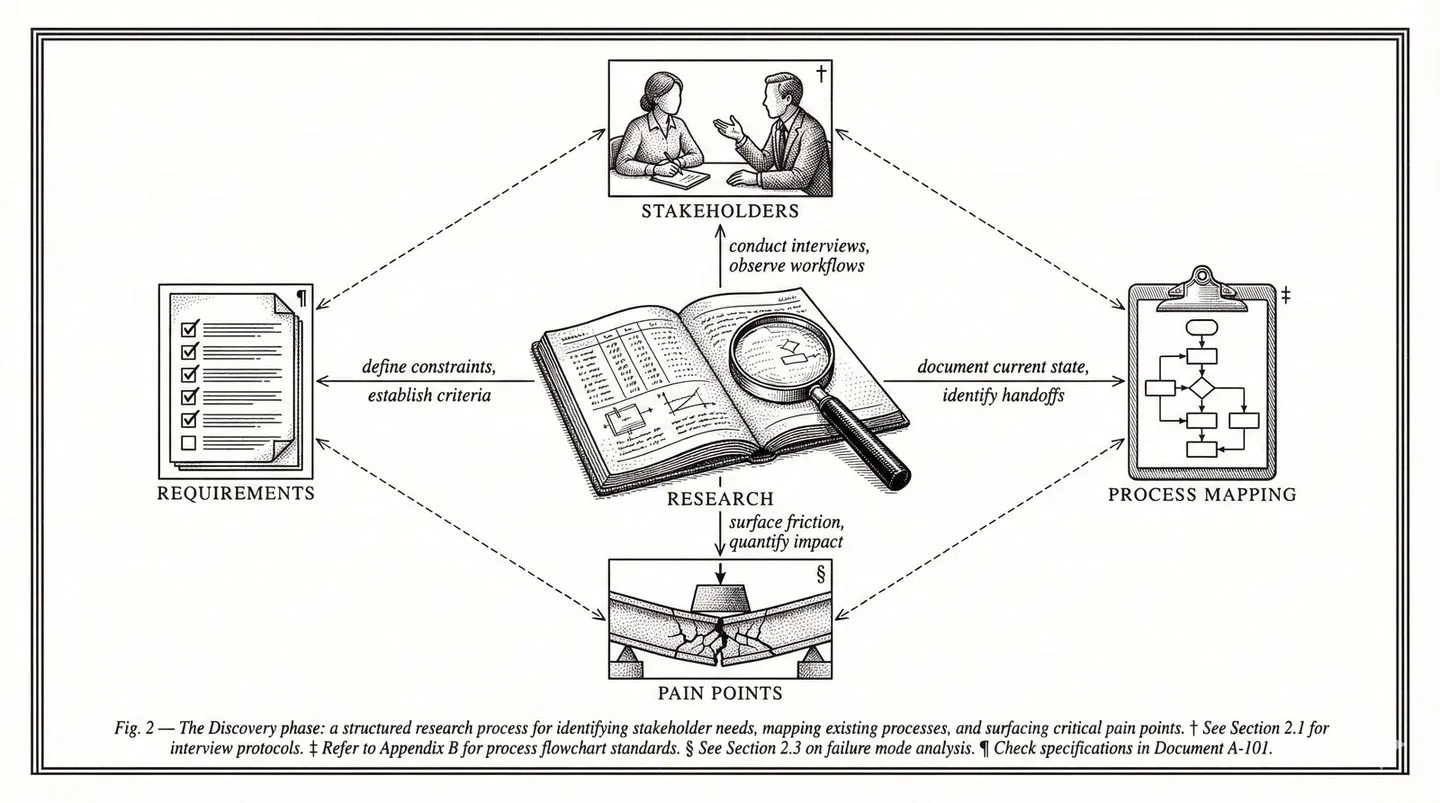
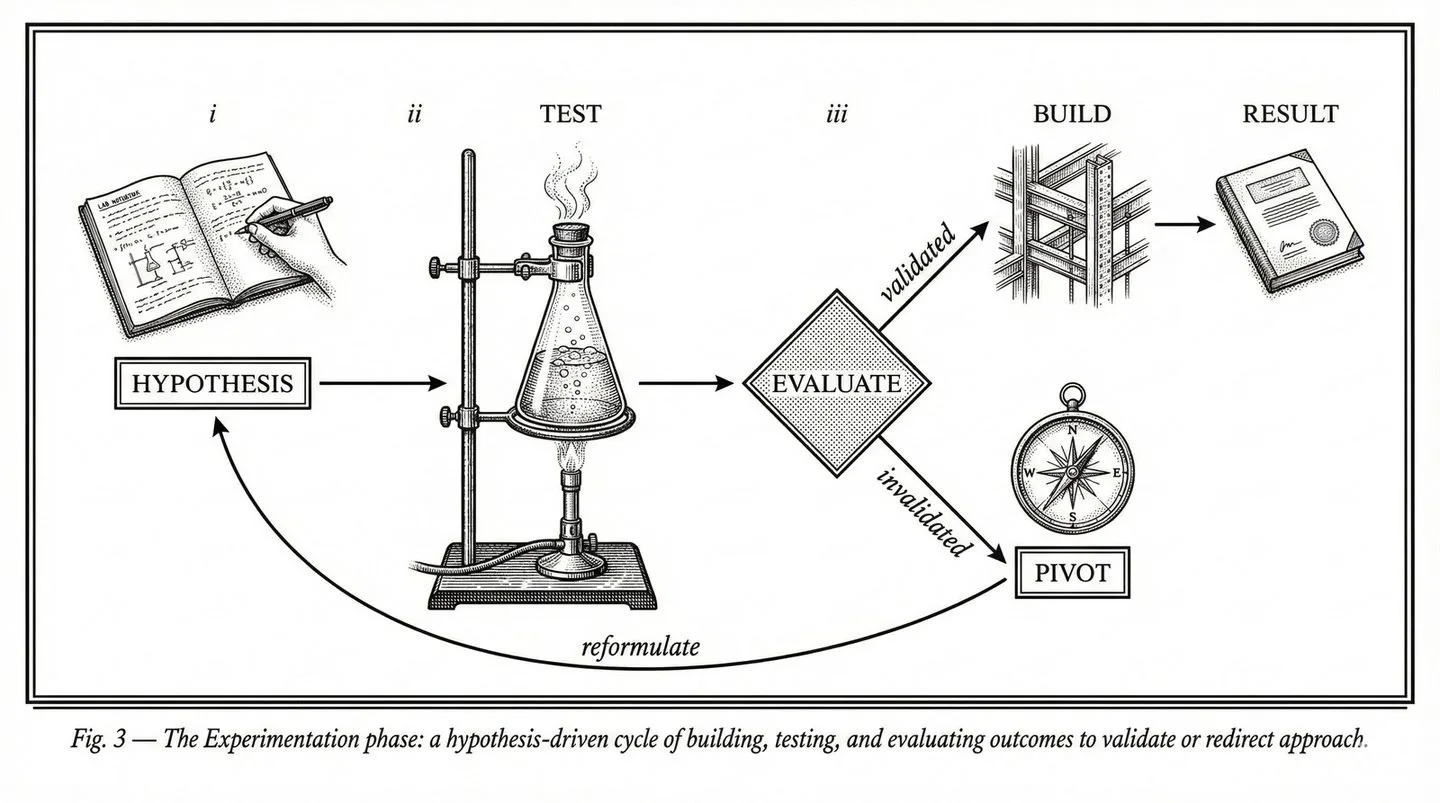
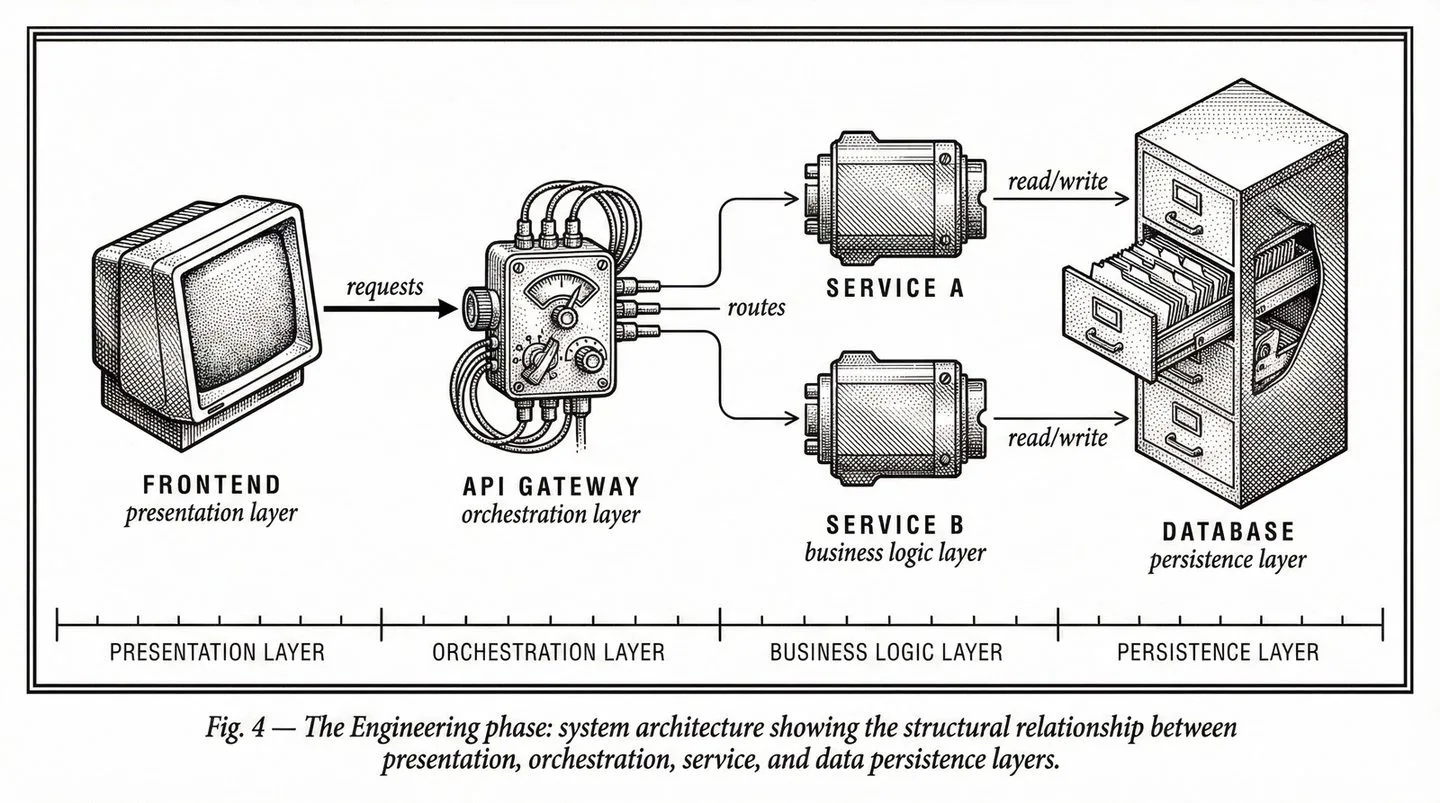
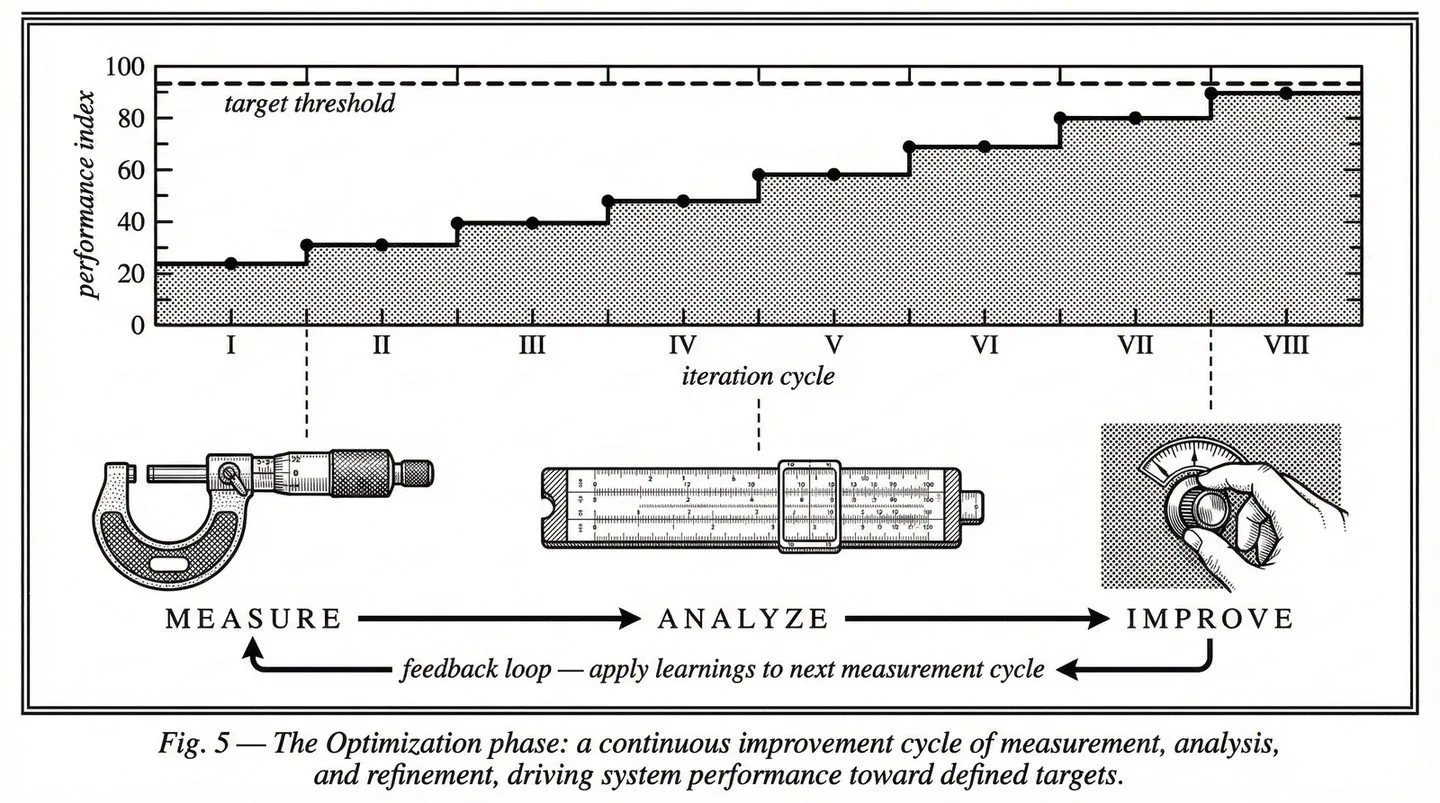
Nobody pays for efficiency that doesn’t save real money. The value is often in the risk you remove: the audit you’d fail, the fine you’d pay.
Start with Forward Deployed Engineering
AI pilots don’t create value until they fit the way people actually work. Forward Deployed Engineering puts senior engineers in your operation until one workflow runs in production.
It starts with the workflow
A two to four week look at the data, systems, business rules, and people the work depends on.
A pilot in production
An eight to twelve week pilot on real records, with human review and a measured result.
Any model
Claude, GPT, Gemini, or open source, whatever fits your security and economics.
Yours from day one
The code, the integrations, the documentation, and the measurement framework.
An implementation service, not consulting and not staff augmentation. The team owns the outcome until the workflow earns trust on the floor.
If you don’t yet know which workflow to start with, an Assessment ranks them by impact and builds the business case first.
Not sure which fits? Call us to talk it over.

Questions buyers ask
How do I prove the ROI of AI automation to my CFO?
Stop counting hours saved. A CFO hears freed-up time as soft savings, because people fill it with other work. Before you start, name a number the business already tracks: cost per case, revenue you fail to capture, fines and audit exposure, or growth absorbed without a hire. Write down the baseline, then measure the pilot against it.
How an Assessment builds the ROI case →Which business process should we automate with AI first?
Not the biggest one. Pick work your people spend real hours on today, where doing it faster moves money or risk, where a wrong answer is only a recommendation a person overrides, and that starts from one or two inputs. Skip anything that needs five systems on day one. Then prove it on your own records before you fund the build.
Prove it on your data in five days →Should we buy software or build a custom AI workflow to cut operating costs?
Run any product against your exact workflow, not its demo; that is where most fall apart. Licenses are the line item that only grows, and you pay for features you never use. Building means owning code and models that need updating. Build where the workflow is specific to how you run and the return covers ownership. Buy the rest.
What you own with Forward Deployed Engineering →Does automating operations with AI mean cutting staff?
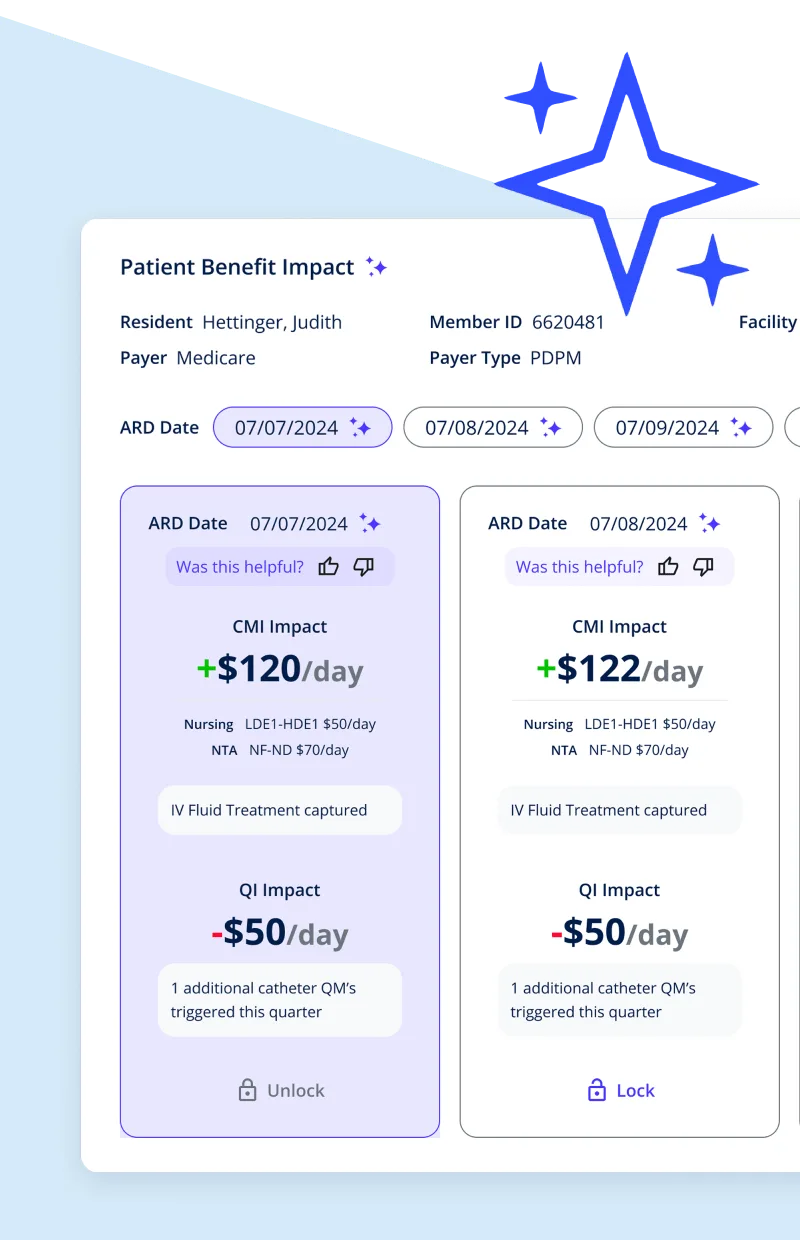
Only if you choose that. Most growing operators have more work than people, so the better measure is how much volume the current team absorbs before the next hire. AI takes the reading, re-keying and rule checks. A person stays on every decision and handles the exceptions. What you do with the freed capacity is a leadership call.
See the skilled nursing case study →Tell us which job keeps costing you a hire
Thirty minutes. Walk us through the work and who does it, and we will tell you whether it can be encoded and what that takes.
Five other problems we solve
01 · New Product
“We have a product opportunity, but not the team to build it.”
Explore New Product →
02 · Roadmap Capacity
“Our roadmap is committed. Our team is full.”
Explore Roadmap Capacity →
03 · Platform Modernization
“Our business has outgrown our platform.”
Explore Platform Modernization →
05 · Product Competitiveness
“We’re losing customers and deals we should be winning.”
Explore Product Competitiveness →
06 · Innovation / R&D
“How do we build what’s next while delivering what matters now?”
Explore Innovation & R&D →
Or start from all six.