
IoT Application Development Services
Nobody calls us saying “I need IoT.” They say “I need my fleet tracked,” “I need patients monitored remotely,” or “I need deliveries secured.” We build the ecosystems that make it work, device to cloud, digital to physical.
Start a Conversation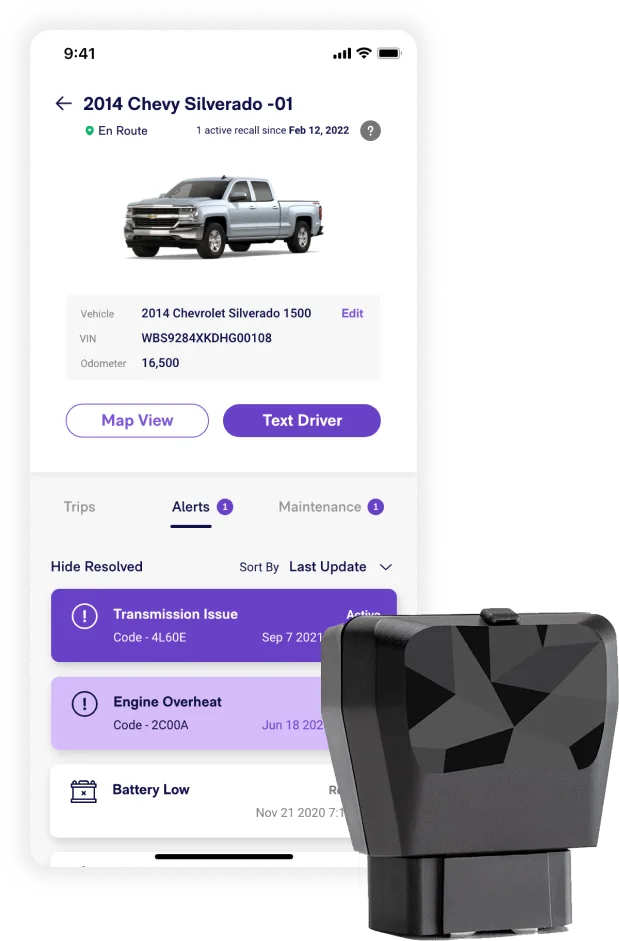
Kayo, Cox 2M fleet management. OBD-II device + mobile app + cloud dashboard.
Connected Products Shipped
Building Connected Products Since
Avg Engineer Experience
Industries: Healthcare, Logistics, Consumer, Industrial
Every engagement follows our method: Discover → Experiment → Engineer → Optimize
Real Problems, Real Ecosystems
IoT is a B2B term. What we actually build are ecosystems that function across digital and the real world, devices on data networks, mobile apps in the field, cloud infrastructure that ties it all together. Here’s what that looks like in practice.
“Track 200 vehicles from a tablet.”
Kayo (Cox 2M), OBD-II sensors in every vehicle, Bluetooth connectivity, mobile app for fleet managers, cloud dashboard with real-time GPS, driver behavior, and vehicle health. Launched on iOS, Android, and Amazon in 6 months.
View case study →“Monitor 26,000 patients remotely.”
NeverAlone, Tablets at the bedside, sensors for vital signs, a virtual care command center, and EHR integration. Now serving 26,000+ patients across 130+ facilities in 7 states. Built from scratch.
View case study →“Capture vital signs at the bedside.”
Guardian, A converter device streams real-time vital signs from OR monitors to a native iOS app via Bluetooth. Surgeons and anesthesiologists see heart rate, SpO2, and blood pressure without looking up from the patient.
View case study →“Measure a rail car in the field.”
Leica Geosystems Safeload, Total Station survey hardware paired over Bluetooth to a field app rebuilt for iOS, Android and Windows. Twenty years of compliance preserved, addressable market expanded.
View case study →Most Teams Build One Layer. We Build the Ecosystem.
Connected products fail when the device team, the app team, and the cloud team don’t talk to each other. We’re one team across all layers, so your Bluetooth pairing, your mobile dashboard, and your cloud data pipeline all work together from day one.
Device Integration
Bluetooth LE, OBD-II ports, proprietary protocols, medical sensors. We handle device discovery, pairing, connection management, and the firmware communication layer that makes hardware useful.
Mobile Companion Apps
Setup wizards, real-time data display, push notifications, offline mode. iOS and Android, React Native when one codebase fits, native Swift/Kotlin when hardware demands it.
Cloud Infrastructure
Data ingestion, real-time dashboards, alerts, fleet analytics. AWS IoT Core, Lambda, DynamoDB. Multi-tenant architectures for SaaS IoT platforms.
Discover → Experiment → Engineer → Optimize
Every connected product engagement follows the same method. The difference is what each phase means when hardware is involved.
Understand the Physical Environment
What devices are in the field? What’s the connectivity like? What breaks when the network drops? We map the physical environment, device constraints, and connectivity challenges before designing anything.
Device assessment · Connectivity mapping · Regulatory landscape
Prototype the Device-to-Cloud Path
Connect the device. Push data through the pipeline. Display it in a dashboard. Test in real conditions, not a lab. Does the Bluetooth pairing work in a parking lot? Does the sensor data survive a dead zone?
Integration POC · Field testing · Real-condition validation
Build the Full Stack with AI Leverage
Senior architects lead the build. AI accelerates code generation, test automation, and cross-platform tooling. Mobile apps, cloud infrastructure, device communication, all built by one team in two-week sprints.
AI-accelerated dev · Sprint delivery · Cross-platform launch
Monitor Device Health in Production
Device health, usage patterns, field reliability, battery life, connectivity success rates. Connected products are never “done”, the data from production tells you what to build next.
Fleet monitoring · Usage analytics · Continuous improvement
Your Devices Generate Data. We Help You Turn It Into a Business.
Connected devices produce enormous volumes of data, sensor readings, usage patterns, location history, environmental conditions. Most of it sits in a database nobody queries. The opportunity is turning that data into products: dashboards, alerts, predictive models, and entirely new business lines.
AI is what makes this possible at scale. Machine learning identifies patterns in sensor data that no human analyst would catch. NLP extracts insights from unstructured field notes. Predictive models turn historical device data into forward-looking intelligence.
We help device companies build data services, new business models, new delivery methods, new revenue streams, on top of the hardware they already have in the field. The device is the platform. The data is the product.
New Business Models
Subscription data services, usage-based pricing, predictive maintenance contracts. We help you define the model and build the platform to deliver it.
AI on Sensor Data
Anomaly detection, predictive analytics, pattern recognition. AI makes sense of data at volumes no team can analyze manually.
Real-Time Dashboards & Alerts
Operational intelligence from device data, not reports from last month, but what’s happening right now and what’s about to happen next.
Data Product Development
Turn raw device data into a product your customers will pay for. We handle the architecture, the UX, and the business model.
Connected Ecosystems Across Industries
The problems are different. The pattern is the same: a device in the real world, a person who needs the data, and a cloud that connects them.
Healthcare
Remote patient monitoring, vital signs at the bedside, medication adherence. Connected devices in operating rooms, skilled nursing facilities, and home care. HIPAA from day one.
NeverAlone, 26K patients, remote monitoring
Guardian, OR vital signs, real-time BLE
Logistics & Fleet
Vehicle tracking, OBD-II integration, field inspections, driver behavior analytics. Real-time fleet dashboards for managers who need to see what’s happening across hundreds of assets.
Kayo, OBD-II fleet tracking, 3 platforms
Star Leasing, Field inspections, offline-capable
Connected Products in Production
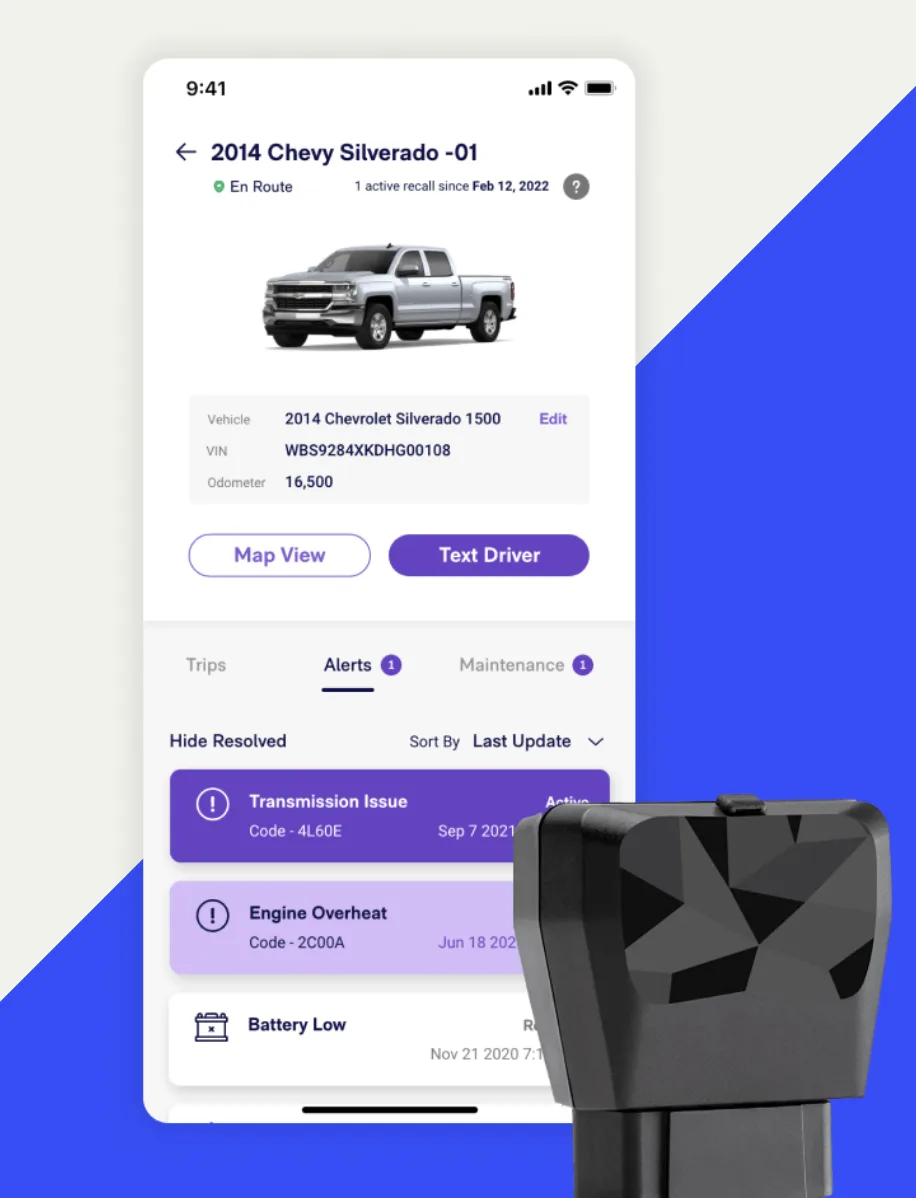
Fleet · OBD-II
Kayo / Cox 2M
OBD-II fleet tracking. Device + mobile app + cloud dashboard. 3 platforms in 6 months.
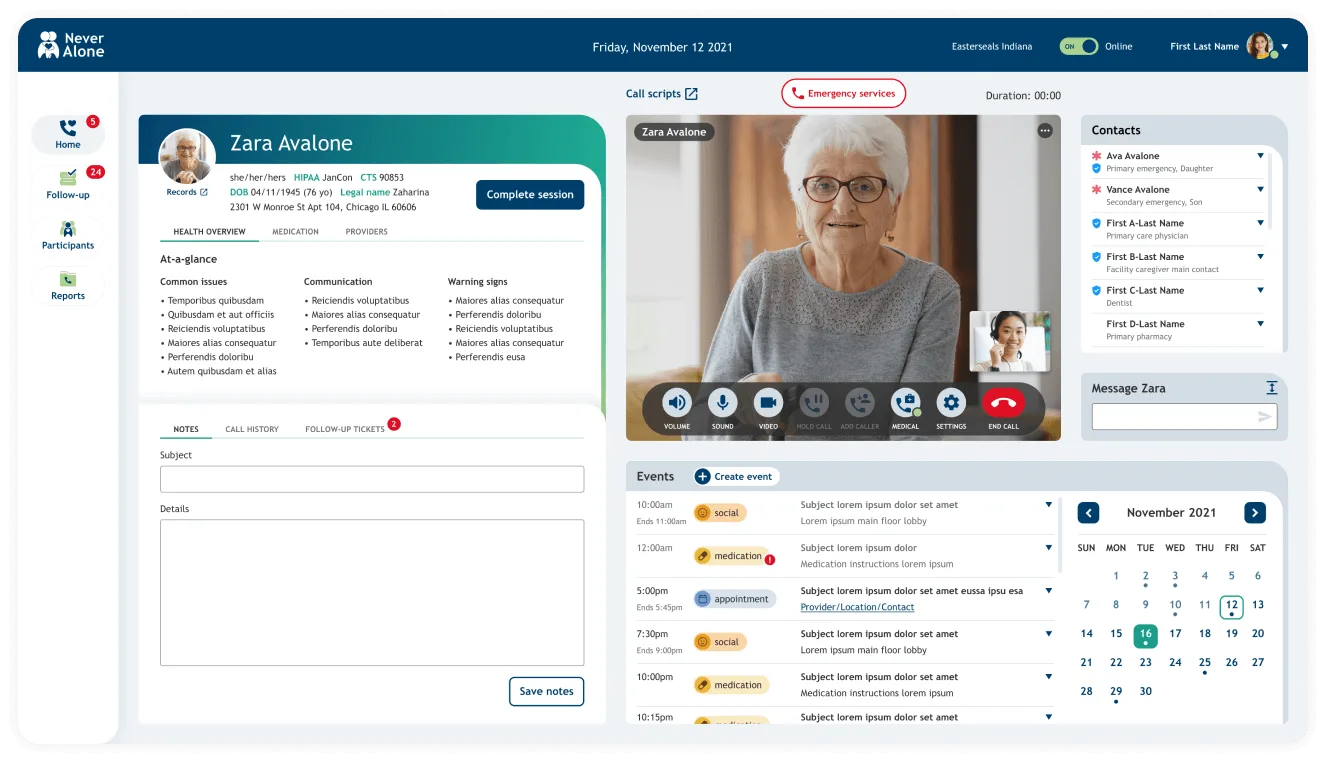
Healthcare · RPM
NeverAlone
Remote patient monitoring. Tablet + sensors + virtual care platform. 26K patients, 7 states.
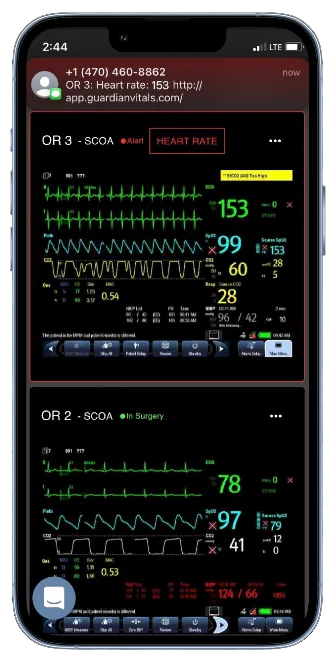
Healthcare · Vital Signs
Guardian
Converter device + native iOS app. Real-time vital signs from OR monitors via Bluetooth.
Where to Start, and Where to Go Next
Mobile App Development
Every connected product needs a mobile companion. We build for iOS, Android, and cross-platform, with deep hardware integration when the device demands it.
Learn more →Blueprint
Define the plan before you build. Map your device integration, connectivity requirements, mobile architecture, and cloud infrastructure in 1-4 weeks.
Learn more →How We Engineer
Senior architects, AI-accelerated delivery, 170+ combined years. How we build production software that works in the real world.
Learn more →Minimum Viable Product
Get your connected product into real users’ hands. Bluetooth pairing, field setup, real-world conditions, not a lab demo. 4-16 weeks.
Learn more →IoT Application Development FAQ
Start a Conversation
Tell us about the problem you’re solving in the real world. We’ll help you figure out what the connected ecosystem looks like, and what it takes to build it.
Since 2007 · 8+ connected products · Device to cloud, one team