Losing winnable deals

“We make the short list. We keep losing the deal.
Nobody can tell us why.”

How do we stop losing demos?

The product wins the evaluation. The experience loses the deal.

Find where the demo is losing buyers


FIG. 4  —  THE SHORT LIST THE EVALUATION THE DECISION 1Competitor2You. Best on the evaluation.3Competitor WON Not you. You made the list. They made the sale. And nobody can tell you which screen lost it. GOOD ENOUGH TO CONSIDER, NEVER TO WIN Expand
200 → 6
Screens to steps, in a payroll platform buyers could not get through
500+
Screens rebuilt across an enterprise insurance platform
5 months
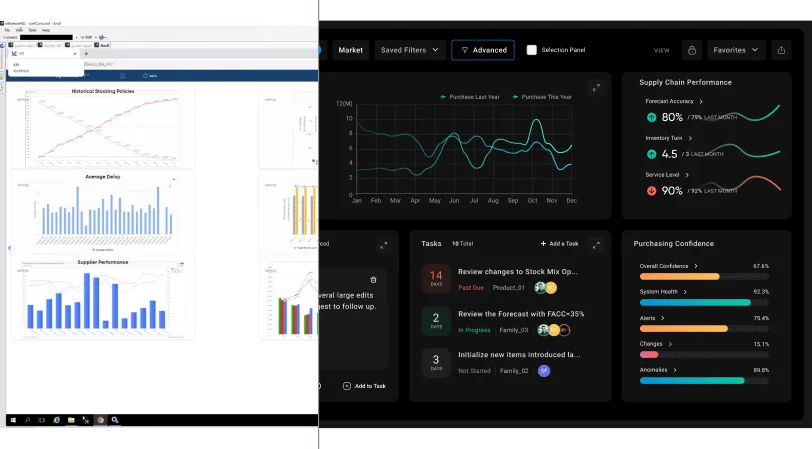
To redesign a supply chain platform that was first in class and still losing
McKesson
Intuit Mailchimp
Cox 2M
Scientific Games
Office Depot
NAPA
CommuniCare
Three ways you got here

Good enough to be considered, every time. Never good enough to win.

It costs you three ways at once: lost deals, support load, and churn. Usually only the lost deals get talked about. And sometimes you did not even build the thing that is losing. You inherited it.

You win the evaluation and lose the deal

Your engine scores best on the technical review.
The competitor demos better and takes it.
Sales cannot run the demo without a specialist in the room.
Nobody in the loss review says the word interface.

Buyers cannot see the value you know is there

The good part is four clicks deep.
Onboarding a customer takes weeks and a human.
Support volume tracks the workflow, not the bug count.
Your best feature is the one nobody finds.

You are carrying three products from three acquisitions

Each one looks like a different company.
Buyers see whichever is worst.
Every integration promise takes another quarter.
There is no single thing to demo.

You inherited a platform that is not working

The firm that built it is gone, or going.
Nobody left can explain why it works the way it does.
The documentation is the code.
You need someone to say honestly what is worth keeping.
Why now and not next year

Every quarter you wait is a renewal cycle

This is the only one of the five where the cost arrives on someone else's calendar: your buyers'.

The losses compound into a reputation

Buyers talk. Once the market decides your software is hard, the evaluation gets shorter each year.

The engine advantage is closing

Whatever your model or algorithm does better, the gap narrows. Interface advantage does not close by itself.

Your best sellers leave first

People who lose winnable deals go somewhere they can win. That cost never appears in the redesign business case.

Your team knows the product too well to see where it loses a stranger. That familiarity makes the problem unusually hard to diagnose from inside the product team.

Proof

Three platforms that were better and were losing anyway

Supply chain, payroll, insurance. Enterprise software where the technology was never in question.


The ask
Their ML-powered SO99+ was first in class for predictions. Competitors were winning on the software alone.
What we found
The engine outperformed the interface, so buyers could not see the advantage in the room.
What we built
The whole experience redesigned, in five months.
5 mo
End to end
1st
In class on prediction, before and after

Read the case study →

Their own headline
Stop losing demos. Their words on the case study, not ours.
The engine was never the problem. Which is exactly why nobody internally could name it.
Competing on experience. Even where rivals were behind on accuracy.
What changed
Fewer screens is not the point. Finishing the job is.
Demos got shorter. And a shorter demo is a demo sales can run alone.
Support followed. Workflow volume falls when the workflow makes sense.
The ask
A payroll platform where a core task ran across two hundred screens.
What we found
Research, information architecture, and the workflow buyers actually needed to complete.
What we built
The same task in six steps.
200 → 6
Screens to steps
1
Platform, rebuilt around the job

Read the case study →

The ask
An enterprise insurance platform carrying more than five hundred screens.
What we found
Underwriters and agents working around the software rather than through it.
What we built
A modernized interface across the estate, without losing the depth the product is bought for.
500+
Screens modernized
2
Audiences, underwriters and agents

Read the case study →

The hard constraint
Depth is the product. Simplifying by removing capability would have lost the deal differently.
Regulated workflows. The steps exist for a reason and cannot simply go.
Migration, not rewrite. An installed base cannot be asked to relearn everything at once.
How we work

Ask the buyers who chose someone else

Not sales, whose explanation has to protect them. Not your customers, who already bought. The people who saw both demos and picked the other one.
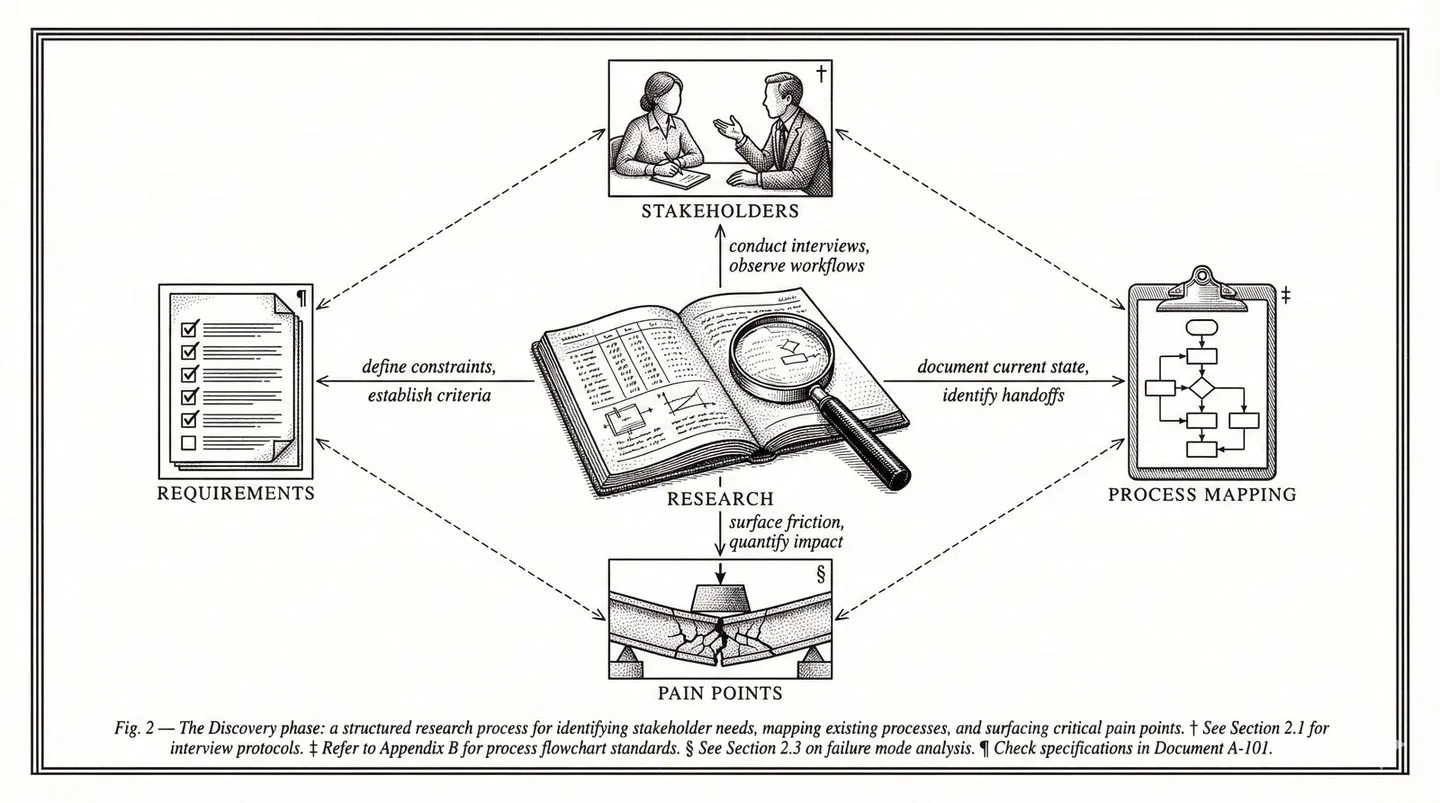
Discover phase
Discover

The lost deals, the demo itself, and a heuristic pass on where the product breaks what a buyer expects.

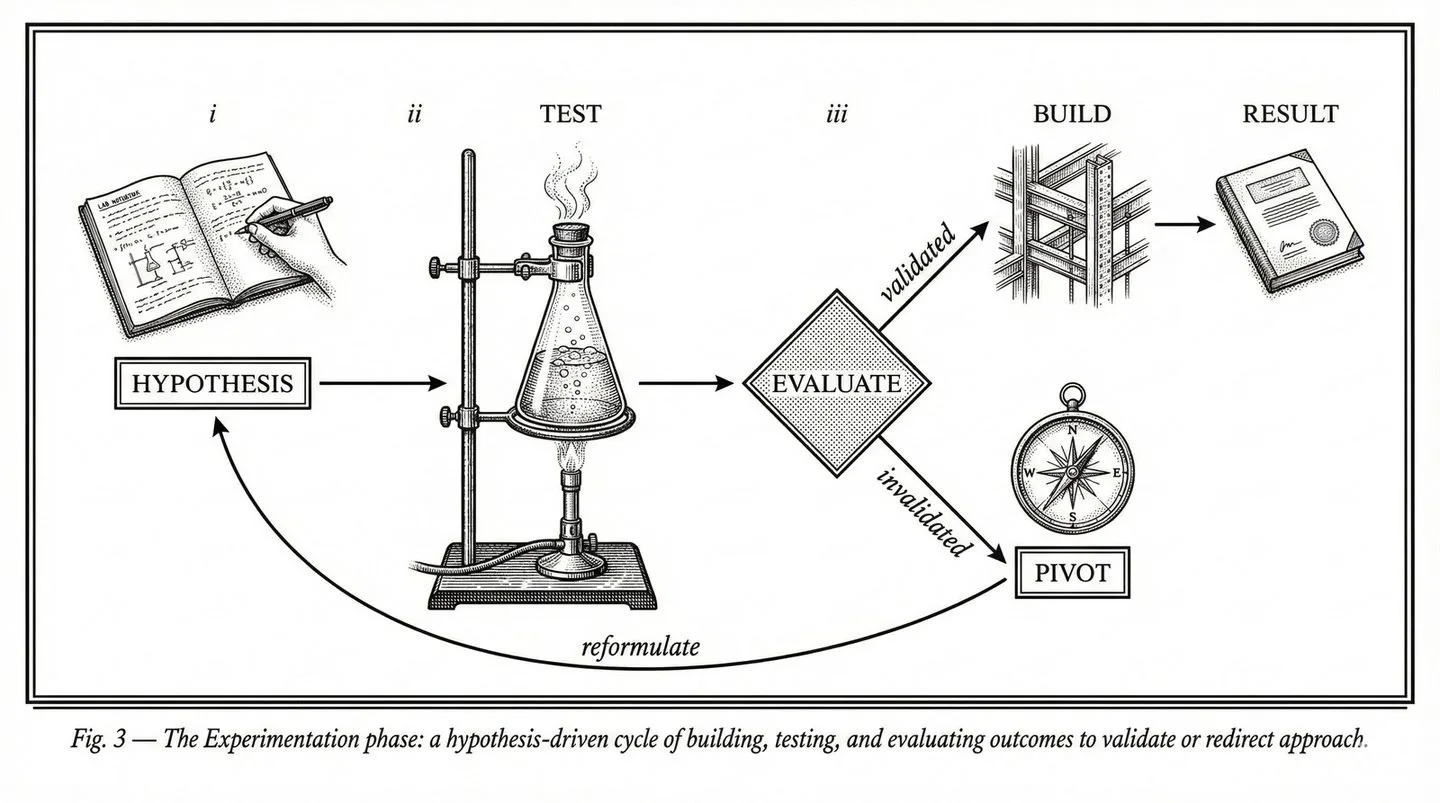
Experiment phase
Experiment

The riskiest assumption about why you are losing gets tested before anything is redesigned.

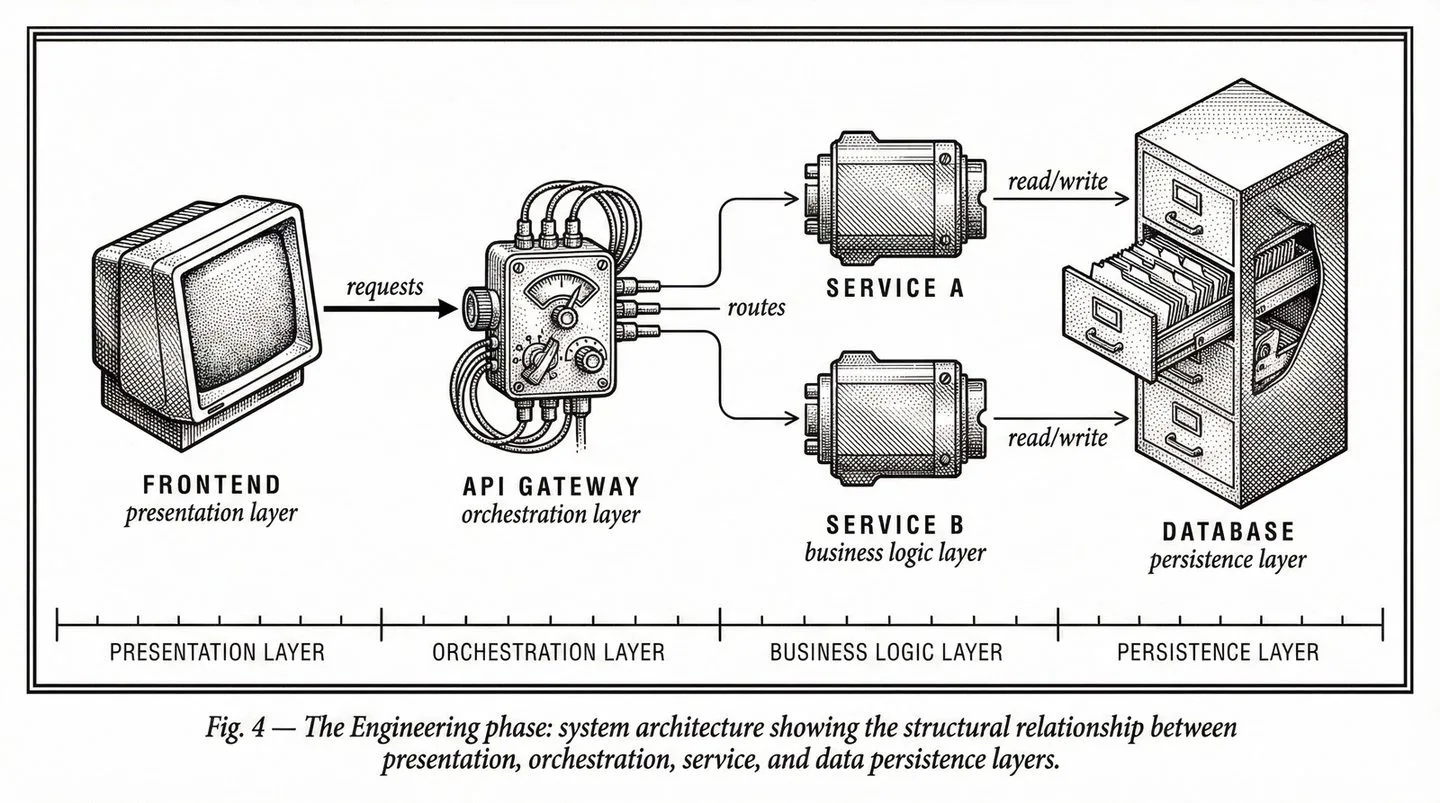
Engineer phase
Engineer

Rebuilt around the job the buyer is trying to finish, not the screens that exist today.

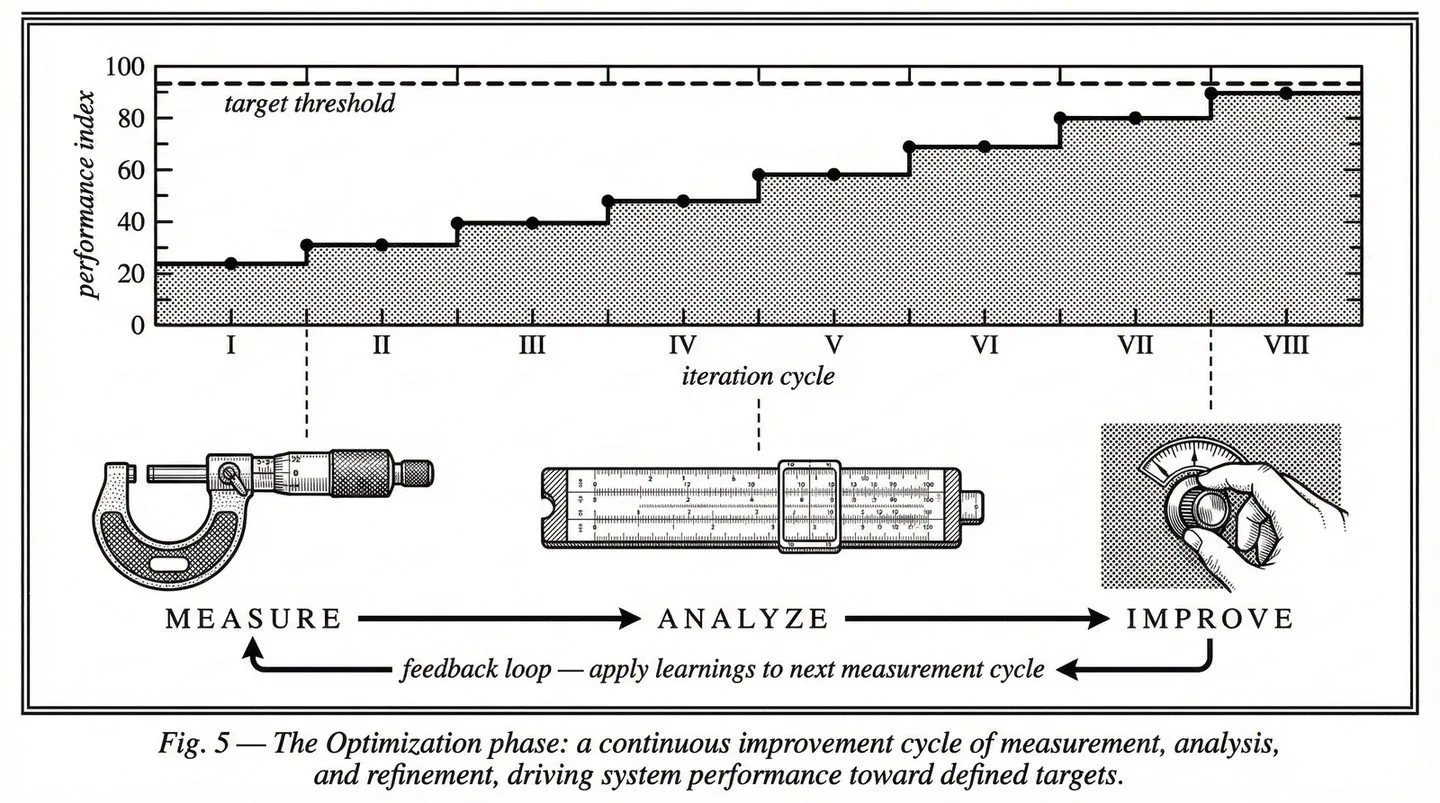
Optimize phase
Optimize

Watched in the demo and in onboarding, because that is where this either worked or did not.

The full method →

We are not an argument against your own team. We are how the work moves while they stay on what only they can do, and handing it back was always the plan rather than the concession.

The code, the intellectual property and the roadmap are yours. That is in the contract, not the pitch.

What it looks like

Start with a conversation, then a small piece of work

You do not need a redesign program to find out why you are losing. You need the answer first.

1–3 weeks

Loss review

The buyers who chose someone else, and a heuristic pass on the demo.

4–6 weeks

Concept and validate

A direction tested with real buyers before it becomes a roadmap.

3–6 months

Rebuild the path

The journey buyers are actually evaluated on, first.

Ongoing

Extend it

The rest of the estate, on the pattern the first release proved.

Tell us about the last deal you should have won

Thirty minutes. Walk us through the bake-off and what you think happened, and we will tell you where we would look first.

An architect takes the call, not a salesperson.
We will tell you honestly whether we can help.
And roughly what it would take.
Swipe to see the whole drawing