“Every time we grow, we add another FTE.”
How do we do more without hiring more?
By clients, by volume, or by locations. Same result either way.
Find the workflow worth automating






You grew. Your margin did not.
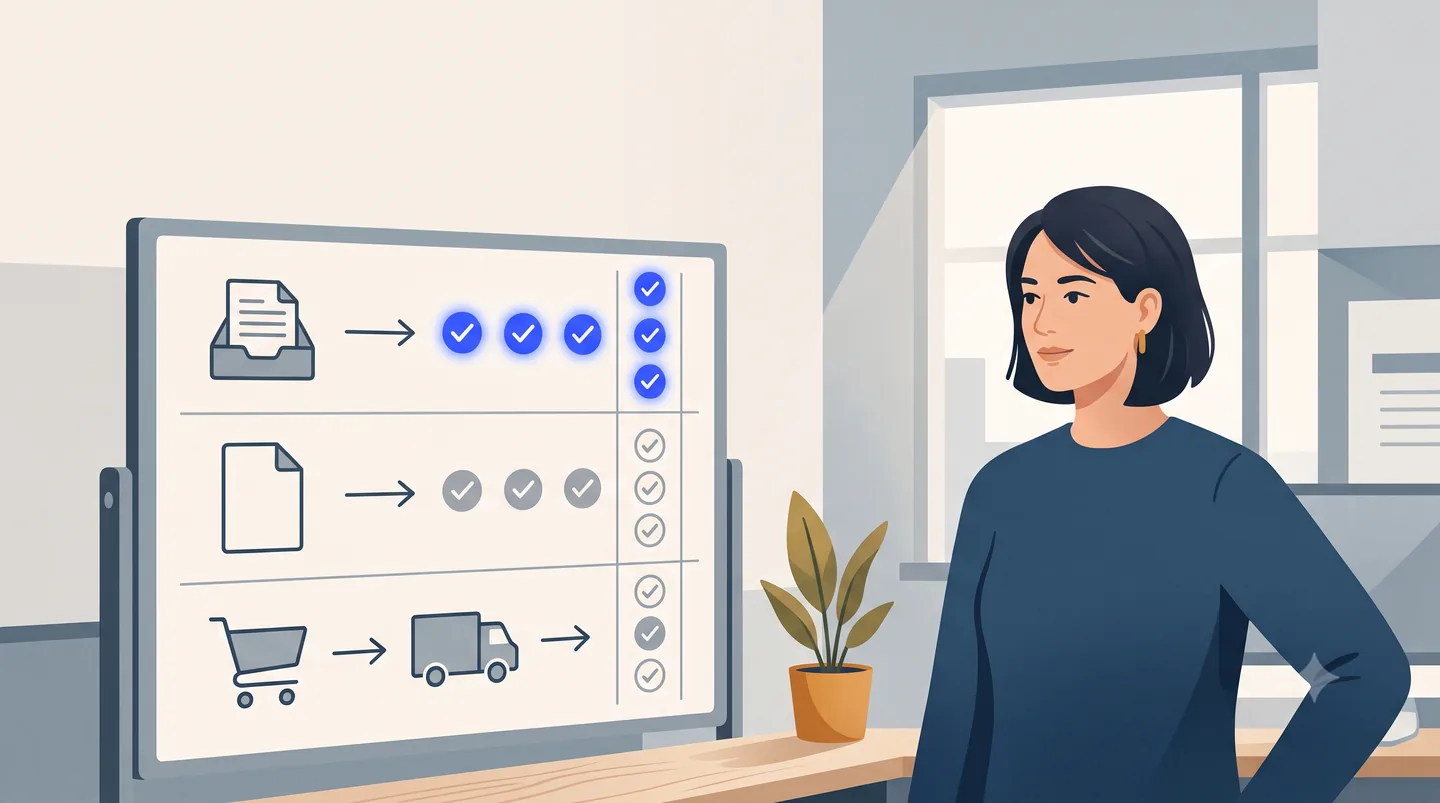
A trained person reads a case, makes a call, types it in. Multiply that by the month and the only lever left is another hire.
Every new client arrives with a req attached
You bought the licenses. The headcount did not move.
Nobody sells the thing you actually need
Wait a quarter, hire again
Most problems wait on a budget cycle. This one moves every payroll.
You cannot unhire
A project ends. A salary does not. Every req you approve this quarter you are still paying for in 2029.
It gets worse as you grow
Twenty people doing the same job produce twenty versions of it. Add training and coordination and each one costs more than the last.
The knowledge walks out
Nobody wrote down how the tricky cases get handled. When they leave, you pay to learn it again.
The real question is simple: can the call your best person makes be taught to a system? You can find that out in weeks, on your own records, before committing to a build.
One platform, paid for twice, then the pattern outside healthcare
Not licenses. We built the intelligence once, it compressed an hours-long clinical review to about a minute, and the same foundation later went at a second costly coding workflow. Then the same shape, in a different industry.
Put AI in the work, not on the desktop
A license makes one person faster. Building it into the process is what changes what the process costs.
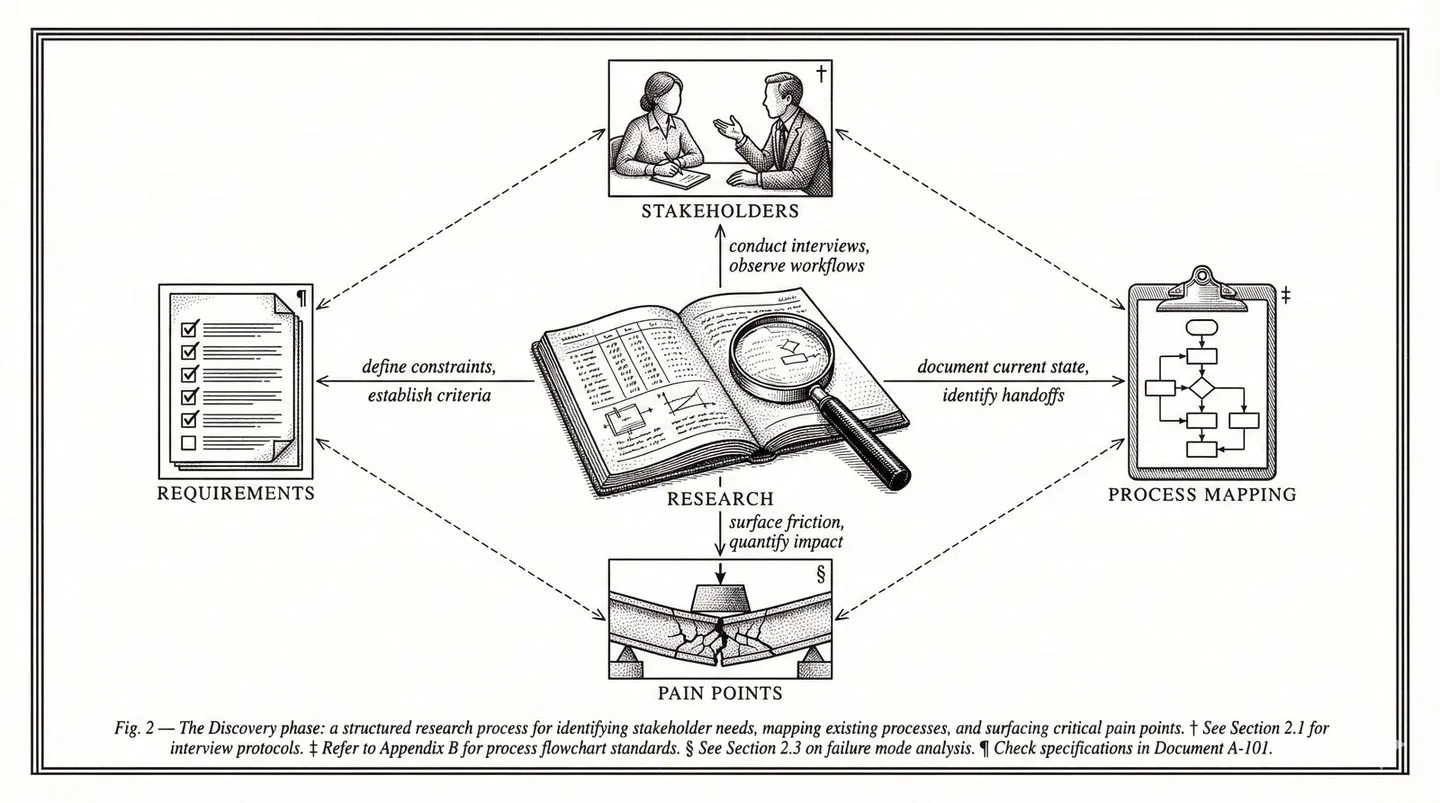
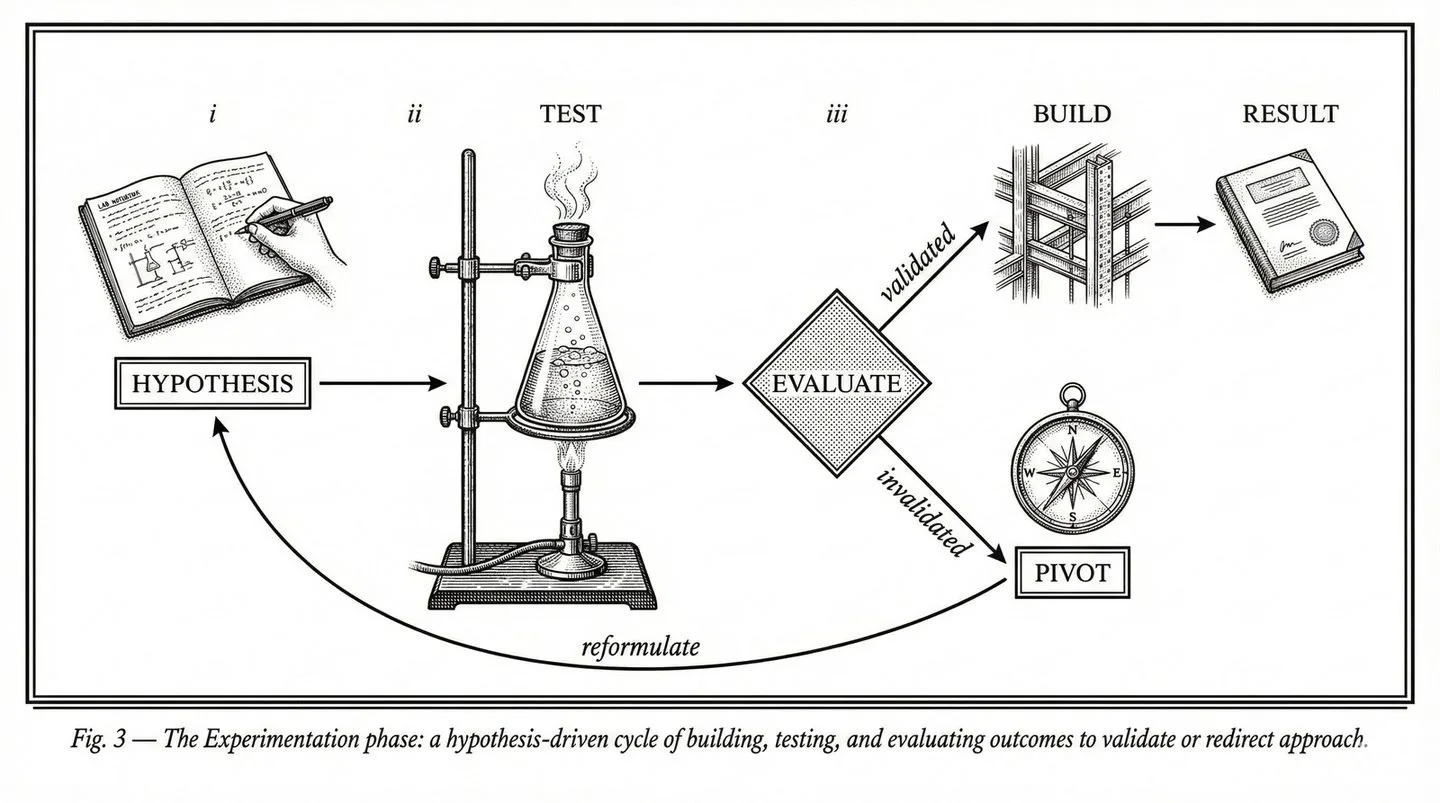
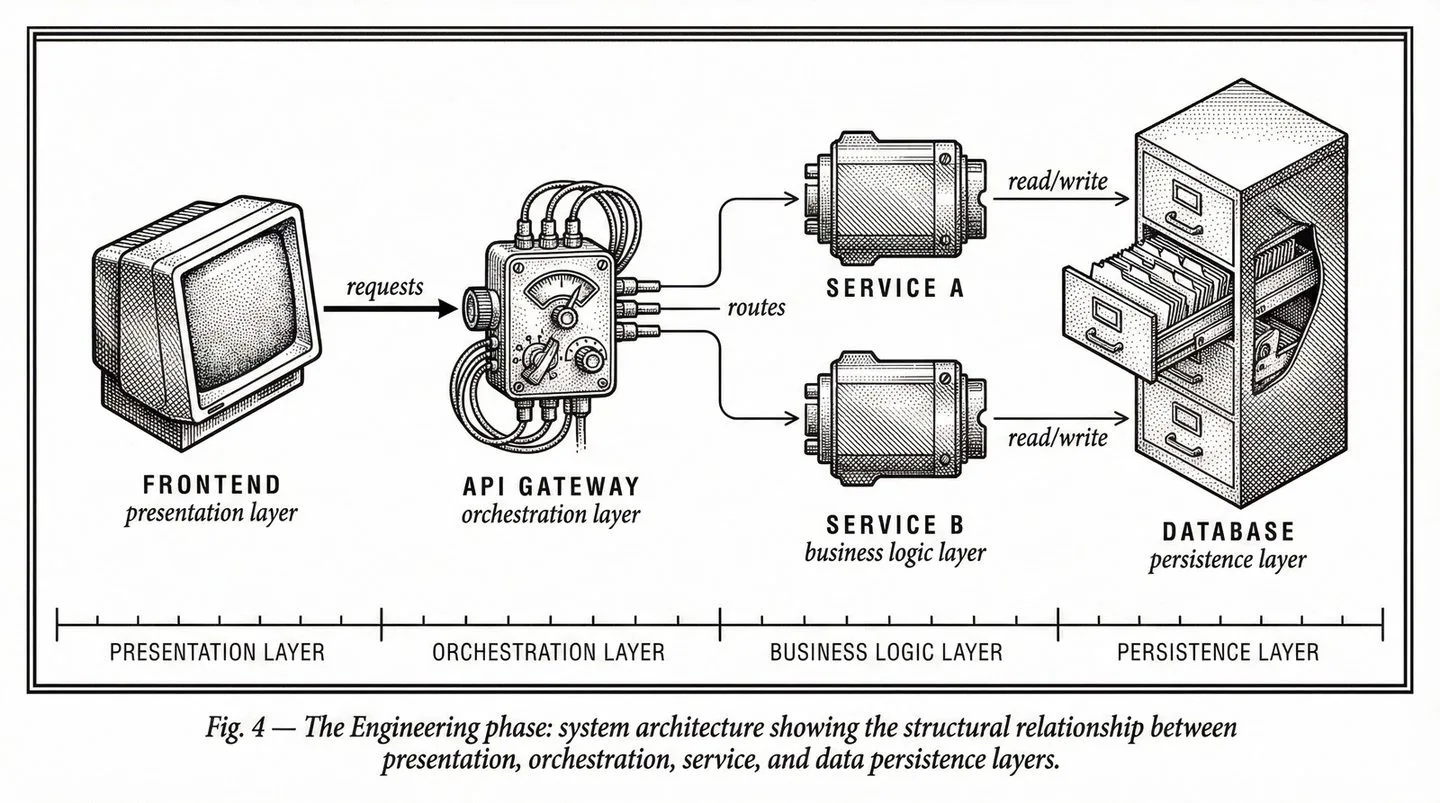
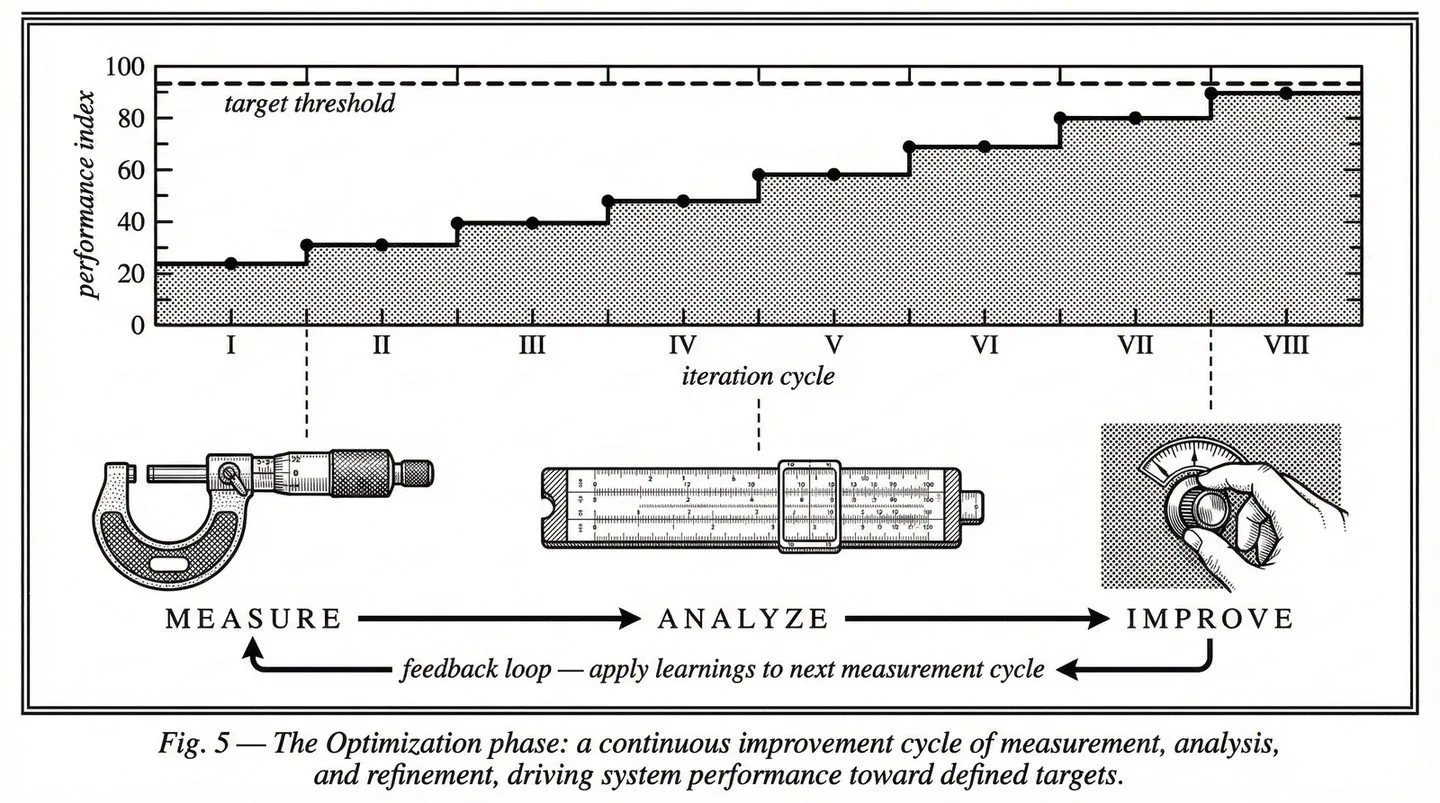
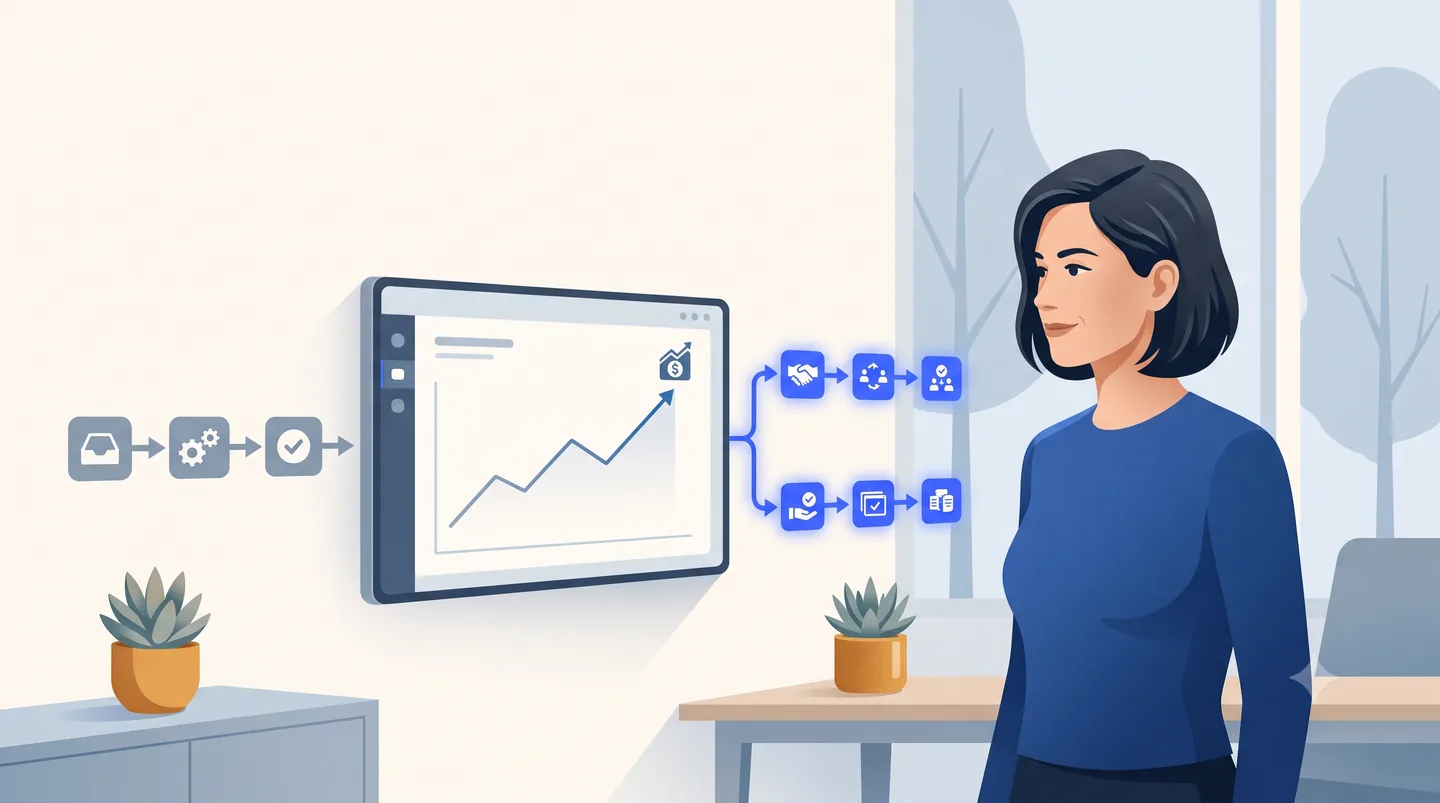
Three things get built here, and all three are yours. The integration, so the system reads your real records instead of an export. The transparency, so people can see what is happening now rather than in next month’s report. And the intelligence, the judgment your best people apply, written down and running. That last one compounds. Every month it runs it is worth more, and it becomes an asset you own rather than another subscription you rent.
What you do with the capacity it frees is your decision, not ours.
The code, the intellectual property and the roadmap are yours. That is in the contract, not the pitch.
Reading for the argument you have to make internally
Start with a conversation, then a small piece of work
You do not need a program. You need one workflow proven, and the arithmetic makes its own case after that.
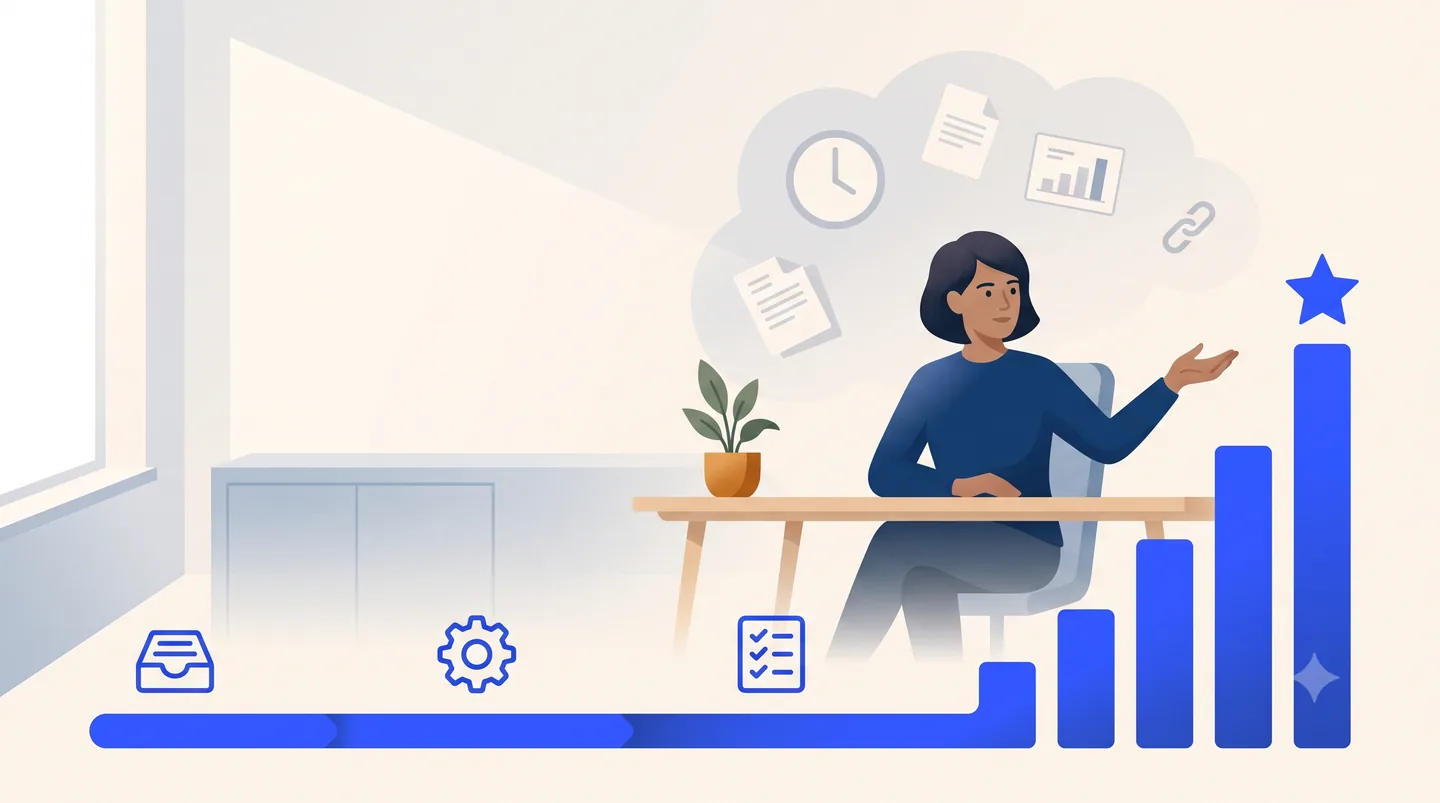
Find the workflow
Which repeated decision costs the most, and whether it can be encoded at all.
Prove the accuracy
On your real records. If it will not hold, we stop here and say so.
Build it in
Into the existing process, with the evidence trail people need to trust it.
Run and monitor
Accuracy watched in production, improved as the rules change.
Tell us which job keeps costing you a hire
Thirty minutes. Walk us through the work and who does it, and we will tell you whether it can be encoded and what that takes.
Four other things we hear
“We finally have our roadmap defined. Leadership signed off. Engineering is booked.”
How do we deliver more this year than engineering can on its own →
“Our AI prototypes work. None of them made it to production.”
How do we actually get to production →
“We make the short list. We keep losing the deal. Nobody can tell us why.”
How do we stop losing demos →
“We pay for every system we run. We own none of them. We still can’t make sense across them.”
Where does our IP actually live →
Or start from all five.